
Bracharoa
Bracharoa
Description
How to identify
Bracharoa is a genus of moths belonging to the Erebidae family, specifically the subfamily Lymantriinae. These insects are known for their defensive larval stages.
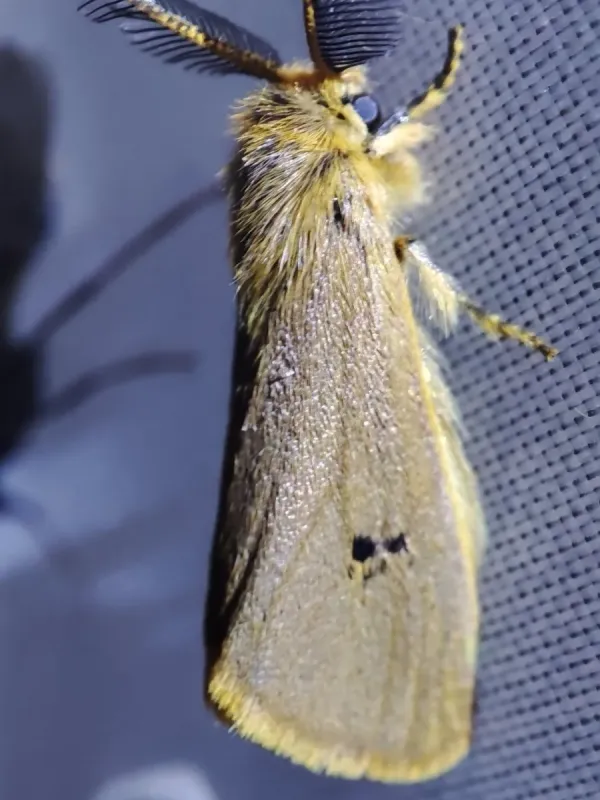
The adult moths typically exhibit cryptic coloration in shades of gray or brown, which serves as a highly effective camouflage against tree bark.
The larvae are characterized by dense hair covering their bodies, which acts as a deterrent against predators and can cause dermatological irritation.
The lifecycle follows a complete metamorphosis: egg, larva, pupa, and adult, with the length of each stage influenced by ambient temperatures.
Depending on the species and environmental conditions, Bracharoa can produce one or more generations annually, impacting its prevalence.
What it damages
Bracharoa larvae are significant defoliators that feed on the foliage of various woody plants, trees, and ornamental shrubs.
Damage occurs primarily during the active growing season, when caterpillars consume leaf tissue, often leading to severe defoliation.
The loss of leaf surface area reduces the plant's capacity for photosynthesis, directly impacting growth and fruit production.
In addition to direct biomass loss, persistent feeding stresses the plant, making it more susceptible to environmental stressors and pathogens.
Severe infestations can lead to stunted branch development and reduced yield, posing a economic threat to nurseries and orchards.
Signs of infestation
One of the first signs of infestation is the accumulation of larval frass on the leaves located directly below the feeding sites.
Visible damage typically manifests as irregular holes in the leaves or skeletonization, where only the leaf veins remain intact.
Groups of larvae may be observed resting on stems or bark during the day, as they are often gregarious in their younger stages.
Presence of webbing or silk trails on the foliage is another indicator, as larvae may use silk to bind leaves together for protection.
Empty pupal cases attached to the underside of leaves or within bark crevices provide clear evidence of the pest's presence in the garden.
Control measures
Biological control using Bacillus thuringiensis (Bt) sprays is highly effective against the larval stages of Bracharoa without harming beneficial insects.
For large-scale infestations, targeted application of contact or systemic insecticides may be necessary during the early larval developmental stages.
Regular scouting of plants is essential for early detection, allowing for spot treatments rather than widespread chemical application.
Cultural practices, such as pruning damaged branches and maintaining clean surroundings, help to reduce the available overwintering sites for the pest.
Encouraging the presence of natural predators like birds and parasitic wasps helps to maintain the Bracharoa population below harmful thresholds.
Taxonomy
- Latin name
- Bracharoa
- Order
- Lepidoptera (butterflies)
- Family
- Erebidae
- EPPO code
- BRCOSP
Discussion
No discussions yet — be the first.