
Bovicola bovis
Bovicola bovis
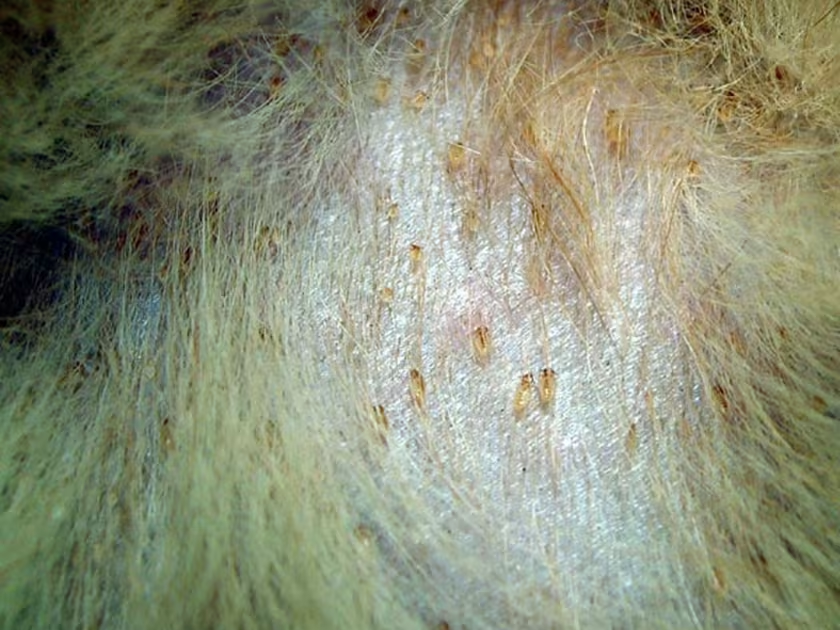
Description
How to identify
Bovicola bovis, commonly known as the cattle biting louse, is a wingless ectoparasite belonging to the order Phthiraptera and the family Trichodectidae. It is a specific pest affecting cattle globally.
Adult lice are small, measuring approximately 1.5 to 2 mm in length. Their bodies are flattened, and they possess a distinct brownish color with dark transverse stripes across the abdomen.
The head of Bovicola bovis is broad and square-shaped, equipped with strong chewing mandibles. Unlike blood-sucking lice, they feed exclusively on skin debris, hair fragments, and sebaceous secretions.
The life cycle occurs entirely on the host animal and lasts about 30 to 40 days. Females lay eggs, known as nits, which are firmly glued to individual hair shafts near the skin surface.
Development involves three nymphal stages that resemble adults but are smaller. Since these parasites cannot survive long off the host, transmission is almost exclusively through direct physical contact.
What it damages
The primary damage caused by Bovicola bovis is intense itching and skin irritation. Animals often become restless, leading to significant stress and abnormal behavior in the herd.
Infested cattle frequently rub against fences, troughs, and buildings to alleviate the itching, which results in mechanical skin trauma, hair loss, and the development of open sores.
Severe infestations lead to reduced productivity, including lower milk yields in dairy cows and slower weight gain in beef cattle, mainly due to disturbed feeding patterns and lack of rest.
The resulting skin damage compromises the animal's natural barrier, increasing the risk of secondary infections, such as bacterial or fungal dermatitis, which require additional treatment.
In winter months, particularly in densely stocked sheds, the cumulative effect of constant irritation can significantly degrade the animal's overall health and physiological condition.
When it appears
Infestation peaks during the winter season when cattle are kept in indoor housing. The combination of high animal density and long winter coats provides an ideal microclimate for the lice.
As spring arrives and cattle are moved to pastures, natural light and warmer temperatures generally lead to a significant decline in the louse population on the animals.
Conditions like high humidity and poor ventilation within barns accelerate the reproductive rates of the lice, leading to rapid colonization of the herd.
Fall is a critical period for monitoring, as cattle often move from pasture to indoor housing. Preventive screening at this stage can prevent major outbreaks during the winter confinement.
Nutritional stress or poor health status can exacerbate infestation rates, making weaker animals in the herd more susceptible to large parasite populations.
Signs of infestation
Visible restlessness and frequent rubbing against objects are the most prominent signs of an infestation. Animals may exhibit patchy hair loss, particularly along the neck, shoulders, and tail head.
Upon inspection, the skin may show red, inflamed areas, scratches, and crusty scabs. These are direct results of the cattle attempting to scratch the itchy spots.
When the hair is parted, one can observe active lice moving on the skin surface or detect the presence of nits attached to the hair shafts, appearing as tiny light-colored specks.
The hair coat of affected animals often appears dull, matted, and disheveled. In advanced cases, large bald patches (alopecia) appear, which are prone to secondary infections.
A decline in the general condition of the herd, coupled with increased irritability, serves as a strong indicator that a diagnostic check for ectoparasites is necessary.
Control measures
Effective control involves the application of veterinary-approved insecticides. Pour-on treatments, which are applied along the animal's back, are commonly used for broad-spectrum protection.
Whole-herd treatment is essential to ensure success. Treating only a few symptomatic animals is insufficient, as the remaining population will act as a reservoir for re-infestation.
Good management practices, such as proper barn ventilation, regular cleaning of facilities, and maintaining high nutritional standards, help mitigate the impact of the parasite.
Biosecurity measures, including isolating new or purchased cattle until they are checked and treated, play a vital role in preventing the introduction of lice into a clean herd.
- Application of topical insecticides (pour-ons, sprays).
- Routine grooming to remove debris and dead hair.
- Quarantine procedures for all new herd additions.
- Environmental disinfection of housing areas.
- Nutritional supplementation to boost immunity.
Taxonomy
- Latin name
- Bovicola bovis
- Family
- Trichodectidae
- EPPO code
- DAMLBO
Discussion
No discussions yet — be the first.