
Bistrispinaria magniceps
Bistrispinaria magniceps
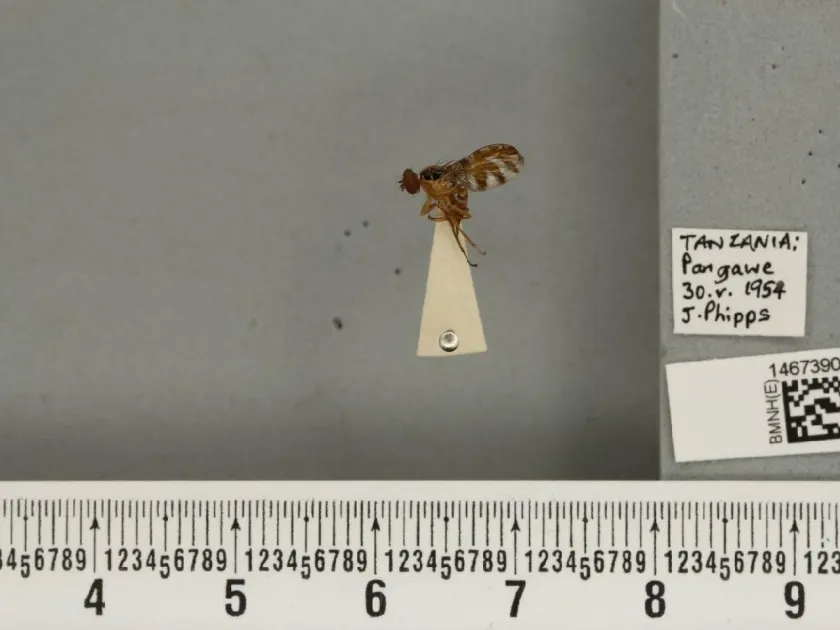
Description
How to identify
Bistrispinaria magniceps is a species of grasshopper belonging to the family Acrididae within the order Orthoptera. It is morphologically characterized by distinct spine-like protrusions on its pronotum, which serves as a primary diagnostic feature for entomological identification.
Adult insects possess a robust, large head relative to their body size, an adaptation for their herbivorous lifestyle. Their coloration is typically camouflaged, ranging from shades of brown to green, allowing them to remain inconspicuous against the stems and foliage of plants.
Development involves incomplete metamorphosis, meaning the insect progresses through several nymphal stages. Each stage is marked by a molt and an increase in size, with wings developing fully only in the final adult stage, enabling long-distance dispersal.
They possess well-developed sensory organs, particularly their eyes, which allow them to detect predators and movement quickly. This makes them highly mobile and capable of rapidly colonizing large agricultural areas during favorable weather conditions.
Agronomists identify these pests by conducting field sweeps with entomological nets, especially along field borders where populations often establish. Early detection is critical to preventing the spread of the insects from natural habitats into commercial crop fields.
What it damages
This pest is primarily an oligophagous feeder, preferring wild grasses but readily transitioning to cultivated cereal crops like wheat, barley, and corn. In years of outbreak, they can cause severe defoliation across entire fields.
Damage begins as minor leaf feeding, but as populations increase, they consume significant portions of the foliage, leaving only the midribs intact. This reduction in leaf area drastically impairs the plant's photosynthetic capacity, stunting growth.
The insects also target the generative organs of the plants. During the grain-filling stage, they feed on developing kernels, which significantly reduces total yield and compromises the final quality of the harvested grain.
The mechanical damage caused by feeding creates lesions on the stems and leaves, which serve as entry points for various bacterial and fungal pathogens. This often leads to secondary infections that worsen the overall health of the crop.
High-density infestations are particularly damaging to water-stressed or nutrient-deficient crops. Monitoring fields that show signs of poor health or uneven development is essential, as these areas are often the first to be severely affected by the pests.
When it appears
The life cycle of the species is strictly synchronized with seasonal temperature shifts. They overwinter as eggs, which are deposited in the soil in protective pods, providing resilience against winter temperatures.
Nymphs emerge in the spring once soil temperatures reach the threshold required for development. The nymphal stage lasts for several weeks, during which the insects are highly dependent on available green biomass for rapid growth.
Adults typically appear in mid-summer, coinciding with the grain maturation phase of cereal crops. This is the period of peak metabolic activity, during which they feed aggressively and prepare for reproduction.
Development rates are strongly influenced by ambient temperature and humidity. Dry, hot summers often accelerate the developmental cycle, potentially leading to faster population growth and multiple waves of infestation within a single season.
As autumn approaches and temperatures drop, adult activity declines. After depositing eggs in the soil for the next generation, the adults die, completing the seasonal life cycle and reducing the population until the following spring.
Signs of infestation
The most prominent sign of infestation is ragged, uneven edges on the leaves of cereal crops. If caught early, one can often spot the insects leaping away as one walks through the rows, indicating their presence in the canopy.
The presence of insect frass (droppings) on the ground or on the leaf surfaces is a strong indicator of a high-density population. This level of infestation usually necessitates immediate management actions to save the crop.
Evidence of damage to the ears of grain, such as hollowed-out hulls or missing kernels, is a critical sign of advanced infestation. This type of damage is often irreversible and can lead to significant economic losses if not stopped promptly.
Weedy borders and unmanaged field edges often serve as the primary indicator site. When large numbers of these grasshoppers are observed in the surrounding vegetation, they are likely to migrate into the fields shortly thereafter.
Increased bird activity over a specific section of the field can also signal a high concentration of grasshoppers. Birds often prey on these insects, and their clustered presence is a biological indicator that should trigger a formal inspection by the agronomist.
Control measures
Effective management requires an integrated approach. Cultural control, such as deep plowing after harvest, is highly recommended to physically destroy egg pods in the soil, which significantly reduces the starting population for the next year.
Controlling weeds along field edges and road verges is vital to limit the early food supply for young nymphs. Keeping these areas clean makes the field less attractive for the initial settlement of the pest.
Chemical control is employed when the economic threshold is exceeded. Insecticides from the pyrethroid or organophosphate classes are commonly used, with the best results obtained when treating fields while the insects are still in their early nymphal stages.
It is important to rotate insecticide products with different modes of action to prevent the development of resistance. Proper calibration of spraying equipment ensures that the chemicals reach the lower parts of the canopy where the nymphs reside.
Biological alternatives, such as the application of entomopathogenic fungi, provide a sustainable way to suppress populations. These methods are particularly useful in integrated pest management (IPM) programs where preserving non-target organisms is a priority.
Taxonomy
- Latin name
- Bistrispinaria magniceps
- Order
- Diptera (flies)
- Family
- Tephritidae
- EPPO code
- BISRMA
Discussion
No discussions yet — be the first.