
Bactrocera trilineola
Bactrocera trilineola
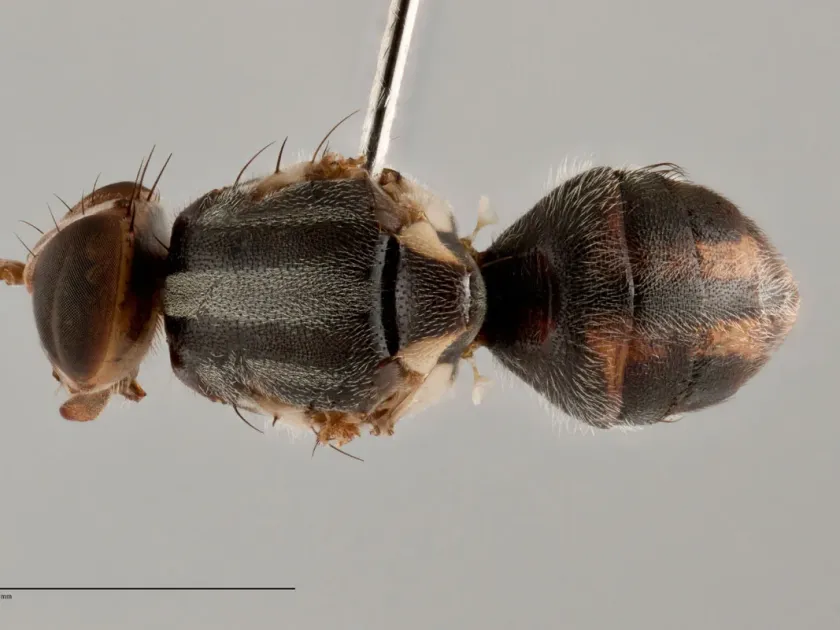
Description
How to identify
Bactrocera trilineola is a species within the order Diptera, belonging to the Tephritidae family. Like other fruit flies in this genus, it is a significant pest of horticultural crops.
The adult fly exhibits specific morphological characteristics that distinguish it from related species. Expert entomological identification is usually required for accurate species determination.
The life cycle encompasses four stages: egg, larva, pupa, and adult. Females possess a sharp, sclerotized ovipositor used for piercing the fruit skin to deposit their eggs.
Field detection relies heavily on the use of pheromone traps. These traps are highly effective at attracting males, allowing researchers to monitor flight activity and population levels.
As a quarantine pest, Bactrocera trilineola is strictly regulated in many regions to prevent its accidental introduction into new suitable climates.
What it damages
This fly species attacks a diverse array of vegetable and fruit crops. It is particularly notorious for damaging crops that provide suitable conditions for larval development.
Common hosts include plants from the Solanaceae and Cucurbitaceae families. Peppers, tomatoes, and various melon species are among the primary targets for infestation.
Larval feeding causes direct damage to the internal structure of the fruit. As larvae tunnel through the pulp, they render the fruit completely unmarketable and inedible.
The feeding activity creates entry points for secondary bacterial and fungal infections. These infections lead to rapid decomposition, often resulting in the total loss of the fruit.
Economic damage is compounded by the pre-harvest drop of infested fruit. This leads to substantial reductions in yields, impacting the profitability of commercial farming operations.
When it appears
The activity and lifecycle of Bactrocera trilineola are heavily influenced by temperature and humidity. Warm, tropical, or subtropical environments are most conducive to its population growth.
Generations overlap throughout the growing season, with the total number of generations per year depending on the duration of the favorable weather period.
Pupation typically occurs in the soil beneath the host plant. The pupal stage provides a survival mechanism, protecting the insect during temporary unfavorable environmental conditions.
Human-assisted spread, primarily through the trade of infested fruits, is the leading cause of the species colonizing new geographic areas where climate conditions allow survival.
Effective monitoring must occur throughout the fruit maturation stage, as this is when the crop is most susceptible to egg-laying by female flies.
Signs of infestation
The earliest sign of an infestation is the presence of minute puncture marks on the fruit skin. These marks indicate where the female inserted her ovipositor to lay eggs.
Inside the fruit, the pulp will show signs of internal decay and the presence of larvae. A cut fruit will often reveal larvae or the extensive tunneling they have created.
Visual symptoms on the fruit surface include discoloration, soft spots, and irregular bumps. As the larvae feed, the structural integrity of the fruit weakens significantly.
A foul odor, characteristic of decomposing organic matter, often accompanies severe infestations. This odor serves to attract further insect pests to the decaying fruit.
- Visible oviposition punctures on the peel.
- Premature ripening and fruit drop.
- Soft or sunken areas on the fruit surface.
- Visible larval activity within the fruit tissue.
Control measures
Stringent phytosanitary and quarantine measures at borders are the primary defense against this pest. Restricted movement of fresh produce is critical to containment.
Monitoring programs using attractant-baited traps should be established in production zones to provide early warnings of potential outbreaks.
Good agricultural practices, such as the systematic removal and destruction of fallen or infested fruit, are vital. Buried or incinerated fruit prevents larvae from successfully pupating.
Chemical control involving systemic or contact insecticides may be implemented when populations exceed established economic thresholds, following all safety labels.
Biological control, including the release of specific parasitoids, offers an alternative management strategy aimed at suppressing population levels in a more sustainable manner.
Taxonomy
- Latin name
- Bactrocera trilineola
- Order
- Diptera (flies)
- Family
- Tephritidae
- EPPO code
- BCTRTL
Discussion
No discussions yet — be the first.