
Bactrocera maculigera
Bactrocera maculigera
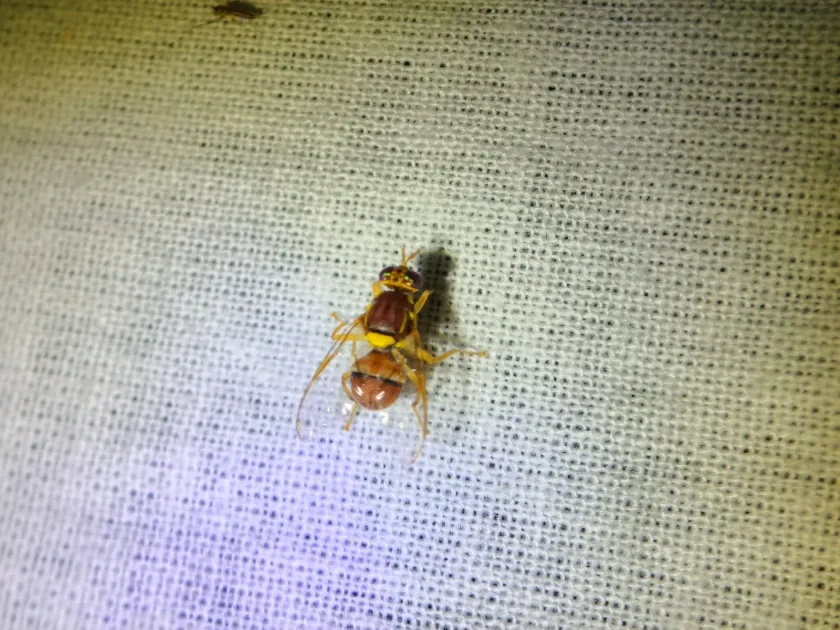
Description
How to identify
Bactrocera maculigera is a specialized species of fruit fly belonging to the Tephritidae family within the order Diptera. It is recognized as a significant agricultural pest in regions where it is endemic, known for its impact on fruit production.
The adult fly typically features distinctive wing patterns and a patterned abdomen, which are key diagnostic characteristics. Accurate identification usually requires a magnifying lens or a stereomicroscope to examine the specific wing venation and body markings.
The life cycle progresses through the egg, larva, pupa, and adult stages. Females use their sharp, sclerotized ovipositor to pierce the surface of fruit, depositing eggs directly into the tissue, where the larvae will eventually feed.
Larval development is rapid, occurring entirely within the fruit flesh. After completing their development, the larvae typically emerge from the fruit to pupate in the soil, although some may remain within the fruit depending on environmental conditions.
The species thrives in warm, humid climates, which allow for overlapping generations throughout the growing season. Their reproductive potential is high, enabling quick population surges if environmental conditions are optimal.
What it damages
Bactrocera maculigera is known to infest a variety of fruit crops, causing significant damage by feeding on internal tissue. It targets ripening fruit, rendering it unfit for market consumption and commercial processing.
The primary damage is caused by larvae tunneling through the fruit. This feeding activity leads to rapid deterioration, browning of the flesh, and the inevitable decay of the affected fruit due to secondary microbial infections.
Infested fruits frequently display signs such as skin discoloration, soft spots, and premature dropping from the tree. Growers often observe an unusually high rate of fruit drop before the harvest season begins.
Economic impact is severe, as even low levels of infestation can lead to the rejection of entire shipments during phytosanitary inspections. This makes the species a major concern for international trade and domestic agricultural stability.
Beyond direct consumption of pulp, the physical damage inflicted by the ovipositor allows bacteria and fungi to infiltrate the fruit, causing rot that can spread to adjacent healthy fruits during storage.
Control measures
Effective management begins with strict monitoring programs using attractant-baited traps. These traps provide early warning signals, allowing growers to time their control interventions precisely against the adult fly population.
Chemical control focuses on the use of targeted insecticide applications or bait sprays. These methods are designed to kill adult flies before they reach reproductive maturity, thereby preventing further egg-laying.
Cultural practices are essential, specifically the frequent collection and destruction of fallen or damaged fruit. Proper disposal prevents larvae from completing their life cycle in the soil and reduces the next generation's population.
Biological control involves the introduction or preservation of natural enemies, such as parasitoid wasps that specifically target fruit fly larvae. This approach is highly effective in reducing reliance on synthetic chemicals.
Soil management under orchard canopies, such as tilling or applying physical barriers, can interfere with the pupation cycle of the flies. Combined with orchard hygiene, these practices form the backbone of a successful IPM (Integrated Pest Management) strategy.
Taxonomy
- Latin name
- Bactrocera maculigera
- Order
- Diptera (flies)
- Family
- Tephritidae
- EPPO code
- BCTRMA
Discussion
No discussions yet — be the first.