
Bactrocera divenderi
Bactrocera divenderi
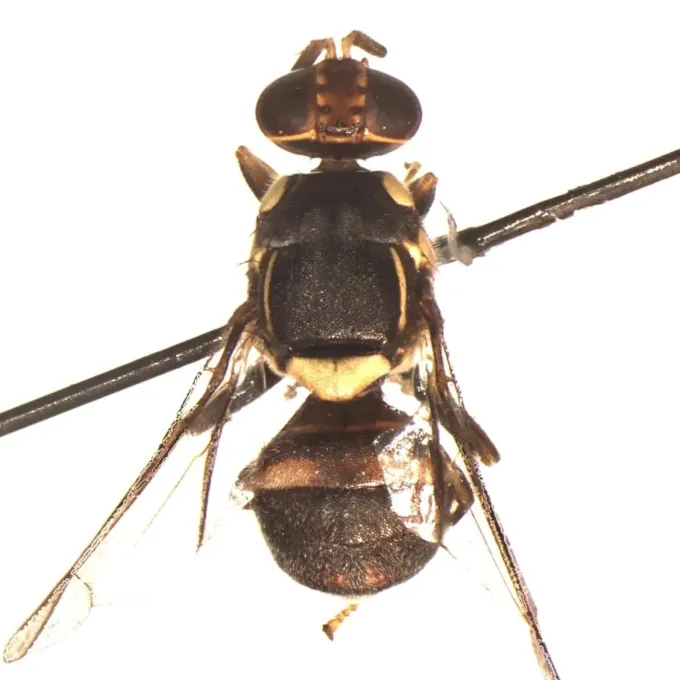
Description
How to identify
Bactrocera divenderi is a species of fruit fly belonging to the family Tephritidae, order Diptera. These flies are notorious for being significant pests in horticulture and agriculture worldwide.
The adult fly is typically characterized by a distinctive, wasp-like appearance with yellow and black patterns on its thorax and abdomen. They have clear wings with specific venation patterns common to the Tephritidae family.
The larvae, which are the destructive stage, are small, legless, and creamy-white in color. They undergo three larval instars while feeding inside host fruits before dropping to the soil to pupate.
Identification often requires examination by a specialist, as Bactrocera divenderi shares morphological similarities with other closely related species within the genus.
Monitoring for this pest is best achieved through the deployment of pheromone-baited traps, which selectively target and capture adult males to estimate population density.
What it damages
This species is a polyphagous pest, meaning it attacks a wide variety of fruit and vegetable crops, including tropical and subtropical fruits as well as various Solanaceous plants.
The primary damage is caused by larvae feeding on the pulp of the fruit, creating internal tunnels that cause the fruit to degrade rapidly from the inside out.
Infestation typically leads to internal rotting, which invites secondary infections by bacteria and fungi, rendering the produce completely unsuitable for human consumption.
Heavy infestations can result in total loss of fruit yield, as the fly attacks developing fruits, causing them to drop prematurely from the host tree.
Due to the economic impact, countries often implement strict phytosanitary regulations to prevent the introduction of this pest into unaffected agricultural regions.
When it appears
The life cycle of Bactrocera divenderi is heavily dependent on temperature and the availability of suitable host fruits. In tropical regions, breeding can occur throughout the year.
In temperate climates, the activity of adults usually peaks during the warm growing season when fruit development coincides with the fly's reproductive cycle.
Pupae serve as the overwintering stage, residing in the soil beneath host plants, protected from adverse environmental conditions until the next season begins.
Multiple generations can occur within a single year if environmental conditions are favorable, which makes the pest particularly difficult to manage in regions with long summers.
The reproductive rate increases significantly as temperatures rise, allowing the population to reach damaging levels within a few short weeks of favorable weather.
Signs of infestation
The first sign of infestation is the presence of small puncture marks (oviposition stings) on the fruit's skin, where the female has laid its eggs.
As the larvae hatch and begin feeding, the skin surrounding the puncture points often discolors, and the fruit begins to show signs of internal softening.
Premature ripening and fruit drop are common indicators. When infested fruit is cut open, one will observe tunnels filled with frass and the larvae actively feeding on the pulp.
The fruit may emit a fermentation odor due to the breakdown of tissue and the presence of microorganisms introduced by the larvae during their feeding activity.
Advanced signs include the total collapse of the fruit structure, which may become mushy and liquid-filled by the time the larvae reach maturity and exit to pupate.
Control measures
Management strategies involve an Integrated Pest Management (IPM) approach that combines physical, chemical, and biological methods to suppress population growth.
Strict sanitation practices, such as the regular collection and deep burial of fallen fruits, are essential to break the life cycle by killing the larvae before they reach the soil.
Chemical control often involves the use of toxic bait sprays that attract and kill adult flies before they have the opportunity to lay eggs on the ripening fruit.
The use of male-attraction techniques, such as pheromone traps, helps keep populations below the economic injury level by reducing the mating success of the flies.
- Applying soil-based biological controls to target pupae in the ground.
- Utilizing physical exclusion methods like bagging individual fruits.
- Implementing strict quarantine protocols to restrict the movement of infested produce.
Taxonomy
- Latin name
- Bactrocera divenderi
- Order
- Diptera (flies)
- Family
- Tephritidae
- EPPO code
- BCTRDV
Discussion
No discussions yet — be the first.