
Bactrocera cacuminata
Bactrocera cacuminata
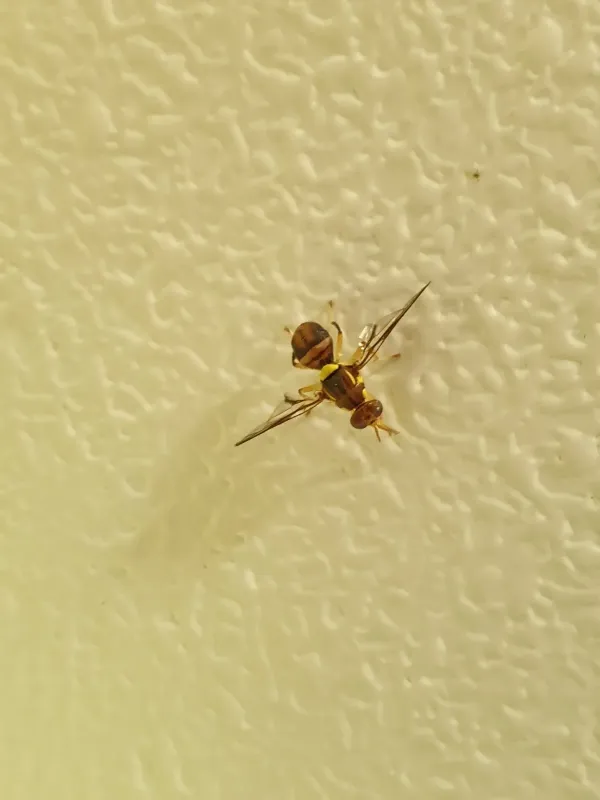
Description
How to identify
Bactrocera cacuminata is a fruit fly species within the Tephritidae family, native to Australia. The adult fly is characterized by a specific pattern of yellow markings on its thorax and abdomen, which aids in field identification among other similar species.
Adult females possess a sharp, sclerotized ovipositor. This organ is specifically adapted to pierce the skin of solanaceous fruits, allowing the female to deposit eggs deep within the fruit tissue where they are protected from environmental extremes.
The larval stage, often referred to as a maggot, is creamy white, legless, and typically grows to a few millimeters in length. Their primary activity is feeding, which leads to the rapid disintegration of the host fruit's internal tissues.
Pupation occurs within a puparium, which is often found in the soil underneath the infested plant. The puparium is robust and helps the insect survive periods when suitable host fruit is unavailable.
The life cycle duration is highly temperature-dependent, allowing for multiple generations per year in tropical and subtropical environments, which poses a continuous threat to susceptible crops.
What it damages
This species primarily targets plants within the Solanaceae family. While it has a strong preference for wild solanaceous species, it readily shifts to agricultural crops such as tomatoes, eggplants, and various peppers when available.
Damage begins with the oviposition process, where the introduction of bacteria and fungi during the female's egg-laying significantly accelerates the decay of the fruit, rendering it inedible.
As larvae consume the fruit, they create extensive tunnels, destroying the structure of the pulp and causing the fruit to collapse or drop prematurely from the plant.
Economic impact is severe, as an entire harvest can be lost to infestation. Furthermore, because this pest is highly destructive, its presence leads to strict quarantine regulations on produce grown in infested areas.
The pest is difficult to eradicate once established in a region, as its cryptic life cycle inside the fruit makes contact-based chemical control ineffective against the larval stages.
Signs of infestation
The most common sign of infestation is the presence of small puncture marks on the fruit surface. These are the entry points created by the female ovipositor, which may show slight discoloration around the perimeter.
A soft, mushy texture in localized areas of the fruit indicates internal damage. If left untreated, these spots spread rapidly, often leading to total fruit collapse due to secondary rot infections.
Upon cutting open an infested fruit, one will typically find tunnels and larvae feeding on the inner flesh, particularly concentrated near the seed cavity.
Premature ripening or unexpected fruit drop is a reliable indicator of infestation, particularly when the fruit appears otherwise healthy but contains larvae within.
Monitoring using male-attractant traps is essential to detect the presence of the adult flies before they have a chance to lay eggs in the current season's crop.
Control measures
Sanitation is the most effective management strategy. All fallen and infested fruit must be collected promptly and destroyed, either by deep burial or incineration, to prevent larvae from completing their pupation in the soil.
Male annihilation techniques using pheromone-impregnated blocks can effectively reduce the population of male flies, subsequently lowering the mating success rate and the overall infestation levels in the field.
Chemical control can be used to target adult flies; however, it must be timed carefully based on monitoring data to ensure the reduction of adults before they lay eggs.
Cultural practices, such as clearing weeds and wild solanaceous hosts in the vicinity of commercial crops, help to eliminate reservoirs where the flies breed and survive between seasons.
Adherence to strict movement controls and inspection protocols for produce coming from known infested regions is critical to prevent the accidental introduction of Bactrocera cacuminata to new areas.
Taxonomy
- Latin name
- Bactrocera cacuminata
- Order
- Diptera (flies)
- Family
- Tephritidae
- EPPO code
- DACUCA
Discussion
No discussions yet — be the first.