
Athrycia
Athrycia
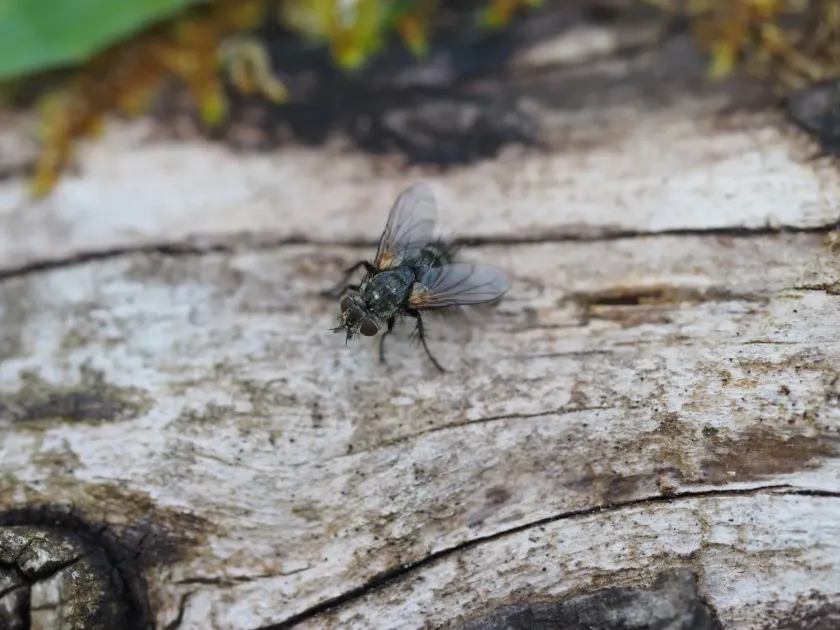
Description
How to identify
Athrycia is a genus of flies belonging to the family Tachinidae, order Diptera. These insects are vital components of ecological pest control due to their role as parasitoids of various lepidopteran species.
Morphologically, Athrycia adults are similar to other tachinid flies, characterized by a robust, bristly body and well-developed eyes, which aid in their search for hosts within diverse agricultural landscapes.
The genus includes several species that are identified based on subtle variations in wing venation and abdominal setation, often requiring expertise for correct taxonomic classification.
Adults are typically free-living and nectar-feeding, while the larvae are internal parasitoids that eventually kill their host, making them highly effective natural enemies of agricultural pests.
Understanding the specific identity of Athrycia within a field allows agronomists to accurately assess the potential for natural biological control of localized outbreaks.
What it damages
Athrycia is not a herbivorous pest; therefore, it does not damage crops directly. On the contrary, it provides significant ecosystem services by reducing the populations of major lepidopteran pests.
The host range of Athrycia includes various species of cutworms and other caterpillars that feed on vegetable crops, fruits, and grains, causing substantial economic losses if left unchecked.
By parasitizing these herbivores, Athrycia effectively limits their numbers, which serves as a natural barrier against pest colonization and reduces the reliance on synthetic chemicals.
It is crucial to recognize Athrycia as a beneficial biological asset. Farmers should strive to create conditions that support the presence and activity of these parasitoids throughout the growing season.
In essence, the "damage" caused by this insect is entirely beneficial to the grower, as it disrupts the life cycle of destructive caterpillars before they cause extensive crop destruction.
When it appears
The activity cycle of Athrycia is synchronized with the emergence and growth phases of its lepidopteran hosts, ensuring a reliable food source for the developing larvae.
Adult flies are most commonly observed during the spring and summer months, coinciding with the peak infestation periods of various agricultural pests in the fields.
Pupation typically occurs in the soil or within plant debris, where the puparia remain throughout the winter, providing a mechanism for the species to survive colder seasons.
Climate variables, particularly temperature and humidity, play a significant role in determining the speed of their developmental stages and the number of generations per year.
Monitoring the flight activity of these flies helps in timing agricultural interventions to ensure that beneficial populations are not decimated by indiscriminate pesticide use.
Signs of infestation
Identifying the presence of Athrycia is challenging because the larvae develop inside the body of the host, meaning there are no external signs of the parasitoid until the later stages.
Symptoms in host caterpillars include reduced feeding, lethargy, and a change in physical condition, as the internal parasitoid begins to consume the host's vital tissues.
Laboratory dissection of infested caterpillars often reveals the presence of larvae, which can be identified by their movement and specific physiological markers.
Once the development is complete, the adult fly exits the host's remains, often leaving a distinct exit hole in the cuticle of the dead or dying caterpillar.
Field surveys looking for clusters of dead or parasitized larvae are the best way to estimate the current efficacy of Athrycia within a specific planting area.
Control measures
There is no need for control measures against Athrycia; instead, agricultural practices should focus on conservation and enhancement of this beneficial species.
The primary management strategy involves implementing Integrated Pest Management (IPM) practices to reduce negative impacts on parasitoid populations.
- Adopting selective pest control methods that target specific pests while sparing beneficial insects.
- Maintaining field margins and hedgerows to provide nectar sources and overwintering habitats for the adults.
- Avoiding excessive soil cultivation to protect overwintering puparia located in the surface layers.
- Reducing the frequency of broad-spectrum insecticide sprays during peak parasitoid activity periods.
- Educating field staff to distinguish beneficial tachinid flies from harmful pests to prevent accidental destruction.
By protecting Athrycia, growers can leverage nature's own mechanisms for sustainable pest regulation, ultimately enhancing both productivity and environmental health.
Taxonomy
- Latin name
- Athrycia
- Order
- Diptera (flies)
- Family
- Tachinidae
- EPPO code
- ATHRSP
Discussion
No discussions yet — be the first.