
Athrips
Athrips
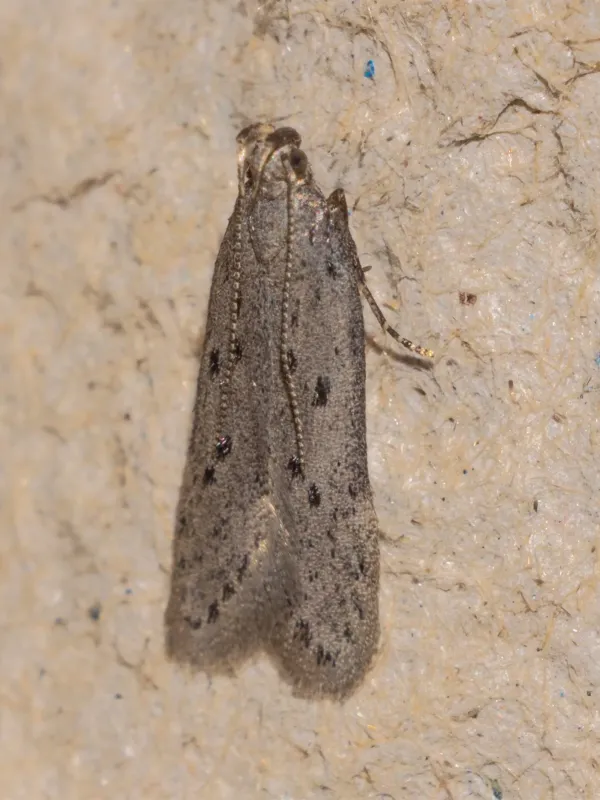
Description
How to identify
The genus Athrips belongs to the family Gelechiidae, which are small moths known for their cryptic lifestyle and hidden larvae development.
Adult moths of this genus have narrow, often fringed wings. Because they are nocturnal, they are rarely seen by field workers during the daytime hours.
Identification at the species level is challenging and typically requires professional entomological examination of male and female genitalia.
The larvae are small and often live within rolled or tied leaves, which protects them from predators and environmental stressors.
Their distribution is frequently tied to specific climate conditions, often favoring dry and warm environments for their development.
What it damages
The larvae are responsible for the damage, as they feed on leaves, buds, and sometimes developing seeds or fruits of their host plants.
By mining leaves or boring into reproductive parts, the larvae reduce the photosynthetic capacity and vitality of the affected plants.
Infestations can lead to stunted growth and reduced yields, particularly when high populations of larvae target critical growth stages of crops.
Secondary infections often follow larval feeding, as the damaged plant tissues become vulnerable to various opportunistic fungal and bacterial pathogens.
Crop losses are most significant when the pest attacks during the flowering or grain-filling stages, directly impacting the marketable harvest.
When it appears
The development of Athrips is heavily influenced by temperature, typically resulting in multiple generations per growing season.
Adults become active as temperatures rise in the spring, initiating the cycle of egg-laying on suitable host plants found in the field.
The insects overwinter as pupae or larvae, often sheltered in soil debris, crop residues, or protected crevices within the field environment.
Nighttime activity is characteristic of the adults, who then remain inactive during the day to avoid visual predators.
Environmental factors like prolonged heat waves can accelerate larval development, potentially causing rapid increases in local population densities.
Signs of infestation
The primary symptom of an infestation is the presence of webbed or tied leaves, which serve as shelters for the developing larvae.
Look for small holes on leaves or darkened spots where larvae have been feeding on the internal tissues of the plant foliage.
- Webbing connecting adjacent leaves together.
- Skeletonized areas of the leaf surface.
- Distorted or withered flower buds.
- Presence of larval frass (excrement) near feeding sites.
- Premature yellowing of leaves and shoot tips.
Early identification of these signs is essential to prevent significant damage to the overall plant structure.
Regular field scouting focusing on the underside of leaves and terminal shoots can reveal the pest before populations reach damaging levels.
Control measures
Integrated pest management (IPM) strategies for Athrips include deep plowing after harvest to bury and destroy overwintering pupae.
Implementing crop rotation helps to disrupt the life cycle of the pest, making it more difficult for larvae to find suitable host plants.
Chemical control using systemic insecticides is often necessary if the pest population threshold is exceeded during critical crop development.
Monitoring using pheromone traps is an effective tool to track adult flight patterns and determine the optimal timing for protective applications.
Biological controls, such as the use of natural parasitoids and predators, contribute to reducing population numbers in balanced field ecosystems.
Taxonomy
- Latin name
- Athrips
- Order
- Lepidoptera (butterflies)
- Family
- Gelechiidae
- EPPO code
- AHRSSP
Discussion
No discussions yet — be the first.