
Arna
Arna
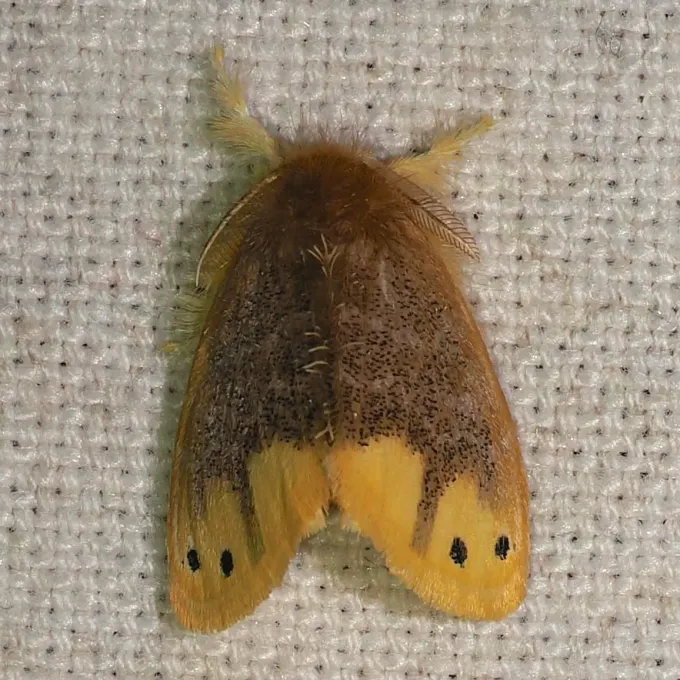
Description
How to identify
The genus Arna belongs to the family Erebidae (subfamily Lymantriinae). These moths are characterized by a distinct appearance, often possessing hairy bodies that serve as a protection mechanism.
The larvae, commonly known as caterpillars, are the primary focus for agronomists due to their feeding habits. They are typically covered in dense tufts of hair, which are often used to build their cocoons.
The life cycle follows a complete metamorphosis: egg, larva, pupa, and adult. Each stage is adapted to survive in specific environments, often residing on the host plant or within its immediate vicinity.
Identifying the species within the genus involves examining the specific patterns of the hair tufts and the coloration of the larvae, which can be species-specific in some regions.
The pupal stage is protected by a silken cocoon reinforced with larval hairs, making them difficult to detect when they are attached to the bark or leaves of host trees.
What it damages
Damage to plants is caused by the caterpillars, which possess strong mandibles for chewing foliage. They can cause significant defoliation when populations are high.
These pests target various plant species, including fruit trees, forest timber, and ornamental shrubs. They consume leaf tissue, often leaving only the primary veins behind.
Heavy feeding pressure results in a significant reduction of photosynthetic capacity, which leads to stunted growth, loss of vigor, and reduced yield in commercial orchards.
In addition to direct foliage loss, the damage weakens the overall health of the plant, making it more susceptible to secondary infections, such as bacterial or fungal diseases.
Young plants and seedlings are particularly vulnerable, as the loss of a large percentage of their leaf area can be lethal if not managed in time.
When it appears
The seasonal activity of Arna usually begins in the spring, coinciding with the bud break and leaf development of host plants, which provides the initial food source for larvae.
Depending on the climatic zone, the genus may produce one or more generations per year. Warm summer months are typically when the larval population peaks.
The adult moths are generally active during the night, laying eggs in clusters on the underside of leaves, which are then covered by protective scales or hairs.
Overwintering usually occurs in the pupal stage, with cocoons tucked away in crevices of bark, leaf litter, or other sheltered areas until temperatures rise again in the following season.
Monitoring should be most intensive from late spring through mid-summer, when the larval growth rates are at their highest and the potential for crop damage is greatest.
Signs of infestation
Visual signs of an Arna infestation begin with small, irregularly shaped holes appearing on leaves, indicating that young larvae have begun their feeding activity.
The accumulation of frass (larval droppings) on the leaves or the ground beneath the canopy is a definitive sign of an active infestation that warrants closer inspection.
Rolled or tied leaves are common indicators, as many caterpillar species use these structures for protection from predators and as a site for pupation.
Visible thinning of the foliage or a tattered, skeletonized appearance of the leaves indicates that the population density has reached a level requiring intervention.
The presence of shed larval skins or the distinct, hairy caterpillars themselves on branches or stems provides immediate confirmation of the pest's presence.
Control measures
Manual control strategies include the removal and destruction of egg masses and cocoons during the dormant season, which is highly effective in reducing the next generation's numbers.
Biological control using Bacillus thuringiensis sprays is a standard practice, targeting the larvae while being selective enough to spare beneficial predatory insects.
Chemical control involving the use of registered insecticides is recommended only when monitoring confirms that the infestation exceeds economic thresholds.
Integrating cultural practices, such as maintaining healthy plant vigor and managing weeds, helps to minimize the attractiveness of the area to egg-laying moths.
Encouraging natural enemies, including birds, parasitic wasps, and predatory beetles, creates a biological balance that can suppress population outbreaks naturally.
Taxonomy
- Latin name
- Arna
- Order
- Lepidoptera (butterflies)
- Family
- Erebidae
- EPPO code
- ARNASP
Discussion
No discussions yet — be the first.