
Aristotelia subericinella
Aristotelia subericinella
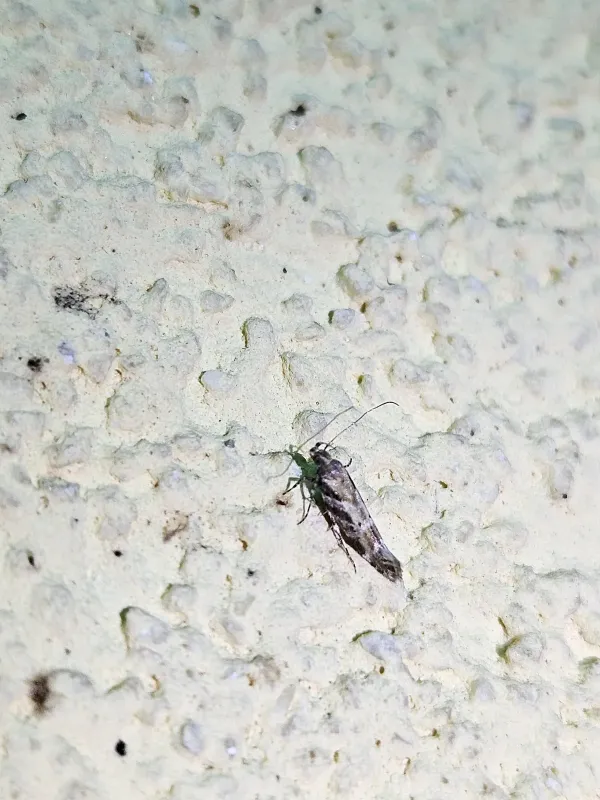
Description
How to identify
Aristotelia subericinella is a small moth species belonging to the family Gelechiidae, often referred to as gelechiid moths. These insects are characterized by their narrow wings and specific resting posture, which makes them highly inconspicuous in their natural agricultural environment.
What it damages
This species primarily targets various cereal crops and wild grasses. The larvae act as internal feeders, mining into the stems or consuming leaf tissue, which disrupts the vascular system and physiological processes of the host plants during their peak growing phase.
When it appears
The life cycle is closely synchronized with the phenology of host plants. Adults typically emerge during the summer, marking the beginning of the oviposition period. Depending on climate conditions, multiple overlapping generations can occur if the host plants remain available.
Signs of infestation
Symptoms of infestation include visible mining tracks on leaves and localized yellowing of stems. In cases of high larval density, plants may show stunted growth, leaf chlorosis, or complete stem death, leading to a significant reduction in grain yield and quality.
Control measures
Effective management involves cultural practices such as deep plowing to disturb pupal overwintering sites in the soil. Farmers are also advised to monitor pest populations and apply targeted systemic insecticides or biological control agents when economic damage thresholds are reached.
Taxonomy
- Latin name
- Aristotelia subericinella
- Order
- Lepidoptera (butterflies)
- Family
- Gelechiidae
- EPPO code
- ARISSU
Discussion
No discussions yet — be the first.