
Ardices glatignyi
Ardices glatignyi
Description
How to identify
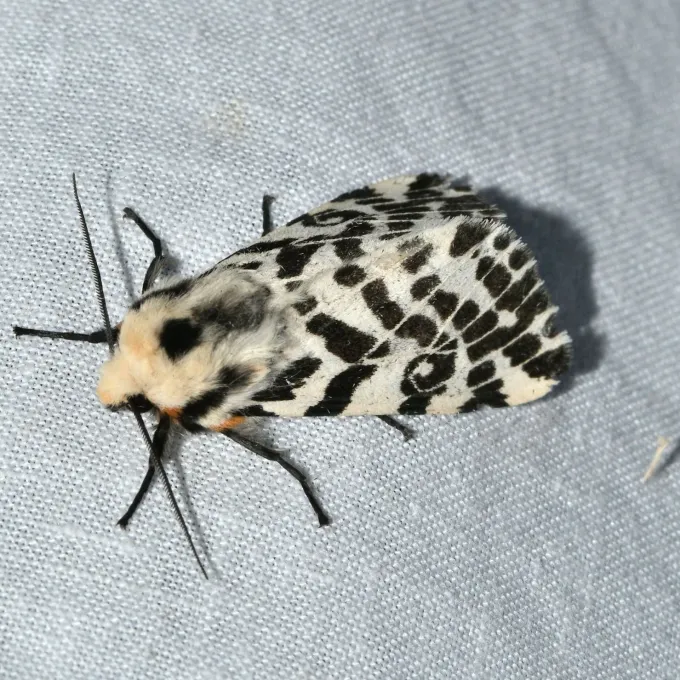
Ardices glatignyi is a species of moth within the family Erebidae, subfamily Arctiinae. Like many tiger moths, the adult moth is nocturnal and exhibits morphological traits characteristic of this taxonomic group.
The adult moths are typically cryptic in color, which serves as camouflage against natural predators when the insects are resting on tree bark or foliage during the daylight hours.
Larvae, commonly known as caterpillars, are covered in dense setae (hairs). These hairs act as a defense mechanism, deterring birds and other predators from attempting to consume them.
The life cycle encompasses four distinct stages: egg, larva, pupa, and adult. The developmental rate is highly sensitive to environmental factors such as temperature and humidity levels in their habitat.
While not typically considered a major agricultural pest, its populations can fluctuate based on ecological conditions, occasionally leading to localized outbreaks in cultivated areas.
What it damages
The larvae are polyphagous, feeding on a wide array of plants including trees, shrubs, and various herbaceous species, which can occasionally include garden and nursery stock.
The primary damage is caused by the larvae feeding on the foliage, which reduces the plant's capacity for photosynthesis and can lead to structural damage in smaller, young plants.
Heavy feeding by a localized population of caterpillars can result in severe defoliation, leaving behind only the veins of the leaves, which significantly stresses the affected plants.
For young nursery seedlings, such defoliation can stunt growth or result in increased mortality, particularly during the critical early stages of the growing season.
In addition to direct tissue loss, the feeding sites often create entry points for opportunistic plant pathogens, leading to secondary infections and tissue necrosis.
Signs of infestation
The most common indicator of presence is the observation of ragged edges on leaves, where caterpillars have actively fed during their nocturnal foraging periods.
Frass (larval excrement) deposited on the leaves below the feeding sites is a clear sign that a caterpillar colony is present in the canopy above.
During the pupation stage, you may find silken cocoons spun by the larvae, often incorporating their own hairs, attached to leaves, twigs, or bark fissures.
Localized browning or premature wilting of specific branches or sections of a plant can indicate a high density of larvae feeding on those particular structures.
Inspect the undersides of leaves and sheltered branches for egg clusters, which are often laid in groups and are a key indicator for early intervention.
Control measures
Biological control using microbial insecticides, such as products containing Bacillus thuringiensis, is highly effective against young larval instars while remaining safe for most beneficial insects.
Cultural control practices, including the maintenance of weed-free zones and the thinning of dense canopies, help reduce the overall suitability of the environment for the pest.
Chemical intervention with contact insecticides may be necessary in extreme cases where natural or biological control methods fail to keep the population below economic injury levels.
Fostering biodiversity by encouraging insectivorous birds and predatory insects will help keep the Ardices glatignyi population suppressed under natural conditions.
- Manual removal of larval colonies from young or small plants.
- Light traps for monitoring adult moth flight and activity periods.
- Sanitation practices, such as removing debris where pupae may overwinter.
Taxonomy
- Latin name
- Ardices glatignyi
- Order
- Lepidoptera (butterflies)
- Family
- Erebidae
- EPPO code
- SPIMGL
Discussion
No discussions yet — be the first.