
Aphytis
Aphytis mytilaspidis
Description
How to identify
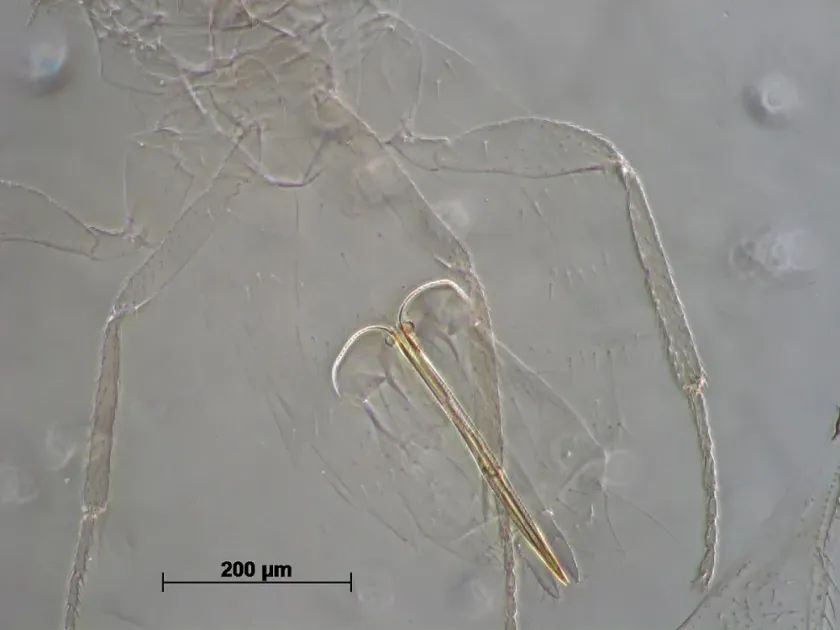
Aphytis mytilaspidis is a minute parasitic wasp belonging to the Aphelinidae family. These insects are typically less than 1 mm in length, possessing a characteristic yellowish appearance that allows them to blend in with bark and leaf surfaces.
As a highly specialized ectoparasitoid, this species is known for its ability to target specific scale insects. Its survival strategy depends on the ability to detect hosts even at low population densities within an orchard environment.
The female wasp utilizes a slender, needle-like ovipositor to penetrate the protective shield of the scale. She carefully inspects potential hosts with her antennae to ensure suitability before depositing her eggs.
The larvae develop externally upon the host body, sheltered beneath the scale cover. This position offers protection from adverse weather conditions and potential hyperparasitoids that might inhabit the orchard.
Given its fast reproductive cycle, Aphytis mytilaspidis can maintain multiple generations within a single growing season, effectively keeping pace with the lifecycle of the target pests.
What it damages
Aphytis mytilaspidis is not a plant pest; it is a highly beneficial insect that provides essential ecosystem services by suppressing scale insect populations. It poses no threat to the health of trees or crop production.
This parasitoid specifically targets various scale species, including the oyster shell scale and other armored scale insects that cause significant damage to fruit trees. By keeping these pests under control, the wasp prevents bark degradation and plant stress.
Scale insects, if left unchecked, extract sap from the phloem, leading to stunted growth and branch dieback. The presence of Aphytis helps mitigate these negative effects significantly.
Studies have shown that in stable environments, this wasp can parasitize a vast majority of the scale population, drastically reducing the need for intensive chemical interventions.
In essence, its "damage" is strictly reserved for the pests, making it an invaluable asset for sustainable and organic farming practices globally.
When it appears
The activity of Aphytis mytilaspidis typically begins in early spring as temperatures rise, signaling the emergence of adults from their overwintering stage. This usually coincides with the reactivation of scale nymphs.
During the peak of the summer, the wasp population reaches its highest density. This period is critical for the management of the second and third generations of scale insects, which the wasp continues to parasitize.
The number of generations per year is dependent on the local climate, typically ranging from three to five, allowing for continuous coverage throughout the active growing season.
As autumn approaches and temperatures decline, the wasps prepare for overwintering by entering a pupal stage directly under the protective shields of their host, ensuring they survive the winter months.
The synchronization of the wasp’s lifecycle with its host is a primary factor in its success as a biological control agent within the orchard ecosystem.
Signs of infestation
The most reliable sign of Aphytis activity is the presence of tiny, clean exit holes on the shields of the scale insects. These holes indicate that an adult wasp has successfully completed its development and emerged.
If a shield is carefully lifted, one may find the remnants of the scale insect and, occasionally, the larval or pupal stages of the parasitoid itself, confirming active predation.
A noticeable decline in the number of live scale insects on the trunk and branches of fruit trees compared to previous years is a strong indicator of successful biological suppression.
The overall health of the tree, manifesting in vibrant leaves and absence of bark cracking or weeping, often correlates with the presence of effective parasitoids like Aphytis.
In cases where scale colonies appear brittle or discolored, it is often a sign that the parasitoid has successfully consumed the pest, leaving only the empty shell behind.
Control measures
To support populations of Aphytis mytilaspidis, it is essential to avoid the use of broad-spectrum pesticides during the times when adult wasps are most active and searching for hosts.
Implementing integrated pest management (IPM) strategies, which prioritize selective and soft insecticides, allows the beneficial population to thrive while still controlling the pest.
Preserving natural habitats, such as hedgerows or wild borders around orchards, provides essential shelter and resources for these wasps during periods when host populations are temporarily low.
Avoid heavy cleaning or scraping of old tree bark where possible, as these crevices act as crucial overwintering sites for the wasp larvae and pupae.
By fostering a balanced agroecosystem, growers can rely on the natural regulatory power of Aphytis to maintain low scale insect levels, reducing long-term costs and chemical reliance.
Taxonomy
- Latin name
- Aphytis mytilaspidis
- Order
- Hymenoptera
- Family
- Aphelinidae
- EPPO code
- APYTMY
Discussion
No discussions yet — be the first.