
Aphytis hispanicus
Aphytis hispanicus
Description
How to identify
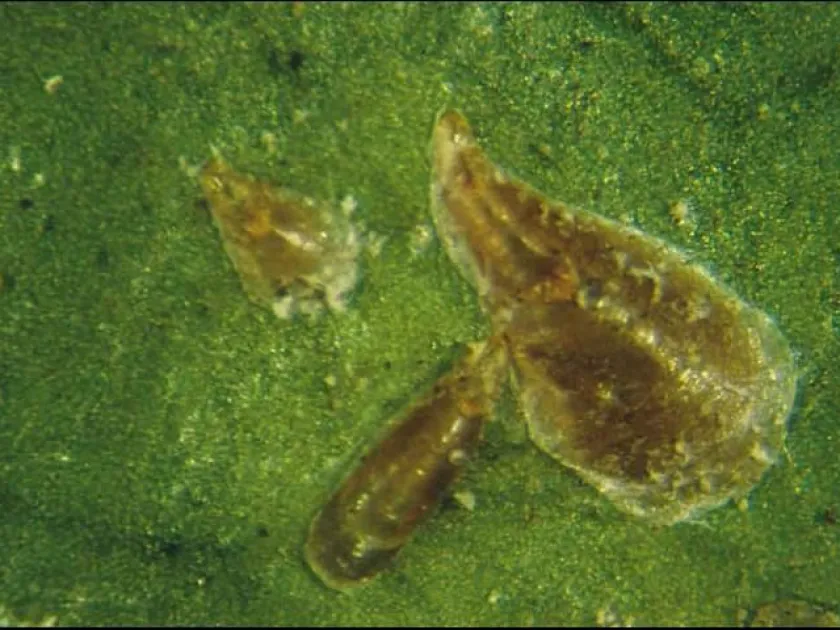
Aphytis hispanicus is a tiny parasitic wasp belonging to the family Aphelinidae, widely recognized in agronomy as a beneficial entomophagous insect.
These wasps are extremely small, typically measuring about 1 mm in length, and possess a light yellow to ochre color which helps them blend in with the foliage of host plants.
Their life cycle involves finding a suitable host, typically a scale insect, and inserting an egg underneath its protective armor or scale.
Upon hatching, the larva feeds on the host, effectively killing the scale insect and consuming its internal tissues during its developmental stages.
Due to their highly specialized nature, they are excellent candidates for biological control programs in orchards and greenhouse environments.
What it damages
It is important to note that Aphytis hispanicus is not a plant pest; rather, it is a crucial natural enemy that helps protect crops from damage.
The primary target of this wasp includes several species of scale insects, most notably the oleander scale (Aspidiotus nerii), which often attacks citrus trees.
By effectively parasitizing these scales, the wasp prevents the insects from sucking vital plant fluids, which would otherwise lead to chlorosis and stunted growth.
Without the presence of such parasitoids, scale insect populations can reach levels that cause significant economic losses in fruit production.
Therefore, Aphytis hispanicus acts as a natural guardian, preserving plant health without causing any adverse effect on the crops themselves.
When it appears
The activity and population growth of Aphytis hispanicus are closely synchronized with the environmental temperatures and the life stages of their host scales.
During warmer months, the wasp experiences accelerated development, allowing for several generations within a single growing season.
Optimal temperatures for their reproduction range from 20 to 30 degrees Celsius, which enables them to maintain a high level of host-searching activity.
In temperate zones, their activity is significantly reduced during winter, as they undergo a period of dormancy or slower developmental stages.
Efficient biological control requires monitoring these seasonal activity patterns to ensure the release of the parasitoids aligns with the peak infestation periods of the scale insects.
Control measures
To maximize the efficiency of Aphytis hispanicus in an integrated pest management (IPM) program, careful selection of chemical inputs is mandatory.
Heavy reliance on broad-spectrum insecticides must be avoided, as these chemicals are often lethal to beneficial insects and disrupt natural biological control.
Farmers are encouraged to use selective pesticides or botanical oils that are less harmful to the wasp population when chemical intervention is necessary.
- Preferential use of selective insecticides over organophosphates.
- Integration of refuge areas to provide floral resources for adult wasps.
- Periodic monitoring of parasitism rates on scale insects to evaluate efficacy.
Implementing these practices helps sustain a healthy population of Aphytis hispanicus, reducing the overall need for aggressive chemical spraying.
Taxonomy
- Latin name
- Aphytis hispanicus
- Order
- Hymenoptera
- Family
- Aphelinidae
- EPPO code
- APYTHI
Discussion
No discussions yet — be the first.