
Aphytis coheni
Aphytis coheni
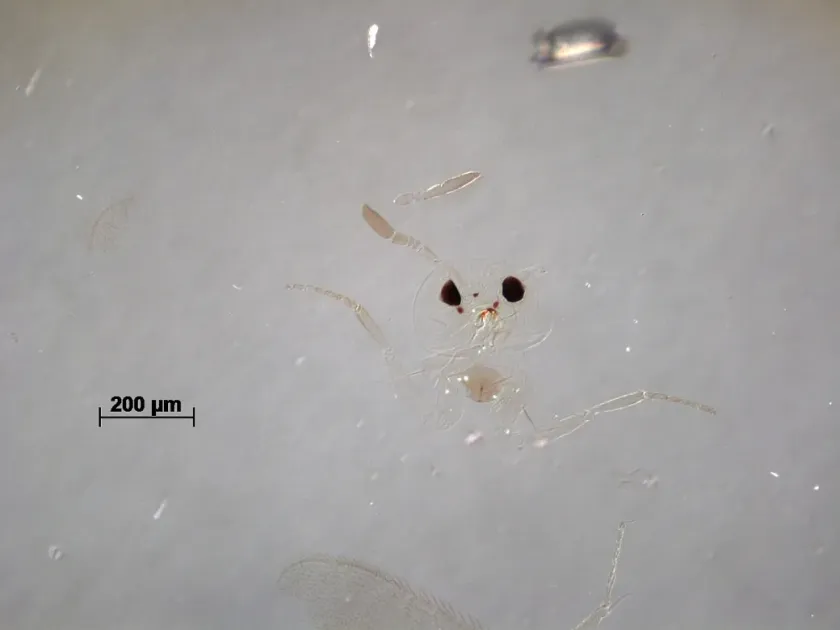
Description
How to identify
Aphytis coheni is a minute parasitic wasp belonging to the family Aphelinidae. This species is a specialized ectoparasitoid that has been effectively utilized in biological control programs globally to manage scale insect populations.
The adult wasp is extremely small, usually measuring less than 1 mm in length, and is characterized by a pale yellow body. Despite its tiny size, it is a powerful tool for orchard managers seeking to minimize chemical inputs.
The lifecycle of this insect involves the female depositing eggs under the scale cover of the host. Upon hatching, the larva feeds on the host, eventually killing it before emerging as an adult through a tiny exit hole in the scale.
One of the key strengths of Aphytis coheni is its superior searching capability. The female wasp can actively navigate complex tree canopies to locate even sparse populations of pests, ensuring consistent suppression.
The species reproduces rapidly in warmer climates, allowing it to maintain a steady presence in orchards and provide long-term biological stability against targeted pest infestations.
What it damages
It is crucial to note that Aphytis coheni is not a plant pest; it is a beneficial insect. It plays a vital role in natural pest management, specifically targeting the Red Scale (Aonidiella aurantii) on citrus trees.
Citrus crops, including lemons, oranges, and grapefruit, benefit significantly from the presence of this parasitoid. By suppressing scale insect numbers, the wasp prevents structural damage to the fruit and trees.
Scale insects usually extract sap from leaves and branches, which can lead to tree decline, stunted growth, and reduced harvest quality. The parasitoid effectively halts this process without harming the host plant.
In addition to protecting the harvest, the use of this insect contributes to sustainable farming practices, as it decreases the reliance on harsh synthetic pesticides that can disrupt local ecosystems.
Orchards with a balanced population of this wasp exhibit higher overall resilience, leading to better fruit production and lower operational costs related to pest treatment.
Signs of infestation
The primary sign of Aphytis coheni activity is the presence of distinct exit holes on the scale covers of the pests. These small perforations indicate that the parasitoid has successfully completed its life cycle.
Under a magnifying lens, one can distinguish between occupied and parasitized scales. The presence of dry, empty scale covers or evidence of wasp emergence is a clear indicator of successful biological control.
General tree health is another indicator; orchards managed with the help of this parasitoid typically show less soot-like mold (caused by scale secretions) and more vigorous foliage and shoot development.
Monitoring boards and sticky traps placed in the orchard can help estimate the population density of the wasp, helping growers decide whether additional releases or conservation measures are required.
During the growing season, a decrease in the overall scale insect population, combined with signs of parasitism on remaining scales, confirms that the beneficial wasp is doing its job effectively.
Control measures
To ensure the survival and effectiveness of Aphytis coheni, it is essential to move away from broad-spectrum insecticides that kill beneficial wasps as easily as the target pests.
Implementing an Integrated Pest Management (IPM) program is the best way to support the wasp. This involves using selective, soft-chemical products that allow the beneficial population to thrive.
Conservation efforts should include providing floral resources around the orchard edges. These nectar-rich plants offer energy to adult wasps, which helps increase their lifespan and reproductive success.
Dust management is also important; excessive dust accumulation on leaves can interfere with the female's searching ability, making it harder for her to detect host scales.
- Prioritize biological control agents in the pest management plan.
- Avoid broad-spectrum pesticide applications during wasp activity windows.
- Encourage local biodiversity with flowering strips or hedge rows.
- Monitor pest levels closely to ensure timing for any necessary interventions.
Taxonomy
- Latin name
- Aphytis coheni
- Order
- Hymenoptera
- Family
- Aphelinidae
- EPPO code
- APYTCN
Discussion
No discussions yet — be the first.