
Aphonopelma
Aphonopelma
Description
How to identify
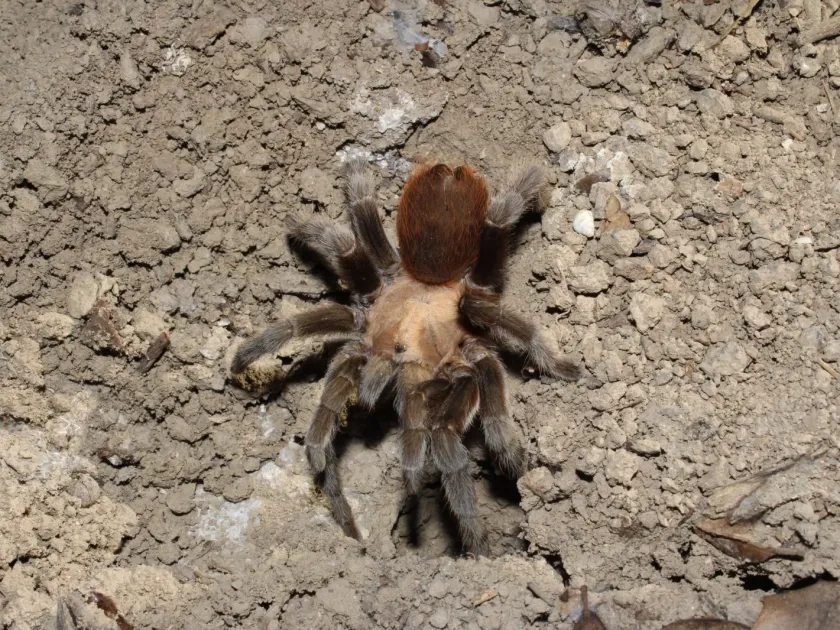
The genus Aphonopelma consists of large, terrestrial spiders commonly known as tarantulas. They belong to the Theraphosidae family and are recognized by their bulky bodies covered in setae (hair).
Their coloration ranges from earthy brown to jet black. Sexual dimorphism is present, as males are typically smaller and more slender than the robust females found in the wild.
A key identifying characteristic of the New World species in this genus is the presence of urticating hairs located on the dorsal side of the abdomen, used for defense against predators.
These spiders are primarily nocturnal and are solitary creatures that often reside in burrows, which they either dig themselves or occupy from other small animals.
As obligate carnivores, they have no biological capacity to consume plant tissues, making them biologically incompatible with the role of a crop pest.
What it damages
It is scientifically confirmed that Aphonopelma species are not plant pests. They do not feed on crops, vegetables, or fruits, as their diet consists exclusively of insects and other small arthropods.
They lack the physiological apparatus required to process cellulose or plant juices, meaning they do not cause any mechanical or chemical damage to agricultural plants.
The presence of these spiders in a field or garden poses no threat to economic viability. Farmers do not experience crop loss from these arachnids, as they do not affect plant health or yield.
Misunderstandings regarding their nature often stem from their intimidating size. However, they are strictly beneficial or neutral in agricultural ecosystems as they hunt insects.
There is no recorded incidence of Aphonopelma acting as a vector for plant diseases or inhibiting plant development through any agricultural activity.
Control measures
There are no pest control recommendations for Aphonopelma because they do not require management. Chemical interventions are entirely unnecessary and discouraged to maintain soil health.
If the proximity of a tarantula causes concern, simple avoidance or relocating the individual to a non-agricultural area is sufficient. Protective gloves should be used to avoid urticating hairs.
Integrated Pest Management (IPM) strategies emphasize preserving generalist predators like these spiders because they contribute to the biological control of actual agricultural pests.
A responsible agronomic approach involves educating personnel about the harmless nature of these spiders toward crops to prevent pointless destruction of local biodiversity.
No agricultural products or treatment protocols exist or are necessary for this genus, as they maintain a stable population that does not reach pest status.
Taxonomy
- Latin name
- Aphonopelma
- Family
- Theraphosidae
- EPPO code
- APPMSP
Discussion
No discussions yet — be the first.