
Anoplocnemis luctuosa
Anoplocnemis luctuosa
Description
How to identify
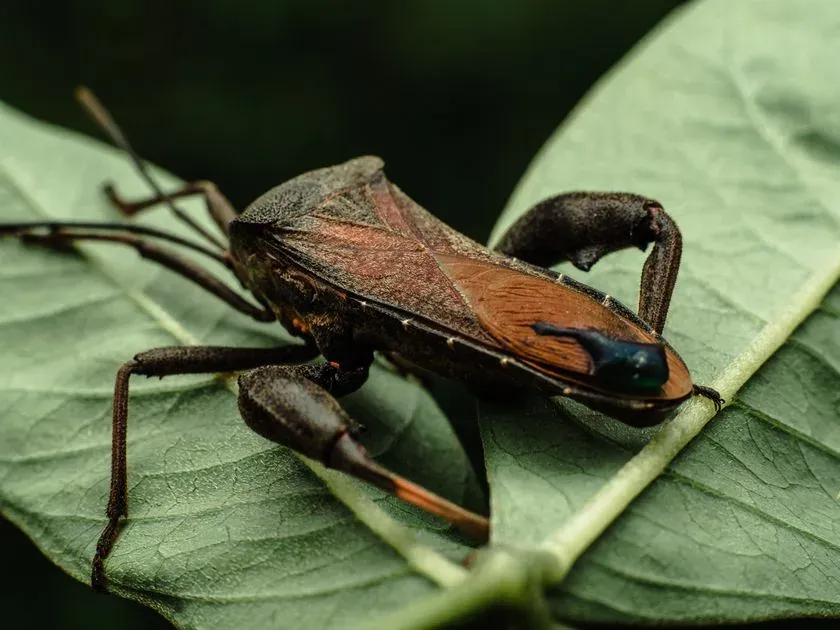
Anoplocnemis luctuosa is a prominent species within the family Coreidae, commonly known as leaf-footed bugs. These insects are characterized by their robust, dark-colored bodies and specific leg morphology.
The most distinctive feature of the adult is the enlarged hind femora, which are often thickened and armed with spines or protuberances, especially in males. This structural trait is a key identification marker.
Adults possess a piercing-sucking mouthpart, known as a rostrum, which is typically tucked underneath the body when the insect is at rest. Their antennae are long and segmented, aiding in sensory perception.
Nymphs resemble smaller, wingless versions of the adults, often undergoing several instars where their coloration and structural features gradually evolve to match those of the mature bug.
These bugs are predominantly active in warmer climates, where they successfully complete their life cycle by feeding on diverse vegetation, preferring legume crops for their high nutritional value.
What it damages
The primary hosts for Anoplocnemis luctuosa are leguminous plants (Fabaceae). They cause significant damage to crops such as soybeans, beans, cowpeas, and various types of pulses.
Feeding occurs when the insect pierces plant tissues with its proboscis to extract sap. During this process, the bug injects saliva into the plant, which often contains enzymes that damage the surrounding cells.
The most severe impact is observed on developing pods and flowers. As the bugs feed on these reproductive organs, the plant may experience flower drop or the development of aborted, shriveled seeds.
Secondary infections often follow the initial damage. Fungi and bacteria can easily enter the plant through the small puncture wounds created by the bug, leading to further decay of the harvest.
Yield loss is significant not only in terms of quantity but also in quality, as damaged seeds often fail to meet commercial standards and have poor germination potential.
Signs of infestation
Early detection usually involves spotting the insects clustered on the stems, leaves, or pods of the host plant. They are most easily observed during the cooler parts of the day when they are less mobile.
Look for pin-sized puncture marks on the stems and pods. These marks are often surrounded by small discolored or necrotic areas that indicate where the bug has fed recently.
Pod deformation is a clear sign of infestation. Affected pods may look twisted or stunted, and seeds inside may be absent or severely damaged, appearing flat or marked with dark spots.
Wilting of the terminal shoots is common, especially in high-density populations. This drooping often indicates that the bugs are concentrating their feeding on the most succulent parts of the plant.
The presence of shed nymphal skins and small dark excrement spots on the leaves serves as a clear indication that a colony of these bugs has been active in the immediate area.
Control measures
Cultural control remains the foundation of management. Keeping the field and surrounding borders free of weeds that serve as alternative hosts is critical to preventing buildup of bug populations.
Crop rotation and selecting resistant or early-maturing varieties can help avoid peak bug migration times, significantly reducing the pressure from infestation on the main crop.
Biological control, including the use of parasitic wasps that target eggs or entomopathogenic fungi, can provide a sustainable way to suppress populations without harming beneficial pollinators.
Chemical intervention should be reserved for threshold-based applications. Utilizing systemic insecticides during the critical flowering and pod-filling stages can effectively curb bug numbers.
Regular scouting is essential. Implementing monitoring programs allows growers to identify hotspots of infestation early and apply targeted measures before the damage spreads throughout the field.
Taxonomy
- Latin name
- Anoplocnemis luctuosa
- Order
- Hemiptera (bugs, aphids, leafhoppers)
- Family
- Coreidae
- EPPO code
- ANONLU
Discussion
No discussions yet — be the first.