
Anomis texana
Anomis texana
Description
How to identify
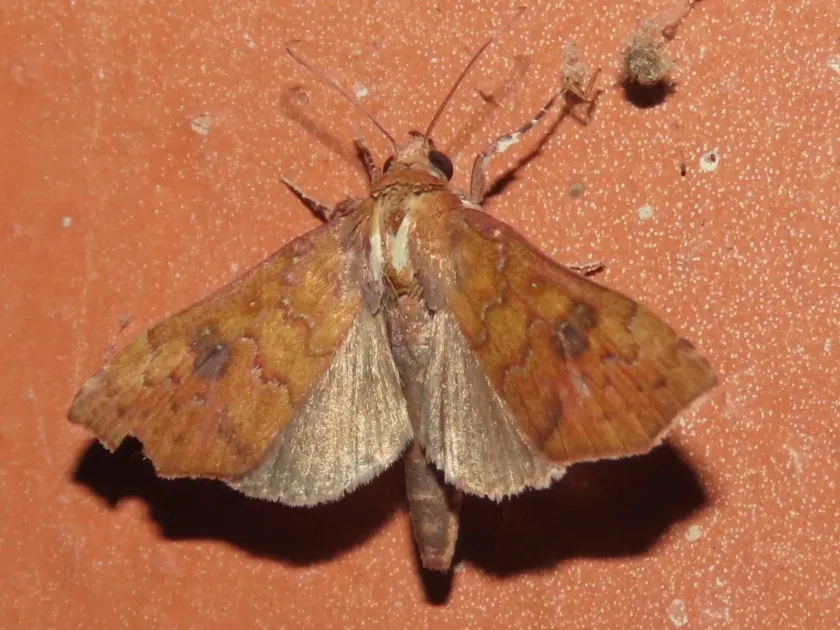
Anomis texana is a moth species belonging to the Erebidae family. It is a nocturnal insect, often referred to in agricultural literature as a type of semi-looper or leafworm, commonly affecting crops in warmer climates.
The adult moth has a wingspan of approximately 30 to 40 mm. Its wings exhibit a cryptic coloration, ranging from light brown to grey, which provides excellent camouflage against dead foliage and bark during the daytime.
The larvae, or caterpillars, progress through several instars. Early instars are often light green and blend in with the undersides of leaves, while later instars may become darker, making them harder to spot among dense vegetation.
Pupation typically occurs in silken cocoons spun within folded leaves or in the soil surface debris. This life stage is crucial, as it serves as the primary overwintering method for the population.
The life cycle is highly sensitive to climate conditions, with multiple generations possible during a single growing season if temperatures remain sufficiently high for continuous reproduction.
What it damages
The primary host for Anomis texana is cotton (Gossypium spp.). While they have a preference for malvaceous plants, they can occasionally be found on other hosts if the preferred food source is unavailable.
Larvae are foliage feeders. Young caterpillars scrape the epidermis of leaves, but as they grow, they consume entire leaf blades, often leaving only the primary veins, a symptom frequently described as skeletonization.
When populations reach high levels, larvae move beyond the foliage and begin attacking squares, flowers, and developing bolls, which significantly compromises the plant's reproductive success and yield.
Feeding damage reduces the photosynthetic area of the cotton plant, leading to stunted growth and delayed maturity, which ultimately impacts the quality and quantity of the harvested fiber.
The presence of wounds on the plant tissue creates entry points for secondary pathogens, such as bacteria and fungi, which can exacerbate the physical damage caused by the insect infestation.
Control measures
Integrated Pest Management (IPM) is the most effective approach. Cultural controls include deep plowing after harvest to bury pupae and disrupt the emergence of the next generation of adults.
Weed management is essential; controlling malvaceous weeds in and around the field prevents the buildup of larval populations before they can migrate to the main crop.
Biological control options involve the conservation or release of parasitoids like Trichogramma wasps, which target eggs, and the use of microbial insecticides like Bacillus thuringiensis.
Chemical control should be applied based on regular scouting and economic thresholds. It is vital to use selective insecticides that minimize harm to beneficial insects while effectively targeting the larvae.
Monitoring using pheromone or light traps helps agronomists track population spikes, allowing for targeted interventions before the larvae reach the late instars, when they are most destructive.
Taxonomy
- Latin name
- Anomis texana
- Order
- Lepidoptera (butterflies)
- Family
- Erebidae
- EPPO code
- ANOMTE
Discussion
No discussions yet — be the first.