
Cotton leafworm
Anomis luridula
Description
How to identify
Anomis luridula is a moth belonging to the family Erebidae. Formerly classified under Noctuidae, it is a well-known pest in various cotton-growing regions globally.
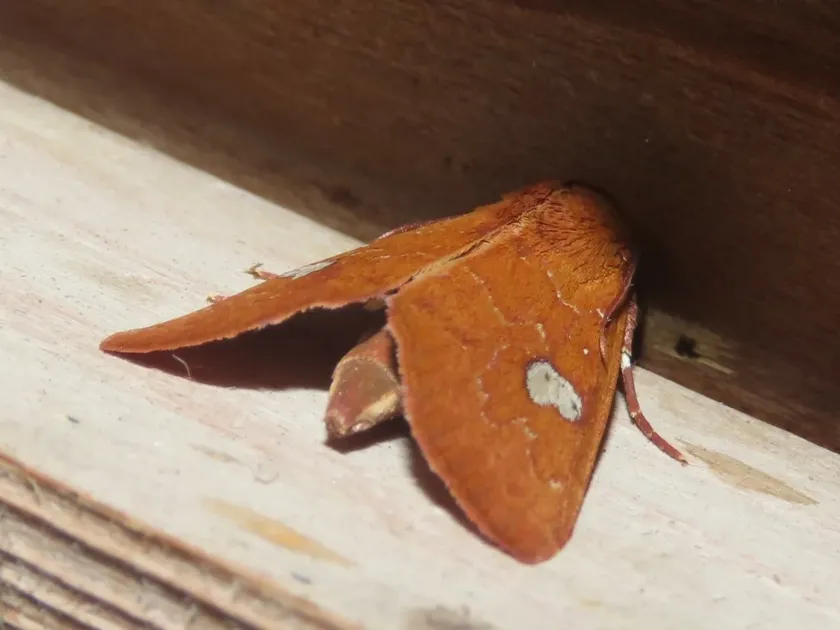
Adult moths have a wingspan ranging from 30 to 35 mm. Their forewings typically exhibit a mottled, yellowish-brown pattern, resembling withered leaves for camouflage.
The larvae, or caterpillars, go through several instars. Their coloration varies from pale green with distinct lateral lines to brownish shades as they approach pupation.
The caterpillars are equipped with standard lepidopteran structures, including thoracic legs and abdominal prolegs, facilitating their movement on host foliage.
Pupae are usually dark brown and are found within loose silken cocoons, often tucked inside folded leaves or in the debris near the base of the plant.
What it damages
The primary host for this species is the cotton plant (Gossypium). In certain regions, it may also infest other malvaceous plants and related wild vegetation.
Damage is caused by the larval stage. Caterpillars possess strong mandibles capable of consuming large amounts of leaf tissue, often leaving only the veins behind.
Defoliation reduces the photosynthetic capacity of the plant, which severely hinders vegetative growth and ultimately diminishes the overall plant vigor.
In cases of high infestation, larvae feed on buds and young bolls. This directly impacts the plant's reproductive potential, leading to significant yield losses.
Wounded plant tissues are prone to secondary infections by various fungal and bacterial pathogens, exacerbating the damage caused by the larvae themselves.
When it appears
The pest is most active during warm months. Population dynamics are heavily influenced by environmental factors such as temperature, rainfall, and humidity levels.
The life cycle is rapid in favorable conditions, allowing for multiple overlapping generations during a single growing season of the cotton crop.
Adult females lay their eggs primarily on the undersides of leaves, which provides a degree of protection against predators and direct exposure to weather.
Moths are nocturnal, showing peak activity levels during the night when they engage in feeding on nectar and seeking suitable sites for oviposition.
Since generations overlap, it is common to find various developmental stages of the insect on the same plant simultaneously, complicating control efforts.
Signs of infestation
The earliest signs of infestation include small, irregular holes in the leaves (skeletonization) caused by young larvae feeding on the leaf surface tissues.
Folded or tied leaves held together by silk threads are a clear indication of larval presence, as they use this shelter for protection against external threats.
The presence of frass (small, dark pellets) on the leaves or beneath the plant canopy is a strong indicator of an active and feeding larval population.
Using pheromone traps or light traps can help confirm the presence of adults, which serves as an early warning signal for potential future outbreaks.
Premature shedding of flower buds or young bolls is a common sign of infestation, often caused by caterpillars feeding deep within these reproductive structures.
Control measures
Cultural practices, such as deep plowing after harvest, are highly effective in destroying pupae that overwinter in the soil or crop residue.
Sanitation is key; removing malvaceous weeds from the field borders helps eliminate secondary breeding sites and reduces the overwintering population.
Biological control agents, including parasitic wasps like Trichogramma, can be utilized to parasitize egg masses and limit pest population growth.
If economic thresholds are reached, targeted application of selective insecticides is recommended to minimize impact on beneficial insects and pollinators.
Monitoring programs involving regular scouting and trap data analysis ensure that interventions occur at the most vulnerable stage of the pest's life cycle.
Taxonomy
- Latin name
- Anomis luridula
- Order
- Lepidoptera (butterflies)
- Family
- Erebidae
- EPPO code
- ANOMLU
Discussion
No discussions yet — be the first.