
Anomis illita
Anomis illita
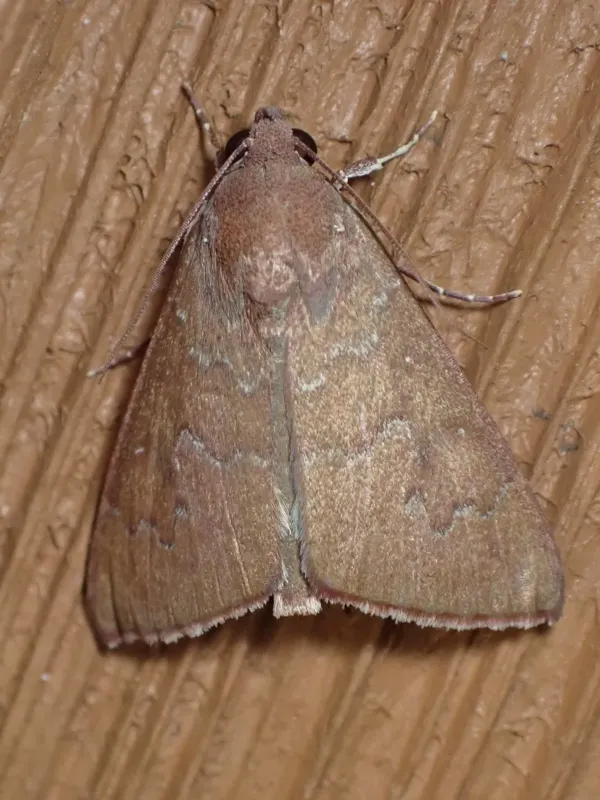
Description
How to identify
Anomis illita is a moth species belonging to the Erebidae family (formerly categorized within Noctuidae). As a significant pest, it requires precise identification to implement effective management programs.
The adult moth has a wingspan typical for its genus, with protective coloration that allows it to blend seamlessly into foliage. Adults are primarily nocturnal, making them elusive during daylight hours.
The life cycle encompasses a complete metamorphosis: egg, larva (caterpillar), pupa, and adult. Each stage is temperature-dependent, which dictates the seasonality of population surges.
Larvae pass through several instars, with late-stage caterpillars causing the most significant physical damage to the plant tissue due to their increased size and appetite.
Pupation generally occurs within protected areas such as folded leaves or in the shallow topsoil, protected by a light silken cocoon, which aids in surviving adverse weather conditions.
What it damages
The primary host plants for Anomis illita belong to the Malvaceae family, with cotton being the most commercially significant target for this pest.
The larvae feed voraciously on leaves. Under high-density infestations, they can defoliate plants, leaving only the primary veins, which is known as skeletonization.
This loss of leaf area drastically reduces the plant's photosynthetic capacity, leading to stunted growth, delayed maturation, and a significant decrease in total yield.
Beyond leaf tissue, the larvae may occasionally feed on tender shoots or buds if their primary food source is depleted, causing structural damage to the crop.
The economic damage is cumulative; as the infestation persists, the physiological stress on the plant makes it more susceptible to environmental factors and secondary infections.
Signs of infestation
Irregular, jagged holes in leaves are the most apparent early sign of larval feeding. Observing the canopy for localized leaf damage is essential for early detection.
The presence of frass (larval droppings) on the leaves or on the ground beneath the plant serves as a clear indicator of active feeding activity by the caterpillars.
Telltale silken webbing, used by larvae to pull leaf edges together, suggests the presence of mature or pupating caterpillars within the foliage.
The observation of adult moths using light traps or pheromone monitoring equipment during night hours provides data on the initiation of the pest's flight season.
Premature leaf drop or the wilting of specific plant sectors often points to intense localized feeding, warranting immediate inspection of the lower leaf surfaces.
Control measures
Integrated Pest Management (IPM) is the most effective approach to handle Anomis illita, combining cultural, biological, and chemical practices.
Cultural control measures, such as deep plowing after harvest, help disrupt the life cycle by destroying pupae hidden in the soil, significantly reducing the overwintering population.
Biological control agents, including entomopathogenic bacteria (e.g., Bt-based products) or natural predators, provide sustainable ways to manage larval populations without environmental degradation.
Monitoring using pheromone traps is critical to determine the economic threshold before applying synthetic insecticides, ensuring that chemical usage is targeted and efficient.
When chemical intervention is required, rotating insecticides with different modes of action is essential to prevent the development of pesticide resistance in the moth population.
Taxonomy
- Latin name
- Anomis illita
- Order
- Lepidoptera (butterflies)
- Family
- Erebidae
- EPPO code
- ANOMIL
Discussion
No discussions yet — be the first.