
Anisoplaca ptyoptera
Anisoplaca ptyoptera
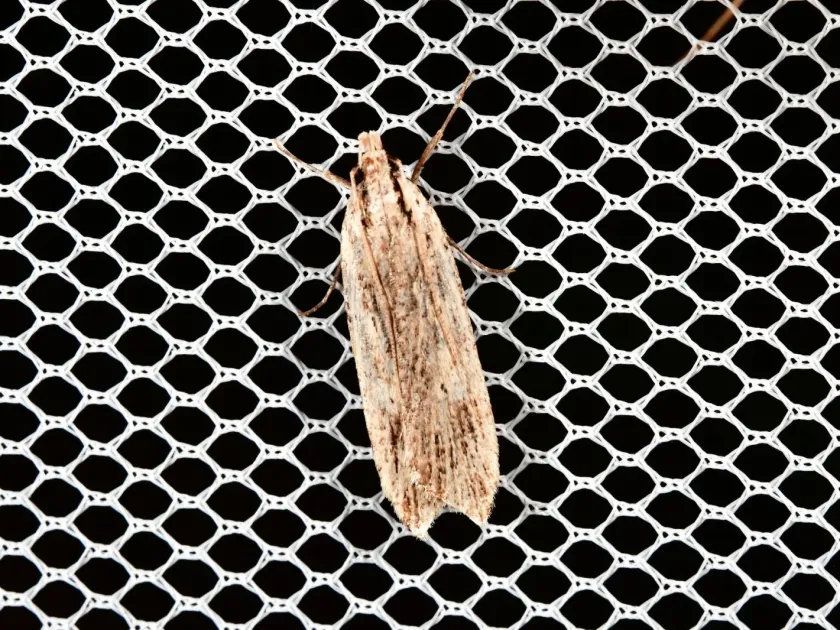
Description
How to identify
Anisoplaca ptyoptera belongs to the Gelechiidae family within the order Lepidoptera. These moths are characterized by their small size and cryptic habits, making them relatively difficult to spot in agricultural fields.
The adult moths possess narrow, fringed wings, which is a common trait among gelechiid species. Their coloration is typically drab, allowing them to blend into the bark or foliage of their host plants.
The larval stage consists of caterpillars with well-developed chewing mouthparts. These larvae are primarily responsible for the economic damage caused to cultivated crops.
Like other members of the order, they undergo complete metamorphosis. The length of each life stage is highly dependent on ambient temperatures and environmental moisture levels.
This species is found in temperate regions, where it has evolved to sync its lifecycle with the vegetative periods of its primary host plants.
What it damages
The larvae are the primary damaging stage, feeding on leaves, buds, and young shoots. This feeding behavior disrupts the growth cycle of the host plant.
In addition to direct feeding, the larvae often mine leaves, creating tunnels that destroy the mesophyll tissue and significantly reduce the photosynthetic capacity of the plant.
Severe infestations can lead to stunted plant growth, deformed leaves, and in some cases, the total loss of terminal shoots, which affects the plant structure.
The presence of larvae also creates entry points for secondary pathogens, such as fungi and bacteria, which can cause further tissue decay and plant health decline.
- Defoliation of sensitive crops.
- Mining of leaf blades.
- Damage to terminal buds.
- Reduced plant vigor and stunted development.
When it appears
Adult moths typically emerge in late spring, aligning their activity with the start of the plant growing season and the availability of tender new growth.
Eggs are usually laid on the undersides of leaves or within bud scales, ensuring that emerging larvae have immediate access to nutrients.
The larval feeding phase generally occurs throughout the summer months, with activity levels peaking during warm weather conditions.
Depending on local climatic conditions, the species may complete one or several generations annually, with the final generation often entering diapause.
Pupation typically occurs in protected locations such as leaf litter or cracks in the bark, providing a safe environment for the insect to survive unfavorable periods.
Signs of infestation
The presence of webbing on leaves and stems is a key indicator of infestation, as larvae use silk to create shelters for protection.
Frass (larval excrement) found on leaf surfaces or accumulating near the base of branches is a tell-tale sign of active larval feeding in the canopy.
Distinctive mine trails or holes appearing on leaves suggest that the larva is feeding internally, often protected from external environmental factors.
Wilting of young shoots is a classic sign of damage to the plant's vascular system or terminal growth centers caused by larval boring.
Visual confirmation of small, moth-like insects during twilight hours can indicate the presence of the pest and the start of the egg-laying cycle.
Control measures
Cultural control measures, such as pruning and destroying heavily infested branches or clearing leaf litter, help to reduce the pest population density.
Biological control, including the use of entomopathogenic bacteria or natural predators and parasitoids, provides an eco-friendly way to suppress larval populations.
Chemical control should be implemented based on scouting results, targeting the larval stage before they become protected by webbing or mine deep into tissues.
Monitoring using pheromone traps is an effective strategy to determine peak flight times, allowing for precise and efficient timing of protective spray programs.
Maintaining optimal plant health through proper fertilization and irrigation increases the plant's ability to tolerate or recover from minor damage caused by this pest.
Taxonomy
- Latin name
- Anisoplaca ptyoptera
- Order
- Lepidoptera (butterflies)
- Family
- Gelechiidae
- EPPO code
- ANIPPT
Discussion
No discussions yet — be the first.