
Anisoplaca
Anisoplaca
Description
How to identify
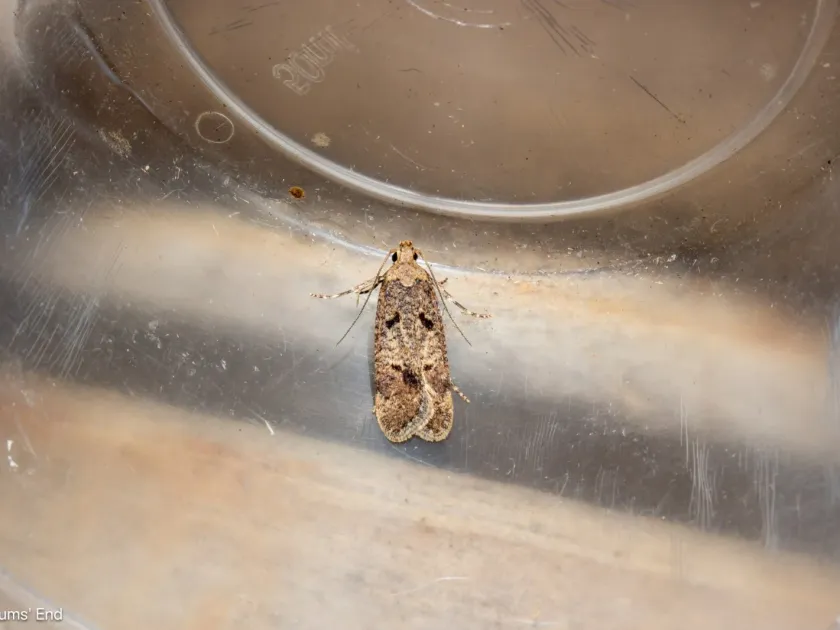
The genus Anisoplaca belongs to the order Lepidoptera and the family Gelechiidae (twirler moths). Adults are small moths characterized by their specific wing structure, including a notch on the outer margin of the hindwing.
The coloration of these moths is typically cryptic, blending in with tree bark or leaf litter. Their small size makes them difficult to spot in the field without the use of specialized monitoring pheromone traps.
Larvae (caterpillars) possess well-developed chewing mouthparts. Their bodies are often covered with fine setae or hairs, and their color can range from light green to brownish, depending on their host plant and stage of development.
The life cycle undergoes complete metamorphosis: egg, larva, pupa, and adult. Pupation generally occurs within sheltered areas, such as rolled leaves, crevices in bark, or sometimes within the soil.
Although the genus is not globally prominent, specific species act as localized pests that require constant monitoring in nursery and orchard environments to prevent significant damage.
What it damages
Anisoplaca species primarily affect woody plants and shrubs, focusing their damage on buds, young shoots, and foliage. The larvae are the main destructive stage of the life cycle.
Larval feeding involves consuming leaf parenchyma, leading to the formation of characteristic windows or complete skeletonization of the leaf tissue. This process significantly reduces the plant's photosynthetic efficiency.
When larvae damage buds in the early spring, it can cause the deformation of new growth or the total loss of terminal shoots, which affects the architectural development of the plant.
Damage to the plant tissue creates entry points for various secondary fungal and bacterial infections, which may further weaken the host and increase the severity of the damage.
In intensive horticultural systems, the presence of these caterpillars can result in stunted growth and a general decline in plant vigor, requiring proactive intervention.
When it appears
The activity of Anisoplaca is closely linked to the phenological stages of the host plants. The flight of the adults typically coincides with the beginning of the growing season and bud burst.
Larval activity is most pronounced during the first half of the summer, as they require significant nutritional resources during the period of rapid plant development.
Pupation usually occurs in mid-summer, although some species may have a second generation depending on the climatic zone and temperature conditions of the growing season.
Environmental factors such as high humidity and optimal temperatures promote the development and survival of the population. Hot and dry spells may lead to increased pest outbreaks.
Monitoring should begin early in the season, using traps to identify the arrival of adults and predict the timing of subsequent larval hatching to implement control measures effectively.
Signs of infestation
A primary sign of infestation is the presence of silk webbing or leaves rolled together, which the caterpillars use as a protective shelter while they feed.
The presence of frass (larval excrement) on leaves or around the base of the plant is a clear indication that a colony of larvae is actively feeding on the foliage above.
Stunted or distorted growth of young shoot tips is another indicator of infestation, often suggesting that caterpillars have damaged the apical buds or tender young leaves.
Premature yellowing or shedding of leaves that exhibit signs of irregular eating patterns indicates a localized infestation that needs to be assessed.
Pheromone traps are the most reliable tool for identifying the species and assessing the population density, ensuring that control actions are taken based on real-time data.
Control measures
Cultural control is the first line of defense; this includes pruning and destroying infested shoots to reduce the population and remove overwintering sites.
Biological control using Bacillus thuringiensis sprays has proven effective against younger larval stages while preserving beneficial insects and the ecological balance of the garden.
For high-density populations, application of contact or systemic insecticides may be necessary, provided they are approved for use on the specific crops and applied at the correct stage.
- Maintain regular monitoring to detect the first signs of activity.
- Encourage natural predators by providing habitats for insectivorous birds and beneficial bugs.
- Implement balanced irrigation to ensure plants remain resilient against larval damage.
Integrated Pest Management (IPM) strategies, combining monitoring, cultural practices, and selective chemical interventions, remain the best way to handle Anisoplaca without harming the environment.
Taxonomy
- Latin name
- Anisoplaca
- Order
- Lepidoptera (butterflies)
- Family
- Gelechiidae
- EPPO code
- ANIPSP
Discussion
No discussions yet — be the first.