
Angitia plutellae
Angitia plutellae
Description
How to identify
Angitia plutellae (scientific name Diadegma semiclausum) is a specialized parasitic wasp belonging to the Ichneumonidae family. It is widely recognized by agronomists as a primary natural enemy of the diamondback moth (Plutella xylostella).
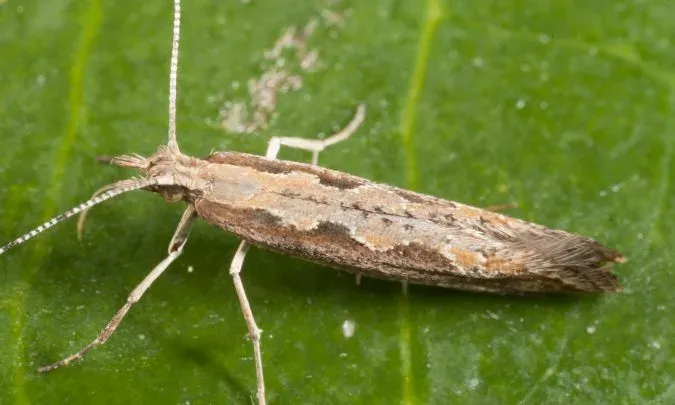
Adult wasps are small, slender insects, typically measuring 5 to 7 mm in length, with a dark body and transparent wings, making them difficult to spot without close inspection of the crop canopy.
The female wasp is equipped with an elongated ovipositor, an organ specifically evolved to penetrate the silk webbing of diamondback moth caterpillars and deposit eggs inside their host.
The life cycle involves the larvae developing endoparasitically within the caterpillar. As the parasite matures, it consumes the internal tissues of the host, eventually killing it before pupation.
Its high searching efficiency allows the wasp to locate host larvae even at low population densities, maintaining a constant biological balance within vegetable plantations.
What it damages
As a beneficial parasitoid, Angitia plutellae causes no damage to crops. Instead, it serves as a crucial ally in agricultural production by preventing major losses caused by caterpillar pests.
Without the regulating effect of such natural enemies, the diamondback moth can cause severe defoliation of cabbage, cauliflower, broccoli, and canola, leading to total crop failure in extreme cases.
By parasitizing the caterpillars, the wasp halts the feeding cycle of the pest, protecting the plant's leaf surface area and ensuring the proper development of the harvested parts.
Effective parasitism by Angitia reduces the need for synthetic insecticide applications, thereby supporting the long-term health and sustainability of the soil ecosystem.
In well-managed agroecosystems, the presence of these wasps is an indicator of high ecological stability and reduced pest pressure from lepidopteran larvae.
When it appears
The activity of these wasps usually aligns with the developmental cycle of the diamondback moth, beginning in early spring and continuing throughout the summer and autumn months.
Multiple generations can occur throughout the growing season, with the number of cycles being largely dependent on temperature and the availability of host caterpillars.
Wasps are most active during warm, sunny weather, when they fly between plants to search for suitable hosts to parasitize, ensuring continuous suppression of the pest population.
As temperatures begin to drop in late autumn, the wasp enters a diapause state, often overwintering as a pupa within the remains of the host in plant debris or soil.
Monitoring the flight activity of adults during the peak growing phase is essential for assessing the biological control potential in a specific field location.
Signs of infestation
Signs of successful parasitism include finding lethargic or dead diamondback moth caterpillars that appear swollen or have stopped feeding prematurely.
A definitive sign is the presence of small, whitish, or brownish silk cocoons attached to the underside of leaves or within the leaf folds where the host caterpillars were active.
Observing adult wasps hovering near flowering weeds or crop edges provides strong evidence of a healthy population of this beneficial insect in the immediate environment.
Dissecting suspected caterpillars under a microscope often reveals the developing larva or pupa of the parasitoid, confirming the specific cause of mortality.
The reduction of characteristic "shot-hole" damage on leaves, despite the presence of the pest, is a positive indicator that biological control is functioning effectively.
Control measures
Conserving Angitia plutellae populations requires a shift towards integrated pest management (IPM) practices, specifically avoiding broad-spectrum insecticides that harm beneficial insects.
When chemical intervention is necessary, growers should select biorational products, such as those containing Bacillus thuringiensis, which target caterpillars specifically without affecting the wasp.
Maintaining floral strips or nectar-rich borders around fields is highly recommended, as adult wasps rely on nectar for the energy required for mating and host searching.
- Restrict the use of synthetic pyrethroids during the wasp's active flight season.
- Encourage local biodiversity to provide shelter for overwintering generations.
- Implement crop residue management to support natural parasitoid survival.
- Regularly monitor fields to ensure chemical applications do not disrupt existing biological control.
By fostering a favorable environment for this parasitoid, farmers can significantly reduce their reliance on expensive chemical inputs and improve overall crop profitability.
Taxonomy
- Latin name
- Angitia plutellae
- Order
- Hymenoptera
- Family
- Ichneumonidae
- EPPO code
- ANGIPT
Discussion
No discussions yet — be the first.