
Angitia fenestralis
Angitia fenestralis
Description
How to identify
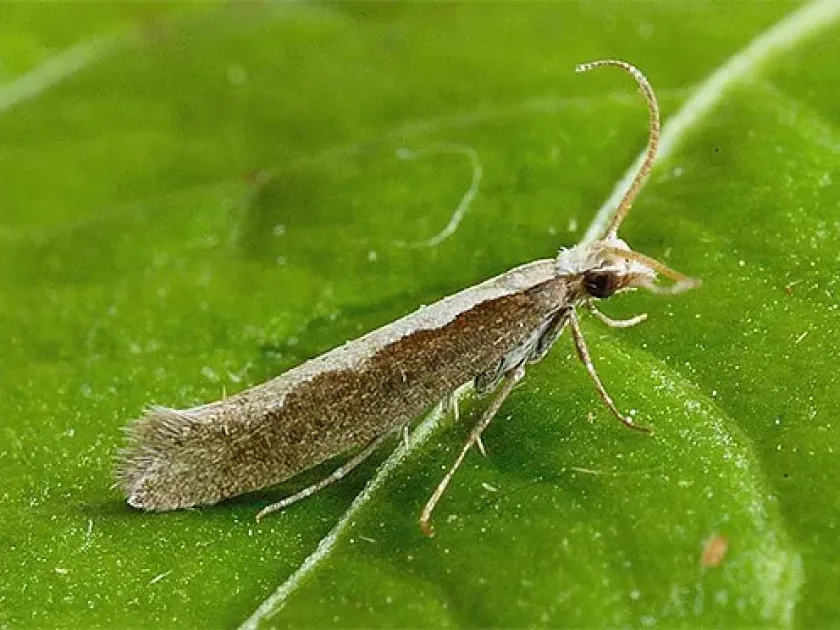
Angitia fenestralis (syn. Diadegma fenestrale) belongs to the Ichneumonidae family within the order Hymenoptera. It is a specialized parasitoid wasp that plays a vital role as a biological control agent in vegetable production.
The adult wasp is small with a slender body, typical for its family. It has dark coloration and long antennae, which it uses to locate its hosts within the dense canopy of cabbage plants.
The larval stage is internal; it develops entirely inside the body of the cabbage moth larvae. This specific behavior allows it to effectively suppress pest populations from within.
In field conditions, identifying the species requires entomological expertise, as it is often overlooked due to its small size and cryptic behavior.
It is important to classify this insect as a beneficial parasitoid rather than a pest. Conservation of its population is a key component of sustainable agricultural practices.
What it damages
This insect does not damage crops directly. Its ecological role is that of a predator/parasitoid that keeps populations of the cabbage moth (Plutella xylostella) in check.
Cabbage crops suffer from the cabbage moth, which consumes foliage and bores into the heads. This damage leads to aesthetic loss and potential secondary infections by bacteria or fungi.
When the population of Angitia fenestralis is low, the uncontrolled growth of the cabbage moth population leads to severe defoliation and significant harvest losses.
The indirect benefit of the wasp is the preservation of leaf surface area, which is essential for the plant's photosynthesis and proper head formation in brassica vegetables.
Therefore, the presence of the wasp is economically beneficial, as it provides a natural regulatory service that reduces the need for synthetic pesticide applications.
When it appears
The life cycle of the wasp is closely linked to the seasonal activity of its primary host, the cabbage moth. Adults emerge in spring when the first generation of moths becomes active.
Throughout the summer growing season, the wasp completes multiple generations, keeping pace with the moth's reproduction and ensuring constant suppression of the pest.
As autumn approaches, the wasp prepares for winter. The most common overwintering stage is the pupa, protected within a silk cocoon hidden in plant debris.
Temperature and humidity levels influence the activity of these wasps. Optimal conditions during the main growing season lead to higher rates of parasitism.
The synchronization between the predator and the pest ensures that the biological control remains effective even under fluctuating environmental conditions during the season.
Signs of infestation
One indicator of the wasp's activity is the decline in the overall vigor and survival rate of cabbage moth larvae in the field.
Visible signs include the presence of empty silken cocoons attached to the undersides of leaves or buried within remnants of cabbage foliage after the larvae have been consumed.
If caterpillars seem sluggish, stop feeding, or fail to complete their pupation cycle, they are likely parasitized by the Angitia wasp.
Dissection of the larvae in a laboratory setting reveals the developing parasitoid inside, confirming the species' presence and effectiveness in a specific area.
A successful biocontrol effort is indicated by the lack of massive pest outbreaks despite the presence of individual cabbage moth eggs or early-stage larvae.
Control measures
Effective management focuses on creating an environment that supports the wasp population. Broad-spectrum pesticides should be avoided, as they kill beneficial insects as well as pests.
Integrated Pest Management (IPM) strategies suggest using targeted, biorational insecticides that minimize harm to the parasitoid population while managing pests.
Planting flower strips or nectar-rich borders around vegetable fields provides essential nutrients for adult wasps, increasing their lifespan and reproductive success.
Crop residue management should be carried out carefully to avoid destroying overwintering pupae, ensuring that the next generation of wasps can emerge in the spring.
Regular monitoring using pheromone traps for the host moth helps determine if chemical intervention is necessary, allowing for a balanced approach to crop protection.
Taxonomy
- Latin name
- Angitia fenestralis
- Order
- Hymenoptera
- Family
- Ichneumonidae
- EPPO code
- ANGIFN
Discussion
No discussions yet — be the first.