
Ancylostomia
Ancylostomia
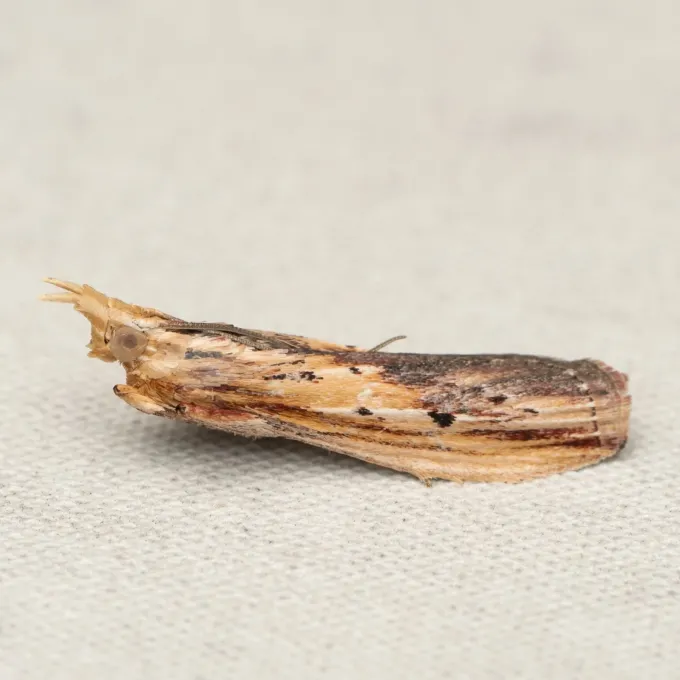
Description
How to identify
Ancylostomia (Latin: Ancylostomia) is a genus of microscopic organisms classified as nematodes, which can act as significant plant parasites. These organisms typically inhabit soil environments and focus their feeding activity on the root systems of various agricultural crops.
Identification of this pest is challenging due to its microscopic size. Accurate diagnosis requires professional laboratory analysis, where soil samples or root tissues are examined under high-power microscopes to detect the presence of larvae or adult nematodes.
The biological lifecycle of Ancylostomia is complex, consisting of several larval stages that can survive for extended periods in the soil in a quiescent state. The pest is highly adapted to dormant conditions, awaiting the appearance of suitable host plant roots.
Reproduction is highly dependent on environmental factors, particularly soil moisture and temperature levels. Once active, the population can expand rapidly, creating severe infestation pockets across agricultural fields if left untreated.
Agricultural monitoring programs are essential to detect the early signs of presence before the pest causes irreversible damage to the root structure of the crop. Regular field inspections are a cornerstone of professional phytosanitary practice.
What it damages
Ancylostomia targets a wide range of host plants, including major grain, vegetable, and horticultural crops. The damage is primarily concentrated on the root system, which disrupts the plant's ability to maintain vital metabolic processes.
As the nematode feeds on the root cells, the plant experiences inhibited growth and nutrient uptake. This often manifests as chlorosis, leaf wilting, and overall stunted development, significantly reducing the final yield potential of the crop.
Secondary infections often exacerbate the damage caused by Ancylostomia. Fungal and bacterial pathogens easily enter the plant through the wounds created by the nematodes, leading to root rot and complete decay of the underground biomass.
Large-scale infestations can cause total field failure, as affected areas become depleted of nutrient-absorbing root mass. Recovering such fields often requires intense remediation efforts and long-term exclusion of susceptible crop species.
Economic losses are compounded by the costs of soil decontamination and the increased use of chemical or biological control agents required to stabilize the health of the soil and restore the production capacity of the land.
Control measures
Crop rotation is the most effective preventative measure against Ancylostomia. By planting non-host species in infested fields for several seasons, the nematode population can be naturally starved, reducing the risk of future outbreaks.
Aggressive weed control and deep tillage help to disturb the soil environment, limiting the pest's ability to survive. Maintaining optimal soil structure and managing drainage can also create conditions that are unfavorable for the development of the pest.
Chemical control involving the application of certified nematicides is used in severe cases. These products are generally applied to the soil prior to planting to ensure the protection of the root zone during the vulnerable early stages of crop development.
Biological control solutions, such as the use of predatory fungi or beneficial soil bacteria, are gaining traction. These biological agents offer a sustainable approach to suppressing nematode populations without the negative environmental impact of traditional chemicals.
- Strict quarantine of soil and planting equipment to prevent field-to-field spread.
- Usage of resistant or tolerant crop varieties where available.
- Frequent laboratory testing of soil quality during pre-planting stages.
Taxonomy
- Latin name
- Ancylostomia
- Order
- Lepidoptera (butterflies)
- Family
- Crambidae
- EPPO code
- ANCSSP
Discussion
No discussions yet — be the first.