
Ancylolomia
Ancylolomia
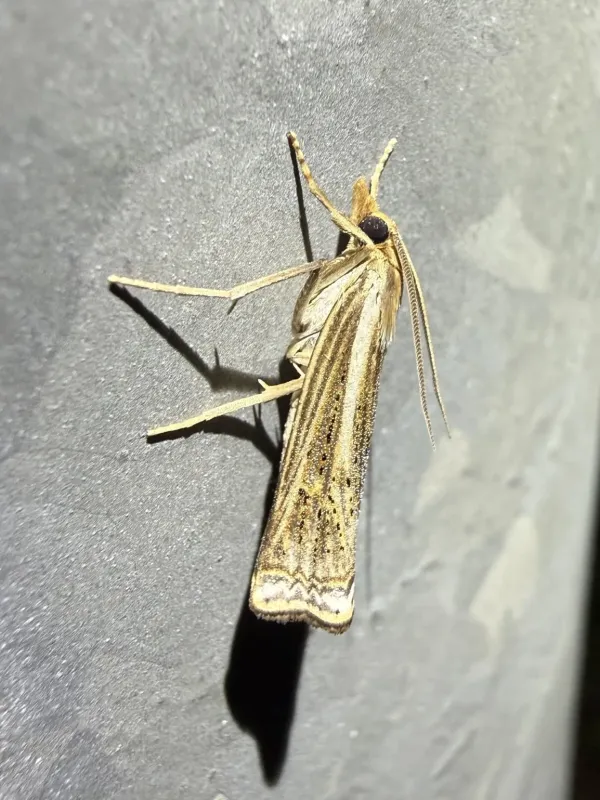
Description
How to identify
Ancylolomia is a genus of moths belonging to the family Crambidae (grass moths). These moths are characterized by long, narrow wings with pointed tips, which allow them to remain well-camouflaged among dry grass stems.
The larvae, or caterpillars, are typically 20-25 mm long. They have a cylindrical, pale-colored body and a distinctively dark, sclerotized head capsule, which helps them burrow into the stalks of host plants.
The lifecycle follows a complete metamorphosis pattern: egg, larva, pupa, and adult. Females lay eggs on soil or at the base of host plants, ensuring that neonate larvae can reach their food source immediately.
As members of the order Lepidoptera, these insects are highly adaptive. In warmer agricultural regions, they can complete multiple generations in a single year, leading to rapid population growth during the growing season.
Overwintering occurs primarily as late-instar larvae within the soil profile or inside plant debris. This biological strategy allows them to survive cold winters and emerge as pests early in the spring.
What it damages
Ancylolomia caterpillars are notorious polyphagous pests that prefer cereal crops such as rice, wheat, corn, and sorghum. They cause significant economic losses by targeting the young, developing stages of these plants.
The larvae initially feed on the surface tissues of leaves. As they grow, they move to the base of the stem, where they tunnel into the plant, causing it to weaken significantly and eventually collapse.
A common symptom of severe infestation is the death of the central shoot or panicle, often referred to as "deadheart." This halts the plant's development and prevents the formation of grain, leading to sparse crop stands.
In addition to feeding damage, the entry holes created by the larvae provide easy access for secondary pathogens, including bacteria and fungi, which can exacerbate the decline of the crop.
Under favorable conditions, high densities of caterpillars can devastate large areas of farmland. Without proper intervention, infestation levels can reach thresholds that make harvesting uneconomical.
Signs of infestation
One of the earliest signs of an Ancylolomia infestation is the presence of yellowing or wilting plants scattered across the field. These patches typically expand if the larval population is not contained.
Closer inspection reveals silk-like webbing at the base of the stalks, which the larvae use for protection. These structures are often mixed with larval frass, appearing as small, dark pellets near the entry point.
At dusk, adult moths can be seen flying low over the crops. Their slender shape and rapid, erratic flight pattern are key indicators that an egg-laying cycle is in progress.
The "deadheart" effect, where the inner leaves wither while the outer ones remain temporarily green, is a hallmark of stem-boring damage caused by these caterpillars.
If you remove a damaged plant from the soil, you may find the larva itself hiding within the stem base or in a silk-lined tube just beneath the soil surface, especially during the early morning hours.
Control measures
Cultural control is the first line of defense. Deep plowing of the soil after harvest is highly effective at destroying the overwintering larvae and pupae, drastically reducing the initial population for the next season.
Crop rotation is essential. By planting non-host crops, farmers can effectively starve the larvae and prevent the establishment of a localized population of Ancylolomia on the field.
Chemical control involves the use of systemic or contact insecticides. Applications should be timed precisely to coincide with the hatching of the first and second larval instars, as they are most vulnerable at this stage.
Biological control methods, including the release of egg parasitoids or the use of microbial agents like Bacillus thuringiensis, offer environmentally friendly alternatives to heavy synthetic pesticide use.
- Use light traps to monitor adult flight and determine the optimal timing for chemical applications.
- Maintain clean field borders to eliminate weeds that may host the pest during off-seasons.
- Conduct regular field scouting during the vegetative phase to identify early infestation pockets before they spread.
Taxonomy
- Latin name
- Ancylolomia
- Order
- Lepidoptera (butterflies)
- Family
- Crambidae
- EPPO code
- ANCLSP
Discussion
No discussions yet — be the first.