
Anasa scorbutica
Anasa scorbutica
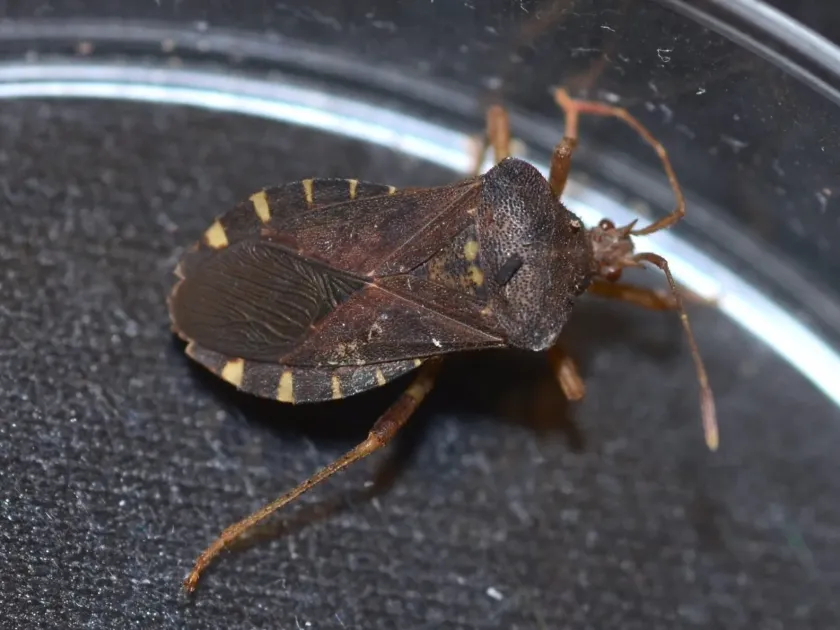
Description
How to identify
Anasa scorbutica is a species of insect belonging to the family Coreidae (leaf-footed bugs) within the order Hemiptera. These insects are well-known pests in various agricultural regions, particularly in tropical and subtropical areas.
Adult bugs typically have an elongated, brownish body with a robust structure. Their head features a long proboscis used for piercing plant tissues and extracting sap, which is a hallmark of the hemipteran feeding habit.
Like many members of the Coreidae family, Anasa scorbutica possesses scent glands that release a pungent odor when the insect is disturbed. This is a primary defensive mechanism against predators.
The life cycle follows incomplete metamorphosis, meaning the nymphs resemble miniature versions of the adults but lack wings. They go through five nymphal instars before reaching sexual maturity.
Proper identification is often based on the specific shape of the hind tibiae and the markings on the connexivum (the edges of the abdomen), which help distinguish this species from other related coreids.
What it damages
This pest primarily targets plants in the Cucurbitaceae family, including pumpkins, squashes, cucumbers, and melons. They are highly attracted to the succulent stems and leaves of these crops.
The feeding activity involves piercing the plant tissues, which disrupts the flow of nutrients and water. This often causes systemic weakness in the plant, making it more susceptible to other stressors.
The characteristic damage includes yellowish spotting on the leaves, which can expand into necrotic lesions. If the infestation is severe, the leaves may wilt completely and turn brown.
Young fruits are especially vulnerable; feeding on them often leads to severe deformation, scarring, and stunted growth, rendering the harvest unmarketable.
Furthermore, the physical damage caused by the proboscis creates entry points for various phytopathogens, potentially leading to secondary fungal or bacterial infections within the plant tissues.
When it appears
The activity of Anasa scorbutica is strongly correlated with the growing season of its host plants. Adults typically emerge from hibernation as temperatures rise in the spring.
They spend the winter in protected environments such as leaf litter, under bark, or within soil crevices. Once the cucurbit crops start emerging, the bugs migrate to these fields to feed and mate.
Multiple generations can occur throughout the year, provided the climate remains warm and food sources are available. Peak populations are often observed during the mid-to-late summer months.
As the daylight decreases and temperatures drop in the autumn, the bugs look for overwintering sites, entering a period of diapause until the next cycle begins.
The duration and intensity of these seasonal cycles vary depending on local weather conditions and the specific crop management practices in the region.
Signs of infestation
Early signs of an infestation include small, chlorotic dots on the leaf surface. These dots are the direct result of the insects' piercing-sucking feeding method.
Searching for egg masses is a reliable way to detect the pest early. The eggs are typically laid in clusters on the undersides of leaves and have a distinct, often bronze or gold-like appearance.
Dark, pinpoint spots on the foliage, which are the excrement of the bugs, are another clear indicator that a population is present and feeding actively.
In cases of heavy infestation, you may see the bugs themselves congregated on stems or at the base of the plant, particularly during the cooler morning or evening hours.
- Yellow or brown necrotic spotting on leaves.
- Wilting of entire leaves or stems despite adequate soil moisture.
- Distorted and misshapen fruit development.
- Visible presence of nymphs and adults on the underside of foliage.
Control measures
Integrated Pest Management (IPM) is crucial for controlling Anasa scorbutica. Cultural practices, such as removing crop debris and tilling the soil, are effective in destroying overwintering habitats.
Hand-picking the insects is a feasible solution for small-scale gardens. Collecting eggs during regular scouting can significantly reduce the potential population size before nymphs hatch.
Biological control agents, including parasitic wasps and predatory insects, can help maintain the population density below the economic threshold in healthy ecosystems.
When chemical intervention is necessary, targeted application of soft pesticides or horticultural oils can be used to manage nymph stages while minimizing the impact on beneficial pollinators.
Crop rotation remains one of the most effective strategies. By not planting cucurbits in the same location year after year, farmers can break the life cycle of the pest and reduce its ability to re-establish.
Taxonomy
- Latin name
- Anasa scorbutica
- Order
- Hemiptera (bugs, aphids, leafhoppers)
- Family
- Coreidae
- EPPO code
- ANASSC
Discussion
No discussions yet — be the first.