
Anarsia spartiella
Anarsia spartiella
Description
How to identify
Anarsia spartiella is a species of moth belonging to the Gelechiidae family within the order Lepidoptera. This small moth is primarily recognized for its specific host plants within the legume family.
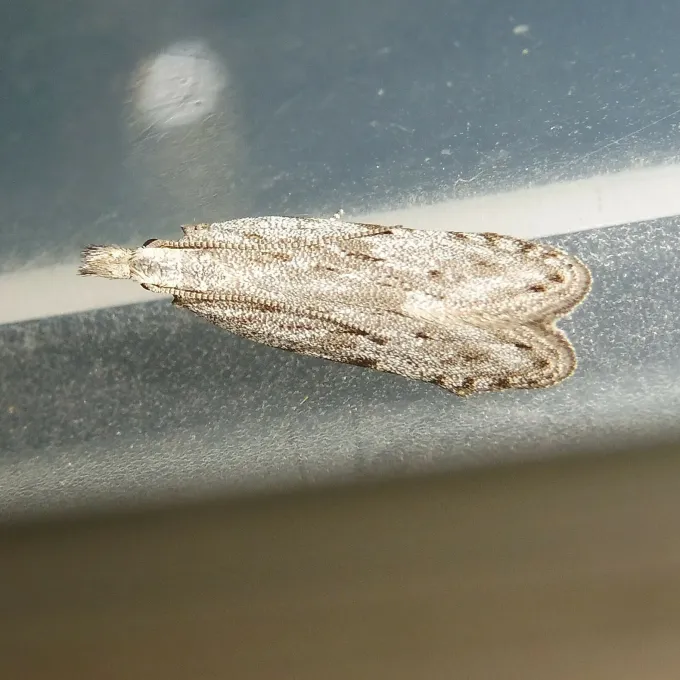
The adult moth exhibits brownish-gray wings with subtle dark markings, providing effective camouflage against the bark and foliage of host plants. The hindwings possess a distinct fringe, a common feature of this family.
The life cycle undergoes complete metamorphosis, including egg, larva, pupa, and adult stages. The larvae are the primary stage responsible for plant damage, growing through several instars.
The species is native to temperate climates. Overwintering typically occurs in the larval stage, often within silk cocoons tucked into bark crevices or hidden among dead leaves.
Understanding its biology is crucial for timing control interventions, as the larvae are most vulnerable during their early stages of emergence and active feeding on fresh plant tissue.
What it damages
The larvae primarily attack plants of the Fabaceae family, with broom (Cytisus) and gorse (Ulex) being common hosts. They feed on buds, leaves, and tender young shoots.
Larval activity includes boring into the shoots, which disrupts vascular flow and causes the tips of the plants to wither and die, a condition often referred to as "dieback".
In addition to structural damage, the moth causes significant aesthetic degradation of ornamental shrubs, making them look unkempt and stunted due to the persistent removal of new growth.
Heavy infestations can lead to substantial foliage loss, which stresses the plant, reduces its vigor, and makes it more susceptible to secondary infections from bacteria and fungi.
In nurseries, the presence of Anarsia spartiella can lead to stunted growth and poor branching, reducing the marketability and overall quality of the nursery stock.
Signs of infestation
The most prominent sign is the presence of webbed clusters of leaves or buds tied together by larvae. These "nests" serve as protection while the larvae feed inside.
Wilted or browning shoot tips are a strong indicator of larval boring. Examining these shoots often reveals small entry holes and larval frass accumulation around the damage point.
Visible defoliation or irregular holes in the foliage, accompanied by fine webbing, clearly indicate that the larvae have been active on the plant for several days.
Premature bud drop or buds that fail to open during the blooming season often point to internal damage caused by the larvae consuming the reproductive organs.
Observations made in late spring reveal the presence of caterpillars when they are most active in building their protective structures on the plant's terminal branches.
Control measures
Sanitation is a primary control method; removing and destroying infested shoot tips early in the season can significantly reduce the local population of the pest.
Chemical control using systemic or contact insecticides should be timed to coincide with the larval emergence period for maximum efficacy against the pest population.
Biological control, including the encouragement of natural predators such as parasitic wasps and predatory beetles, can help keep populations below the economic threshold in gardens.
Monitoring using pheromone traps is highly recommended to detect the presence and peak flight activity of adult moths, allowing for precise timing of preventive measures.
- Regular inspection of legume shrubs during spring.
- Pruning and removal of affected shoots.
- Use of biological insecticides based on Bacillus thuringiensis.
- Maintenance of plant health to ensure vigorous growth.
Taxonomy
- Latin name
- Anarsia spartiella
- Order
- Lepidoptera (butterflies)
- Family
- Gelechiidae
- EPPO code
- ANARSL
Discussion
No discussions yet — be the first.