
Strawberry moth
Anacampsis fragariella
Description
How to identify
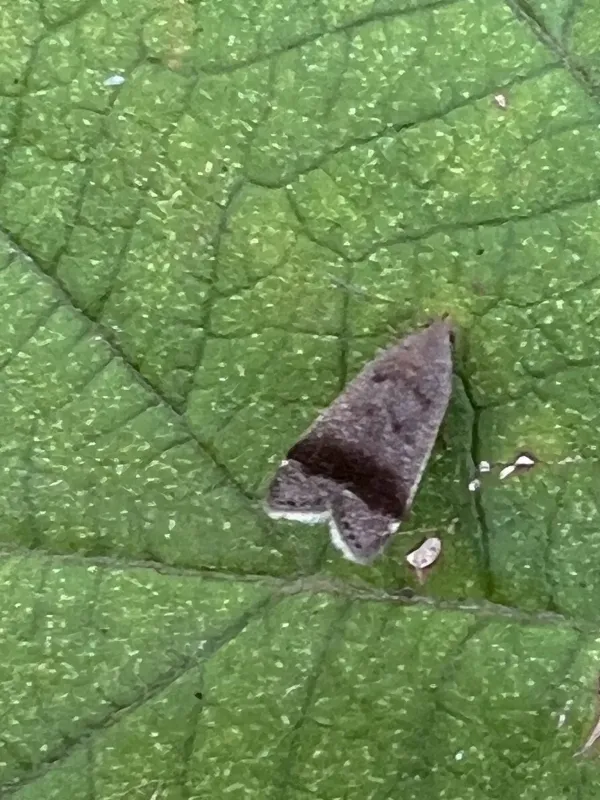
The strawberry moth (Anacampsis fragariella) is a species of moth belonging to the family Gelechiidae. It is a known pest for strawberries, characterized by its cryptic larvae that hide within the foliage.
The adult moth is small and typically possesses narrow wings, which is a hallmark of the Gelechiidae family. Their coloration often helps them blend in with the surrounding environment, making detection difficult.
The lifecycle consists of four stages: egg, larva, pupa, and adult. The larval stage is the one responsible for the primary damage to strawberry plants, as they require significant nutrition to reach maturity.
Overwintering usually takes place in the larval stage, tucked away in cocoons either in plant debris or just beneath the soil surface, highlighting the importance of garden sanitation.
Pupation occurs within leaves that the larvae have spun together with silk, creating a protective enclosure that keeps them safe from various environmental pressures.
What it damages
The primary host for this pest is the cultivated strawberry (Fragaria × ananassa). The larvae feed on both leaves and reproductive parts, which can severely impact yield.
By skeletonizing the leaves, the larvae impair the plant's ability to perform photosynthesis, causing the strawberry plants to become stunted and less vigorous throughout the growing season.
Damage to the blossoms and developing fruit is particularly concerning, as it directly translates to a reduction in the harvest quantity and a loss of fruit quality for the market.
The wounds created by the larvae provide entry points for secondary infections, such as bacterial or fungal pathogens, which can exacerbate the damage done by the moth alone.
In cases of severe infestation, the cumulative effect of foliage destruction and flower damage can lead to a significant economic loss for commercial growers if left unmanaged.
When it appears
Adult moths usually emerge in late spring or early summer, depending on the local climate and temperature gradients, which dictates the timing of the first larval generation.
The period of peak activity for the larvae typically aligns with the plant's flowering and fruiting stages, making this the most critical time for vigilant scouting and protection efforts.
Depending on the region, the insect may complete one or two generations per year, necessitating a sustained monitoring strategy to prevent a buildup in population density.
Warm, dry weather can accelerate the development of the larvae, leading to more frequent feeding cycles and potentially faster spread across the strawberry plot.
As autumn temperatures begin to drop, the larvae seek out hibernation sites, ending their active phase and transitioning into the overwintering stage for the duration of the winter months.
Signs of infestation
The most recognizable sign of an infestation is the presence of curled or rolled leaves that are held together by fine strands of silk, housing the larvae inside.
Irregular, patchy feeding marks on the leaves, which often turn brown and desiccated, are clear indicators that the strawberry moth is active within the patch.
Fine webbing visible on the flower stalks or between foliage indicates the presence of larvae that are moving between feeding sites and preparing their protective chambers.
Distorted growth patterns in the crown or leaves, along with visible frass (excrement) around the damage sites, serve as reliable clues for identifying the moth's presence.
Careful inspection of the underside of leaves or the inside of rolled foliage will typically reveal the small, mobile larvae, confirming the need for immediate management actions.
Control measures
Cultural control, such as removing and destroying infested plant material immediately after harvest, is highly effective at reducing the overwintering population.
Maintaining a clean patch free of weeds and debris eliminates secondary hosts and hides for the moths, discouraging them from establishing a permanent presence.
Biological control agents, including specific bacteria or fungi, can be applied to manage larval populations without leaving toxic residues on the strawberries.
Chemical interventions should be limited to pre-flowering or post-harvest periods to ensure consumer safety and protect beneficial pollinators visiting the strawberry flowers.
- Use pheromone traps for early detection of adult moths.
- Practice crop rotation to break the pest's lifecycle.
- Regularly prune damaged foliage to limit the spread of larvae.
Taxonomy
- Latin name
- Anacampsis fragariella
- Order
- Lepidoptera (butterflies)
- Family
- Gelechiidae
- EPPO code
- ANKSFR
Discussion
No discussions yet — be the first.