
Ammalo
Ammalo
Description
How to identify
Ammalo is a genus of moths belonging to the family Erebidae and the subfamily Arctiinae, commonly known as tiger moths. These insects are characterized by a robust body covered with dense hair.
Adult moths typically have a wingspan ranging from 40 to 60 mm, with patterns and colors designed for camouflage against tree bark or foliage.
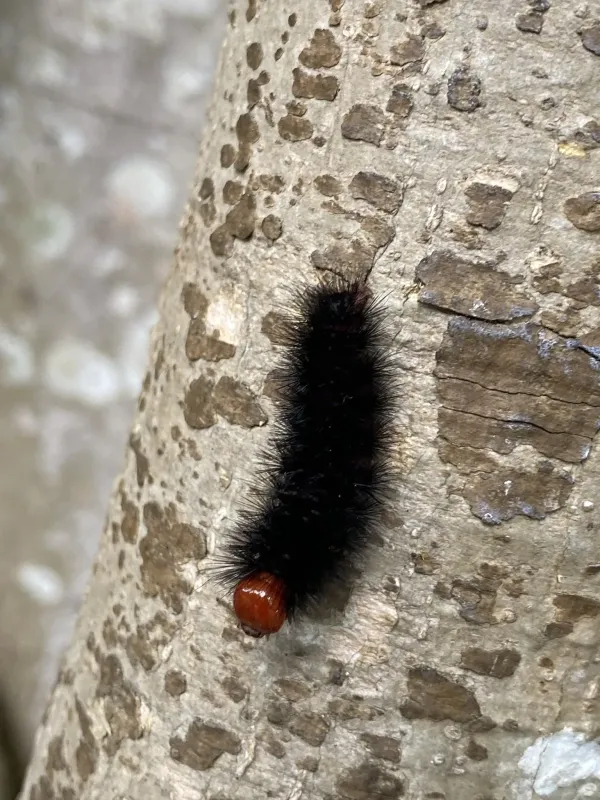
The larvae, or caterpillars, are known for their distinct dense setae (hairs), which serve as a primary defense mechanism against avian predators and environmental stress.
The head of the caterpillar is often brightly colored, a trait frequently associated with chemical defense mechanisms in this group of insects.
Taxonomically, the genus contains several species that are best identified through careful observation of wing venation and genital structure by specialized entomologists.
What it damages
The larvae of the Ammalo genus are polyphagous, meaning they feed on a wide variety of plant species, particularly targeting ornamental shrubs and garden plants.
Feeding damage begins with young caterpillars skeletonizing the leaves, which progresses to complete defoliation if the population density is high.
By consuming leaf tissue, the caterpillars disrupt the plant's ability to perform photosynthesis, significantly weakening the host and reducing its overall vigor.
In addition to foliage, larvae may feed on tender buds and emerging shoots, leading to distorted growth and structural damage to the plants.
Severe infestations in nursery settings can lead to significant economic loss due to the diminished aesthetic quality and health of the ornamental stock.
When it appears
The activity cycle of Ammalo is largely dependent on regional temperatures, with peak populations occurring during the warmer months of the year.
The insects typically undergo multiple generations per season, with development speeds dictated by ambient temperatures and food availability.
Overwintering usually occurs in the pupal stage, with the insects protected inside silken cocoons located in leaf litter or shallow soil.
Adult moths emerge in late spring to early summer, seeking mates and suitable host plants for oviposition shortly after reaching sexual maturity.
The duration of each developmental stage (egg, larva, pupa, adult) is shortened during hot weather, leading to rapid population explosions.
Signs of infestation
The most prominent sign of an Ammalo infestation is the presence of eaten, ragged leaf margins, often accompanied by visible frass (excrement) on the leaves below.
Early-instar larvae are often found in clusters on the underside of leaves, where they feed in groups, creating distinct patches of damaged tissue.
The presence of fine silken webbing on leaves or twigs serves as a secondary indicator that caterpillars are nesting or moving across the plant surface.
Observing adult moths near light sources during the night serves as an early warning that egg-laying is likely to occur in the vicinity.
- Irregular holes in the foliage.
- Clusters of small eggs on the underside of leaves.
- Visible caterpillar presence on twigs and stems.
Control measures
Manual removal of caterpillars is a highly effective control measure in small-scale gardens, especially when performed early in the infestation cycle.
Biological control using Bacillus thuringiensis (Bt) is recommended, as it is highly effective against lepidopteran larvae while remaining safe for beneficial insects.
Maintaining a clean garden environment by removing fallen leaves and debris reduces the available overwintering sites for pupae.
If chemical intervention becomes necessary, systemic insecticides should be applied selectively to minimize impact on non-target pollinators and predatory insects.
Encouraging natural predators, such as parasitic wasps and birds, into the garden can help maintain the Ammalo population at non-damaging levels.
Taxonomy
- Latin name
- Ammalo
- Order
- Lepidoptera (butterflies)
- Family
- Erebidae
- EPPO code
- AMMASP
Discussion
No discussions yet — be the first.