
Alpenus investigatorum
Alpenus investigatorum
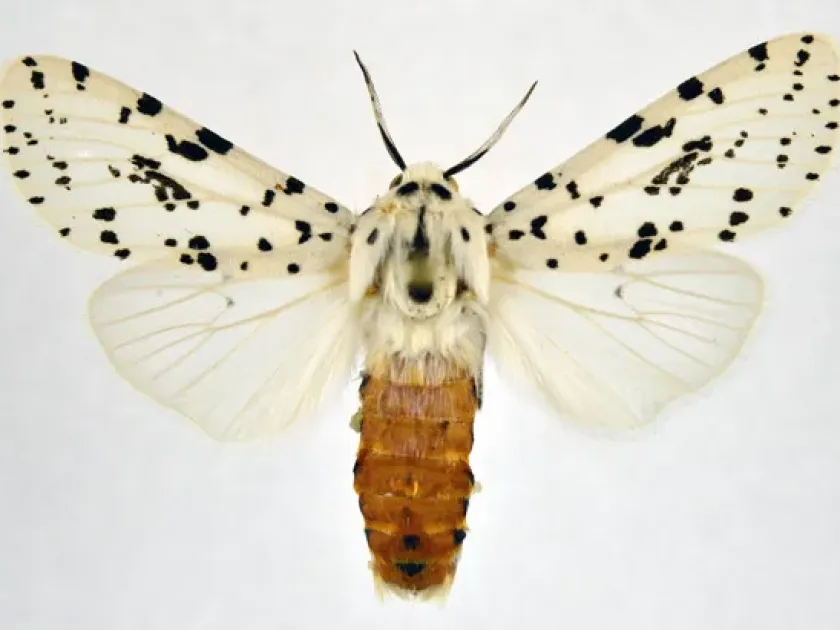
Description
How to identify
Alpenus investigatorum is a moth species belonging to the order Lepidoptera and the family Erebidae. Identifying this pest requires understanding its morphology throughout different life stages, including eggs, larvae, pupae, and adults.
Adult moths are typically nocturnal, featuring protective coloration that mimics tree bark or dry plant debris. This camouflage makes them difficult to spot during daytime, as they rest on various substrates.
The larvae are characterized by a voracious appetite and dense, bristly hairs that serve as a defense mechanism against natural predators. These caterpillars are highly mobile and move quickly between plant tissues.
Pupae are usually found in the soil, protected by a dense, silken cocoon. This stage is adapted to survive cold winter temperatures and fluctuating soil moisture levels throughout the dormant season.
Agronomists often use pheromone traps to identify the arrival and density of Alpenus investigatorum in agricultural fields. Proper identification is crucial for effective treatment timing.
What it damages
This pest is a polyphage, meaning it infests a wide range of crops including cereals, legumes, and several vegetable varieties. Its impact on agriculture is significant due to its broad host range.
Larvae cause direct damage by feeding on foliage, often skeletonizing leaves and hindering the plant's ability to photosynthesize. This leads to stunted growth and weakened plant vigor.
The pest also targets reproductive organs, such as flowers and developing fruits. Such damage directly correlates with yield loss and poor quality of harvested products, reducing their market value.
The feeding holes created by the larvae serve as entry points for secondary pathogens, including various fungal and bacterial infections. This can result in localized rot and crop death.
In high-density outbreaks, Alpenus investigatorum can destroy substantial portions of a field in a very short time, necessitating immediate intervention to save the harvest.
When it appears
The life cycle of Alpenus investigatorum is strongly influenced by temperature and regional climatic conditions. The first emergence usually occurs in early spring as temperatures rise.
The peak activity period for caterpillars aligns with the intensive growth phase of the plants, providing them with ample food sources. They grow rapidly during this period, causing visible crop damage.
Multiple generations may occur within a single growing season, depending on the latitude. This creates a persistent threat that requires ongoing monitoring and management strategies throughout the year.
Adult flight periods can be prolonged, requiring a strategic approach to monitoring. Factors such as rainfall and humidity can influence the survival rate of eggs and newly hatched larvae.
As autumn approaches, the insect prepares for hibernation. It seeks shelter in the soil or under organic debris to transition into the pupal stage, staying dormant until the next spring.
Signs of infestation
The most common sign of an Alpenus investigatorum infestation is irregularly shaped holes in the leaves. In severe cases, only the midribs of the leaves may remain.
Presence of larvae is often indicated by fecal droppings found on the lower leaf surface or at the base of the plant. Silk webbing may also be observed where larvae are clustered together.
If plants show sudden wilting despite adequate irrigation, it might indicate that larvae have burrowed into the stems. This internal feeding cuts off the plant's nutrient transport system.
Egg clusters on the underside of leaves indicate an impending infestation. Finding these during routine scouting allows for preemptive action before significant damage occurs.
Discoloration or stunted growth in specific parts of the field can alert farmers to the pest's presence, highlighting the need for a more thorough investigation of the crop.
Control measures
Cultural practices, such as deep autumn plowing, are highly effective in reducing the overwintering population of pupae. This disturbs their habitat and exposes them to environmental stress.
Crop rotation is an essential tool in pest management, helping to break the insect's life cycle. Maintaining clean fields by eliminating host weeds is also a key preventive measure.
Biological control methods, including the use of entomopathogenic fungi or bacterial preparations (like Bt), offer a safe and efficient way to manage larval populations without chemical residues.
If chemical control is necessary, selective insecticides should be chosen to minimize harm to beneficial insects and pollinators. Application should target the larval stage for maximum effectiveness.
Consistent monitoring and the use of threshold-based decision-making ensure that chemical applications are applied only when necessary, improving both cost-effectiveness and environmental sustainability.
Taxonomy
- Latin name
- Alpenus investigatorum
- Order
- Lepidoptera (butterflies)
- Family
- Erebidae
- EPPO code
- DIAIIN
Discussion
No discussions yet — be the first.