
Alpenus
Alpenus
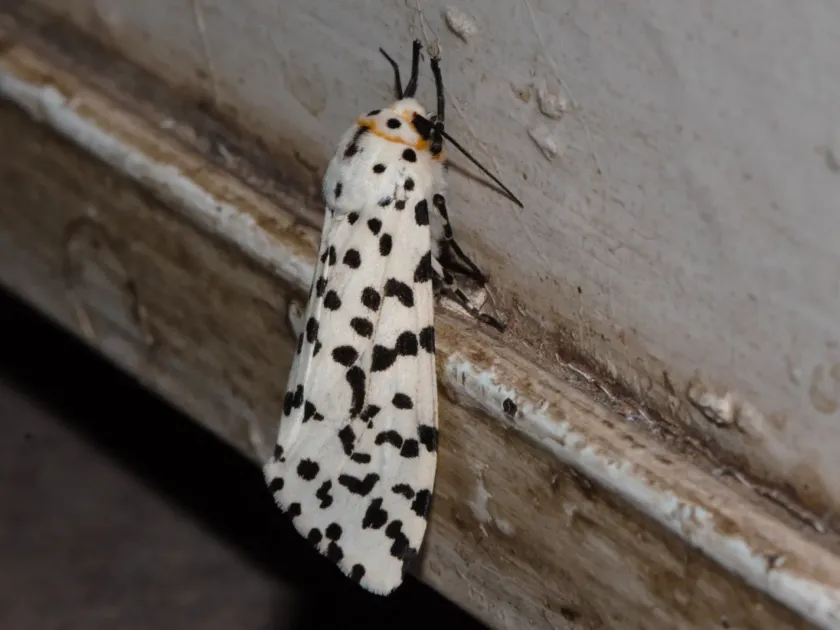
Description
How to identify
Alpenus is a genus of moths belonging to the family Erebidae, subfamily Arctiinae. These insects are classified as tiger moths, known for their specific morphological traits and often cryptic or vibrant wing patterns.
Adult moths are characterized by a robust, hairy body structure and a distinct wing venation pattern. They are primarily nocturnal or crepuscular, showing high attraction to light sources, which is a common behavioral trait within the subfamily.
The larvae, commonly known as caterpillars, are covered in dense tufts of setae (hairs). This feature serves as a primary defense mechanism against avian and insect predators, providing a chemical or mechanical deterrent.
Systematically, the classification of the genus remains dynamic within modern lepidopterology. They are closely related to other Arctiinae genera, and their taxonomy is periodically updated based on genomic analysis to better reflect evolutionary relationships.
The life cycle encompasses a complete metamorphosis involving four stages: egg, larva, pupa, and adult. Pupation typically occurs in loose silken cocoons, often concealed within leaf litter or the upper soil horizons to provide protection during the development phase.
What it damages
This pest is highly polyphagous, meaning it feeds on a broad spectrum of herbaceous plants and woody vegetation. Significant damage is caused during the larval stage when caterpillars actively consume large amounts of foliage during their rapid development.
Target crops typically include members of the Asteraceae and Fabaceae families, along with various ornamental and vegetable crops. In cases of high population density, defoliation can be extensive, leaving plants with only the major veins remaining.
Beyond foliage consumption, damage may extend to buds and young shoots. This feeding behavior stunts plant growth and reduces the photosynthetic capacity, which directly correlates to lower yield outputs and impaired plant vigor.
The economic impact of the pest is exacerbated by favorable environmental conditions, such as warm, humid seasons that facilitate multiple generations per year. Early larval instars are often the most destructive due to their high metabolism and feeding rate.
Feeding injuries create entry points for secondary infections, including bacterial and fungal pathogens, further weakening the plant's health and increasing the risk of widespread disease transmission across the crop field.
Signs of infestation
The primary indicator of an infestation is the appearance of irregular holes on the leaf surface. As the larvae grow, they progress from skeletonizing leaves to consuming entire sections, which is easily visible during field inspections.
Webbing present on the foliage or connecting leaves is a strong diagnostic sign, indicating that the caterpillars are creating protective shelters for daytime concealment. Accumulation of frass (excrement) below infested plants is another key observation.
Wilting of terminal shoots or stunted development in specific sectors of the field can point to the presence of larvae. Checking the undersides of leaves is crucial, as this is where egg masses are frequently deposited by female moths.
The presence of adult moths near fields at night, particularly near artificial lighting, signals the onset of the reproductive cycle and the need for immediate scouting. Monitoring trap catches is essential for tracking population spikes.
Visible distress in the plant canopy, combined with the presence of larval silk, necessitates immediate verification to determine the severity and the developmental stage of the caterpillar population.
Control measures
Effective management requires an integrated pest management (IPM) strategy that combines cultural, biological, and chemical methods. Deep autumn plowing is a vital cultural practice to disrupt the pupation cycle and reduce the overwintering population.
Biological control utilizing Bacillus thuringiensis or other entomopathogenic agents is highly effective against early larval instars. These solutions provide selective control, minimizing the impact on beneficial insects and pollinators.
Pheromone traps are essential for monitoring population density and timing intervention. This allows for precise application of control measures only when thresholds are met, optimizing resources and environmental safety.
If population levels exceed economic thresholds, systemic insecticides may be necessary. Applications should be performed during the evening hours to maximize efficacy and ensure compliance with safety regulations and pre-harvest intervals.
- Removal of host weeds to reduce alternative food sources
- Implementation of crop rotation to break the pest lifecycle
- Encouraging natural predator populations such as parasitic wasps
- Routine field scouting during peak flight periods
Taxonomy
- Latin name
- Alpenus
- Order
- Lepidoptera (butterflies)
- Family
- Erebidae
- EPPO code
- ALPESP
Discussion
No discussions yet — be the first.