
Aloa
Aloa
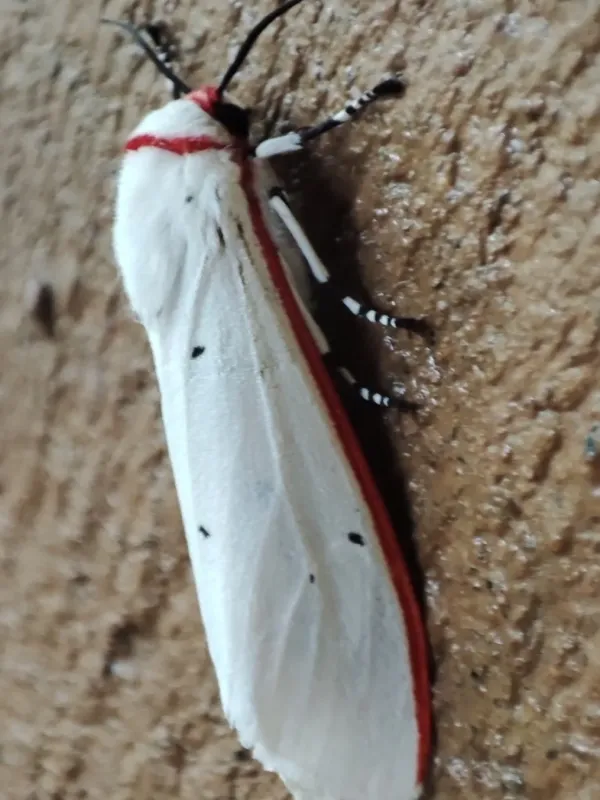
Description
How to identify
The genus Aloa belongs to the family Erebidae, subfamily Arctiinae. These are insects of the order Lepidoptera, which in their adult stage are medium-sized nocturnal moths.
Adults are characterized by a specific wing coloration, often featuring dark spots or stripes on a light background, which helps them camouflage in their natural habitat.
Aloa larvae (caterpillars) are densely covered in hairs, a hallmark of many tiger moths, providing them with a defense mechanism against various entomophages.
The life cycle of the insect consists of four stages: egg, larva (caterpillar), pupa, and adult (moth), with the damage caused specifically during the larval stage.
Identifying species within this genus requires an entomological analysis of the adult genital structure, as external morphological traits can be highly variable.
What it damages
Aloa caterpillars are polyphagous, meaning they are capable of feeding on a wide range of plant crops, including agricultural, ornamental, and wild plant species.
Infestations are most commonly recorded on vegetable crops, legumes, and certain technical crops, where the pest can multiply rapidly.
Young caterpillars skeletonize the leaves, consuming soft tissues and leaving only the veins, which significantly reduces the plant's overall photosynthetic surface area.
Mature caterpillars are capable of completely destroying leaf blades and moving on to stems and reproductive organs, leading to substantial yield losses.
Mass outbreaks of the pest can cause severe defoliation, weaken plant immunity, and lead to total crop failure under high population density conditions.
When it appears
The activity period of the insect depends directly on the climatic conditions of the region and the ambient temperature, which determines the metabolic rate.
The first generation of moths usually appears with the onset of stable warmth, when daily average temperatures exceed the biological development threshold of the species.
Larval activity peaks during the summer, coinciding with intensive vegetative growth, which provides an abundant food source for the pest.
Depending on the latitude, Aloa can produce one or several generations per season, making control difficult due to overlapping stages of development.
In autumn, the pest enters diapause or pupates in the soil or plant debris, where it remains dormant until favorable conditions return the following year.
Signs of infestation
The first visual sign of a pest presence is the appearance of characteristic "windows" or holes on the leaf blades, which gradually increase in size.
The presence of caterpillar frass on leaf surfaces and the soil below the plant indicates active feeding by the insects during the night or day.
Discovering the hairy caterpillars themselves on the underside of leaves or near the root zone provides direct evidence of an active infestation.
Leaf curling or the presence of silk threads used by caterpillars to construct shelters are also important diagnostic signs of an ongoing infestation.
Severe damage may manifest as the yellowing and wilting of individual shoots, caused by the disruption of nutrient flow due to the destruction of plant tissues.
Control measures
Agronomic control methods include deep autumn plowing, which destroys pupation sites and exposes them to the surface where they can be predated by birds.
An important aspect of management is regular weeding, as weeds can act as reservoirs for pest reproduction during the early vegetative season.
The application of biological preparations based on Bacillus thuringiensis is highly effective against early-instar caterpillars and is safe for beneficial entomophages.
Chemical insecticides are used when the economic threshold of damage is exceeded, with priority given to products that have minimal pre-harvest intervals.
- Strict adherence to crop rotation to disrupt the insect's life cycle.
- Use of light traps for monitoring and trapping adult moths.
- Encouraging natural enemies such as parasitoid wasps and predatory bugs.
Taxonomy
- Latin name
- Aloa
- Order
- Lepidoptera (butterflies)
- Family
- Erebidae
- EPPO code
- ALOASP
Discussion
No discussions yet — be the first.