
Agrypon flaveolatum
Agrypon flaveolatum
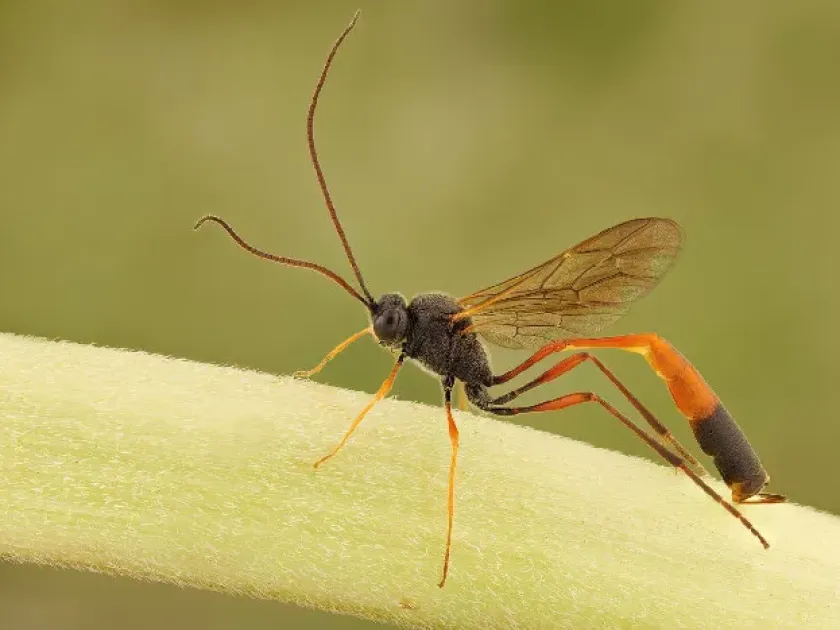
Description
How to identify
Agrypon flaveolatum is a species of parasitic wasp belonging to the family Ichneumonidae within the order Hymenoptera. As a parasitoid, it plays a vital role in natural pest suppression by targeting specific larvae of moths and butterflies.
The adult wasp is characterized by a slender, yellowish-brown body and elongated antennae, typical of the Ichneumonidae family. These features allow it to navigate through dense foliage in search of its specific hosts.
The life cycle of Agrypon flaveolatum is specialized. The female wasp searches for host larvae, typically caterpillars, and deposits an egg inside the host's body using her ovipositor. The wasp larva then develops internally, consuming the host from within.
This process results in the death of the caterpillar, preventing it from completing its life cycle and reproducing. This makes the species an important natural regulator of insect populations in various agricultural and forest ecosystems.
Identification of the species is generally performed by entomologists using morphological characteristics, such as wing venation and body coloration, to distinguish it from other ichneumonid species present in the region.
What it damages
Agrypon flaveolatum causes absolutely no damage to agricultural crops. In fact, it is considered a beneficial insect rather than a pest, as it serves as a natural enemy to several lepidopteran species that are considered pests.
The hosts of this wasp include various species of loopers (Geometridae) and owlet moths (Noctuidae), which are known to defoliate orchards, ornamental trees, and forest plants. By parasitizing these caterpillars, the wasp directly reduces the potential damage to vegetation.
These wasps are frequently encountered in apple orchards, pear trees, and oak forests, where they actively patrol tree canopies. Their presence indicates a functional and resilient ecosystem capable of self-regulating pest populations.
There is no economic loss associated with the presence of this insect. On the contrary, their activity is an essential component of Integrated Pest Management (IPM), providing a free and sustainable method of pest control.
The absence of such parasitoids in a monoculture environment often leads to an imbalance, resulting in frequent pest outbreaks that are difficult to manage without human intervention.
Control measures
To protect and encourage Agrypon flaveolatum populations, growers should avoid the indiscriminate use of broad-spectrum insecticides. Such chemicals are often non-selective and can wipe out populations of beneficial parasitoids along with target pests.
Implementing floral strips containing nectar-producing plants (such as dill, parsley, or phacelia) can significantly increase the longevity and fertility of adult wasps by providing them with essential carbohydrates.
Adopting an Integrated Pest Management (IPM) approach is the most effective strategy. This includes regular monitoring and using narrow-spectrum or biological pesticides only when necessary to ensure the survival of natural enemies.
Maintaining biodiversity on the edges of fields and orchards, such as hedgerows and undisturbed wild plant patches, provides shelter and overwintering sites for the wasps, ensuring a stable population for the next growing season.
- Prioritize biological control over chemical interventions.
- Avoid spraying during the peak flight activity of parasitoid wasps.
- Establish floral reservoirs to support beneficial insect populations.
Taxonomy
- Latin name
- Agrypon flaveolatum
- Order
- Hymenoptera
- Family
- Ichneumonidae
- EPPO code
- AGRPFL
Discussion
No discussions yet — be the first.