
Aetalion quadratum
Aetalion quadratum
Description
How to identify
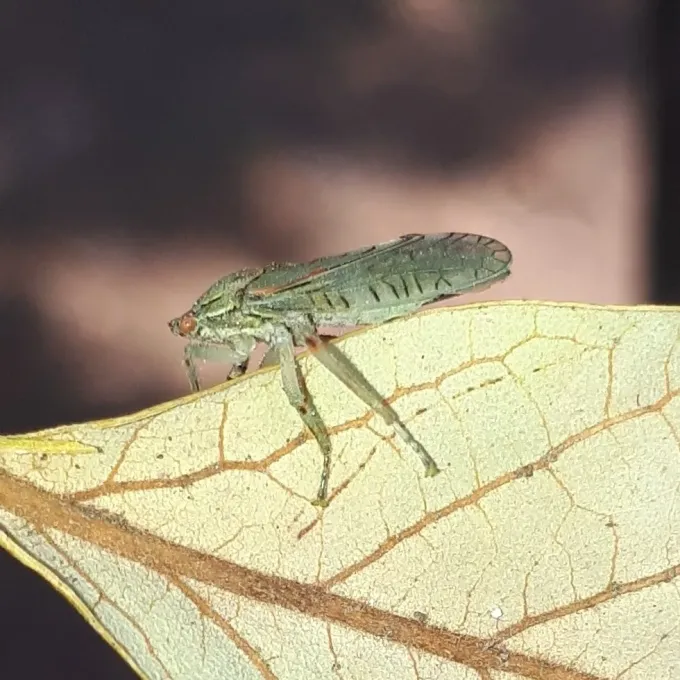
Aetalion quadratum is a species of insect belonging to the family Aetalionidae within the order Hemiptera. These insects are easily recognized by their distinctively shaped pronotum, which resembles a square, giving them a unique silhouette compared to other cicada-like insects.
The adults are typically brownish or tan, featuring patterns that allow them to blend into the bark of their host plants. Their size is moderate, and they possess well-developed wings for migration when necessary.
The life cycle of this insect involves egg-laying directly into the plant tissue. Females use an ovipositor to insert eggs into the stems or bark of young branches, which can cause significant damage to the plant epidermis.
These insects often exhibit subsocial behavior, staying in groups or colonies. This social structure allows them to cooperate in feeding and protection, making them a more resilient pest in varied environments.
Growth stages include nymphs, which resemble smaller versions of the adults but lack functional wings. They develop through several molts, continuously feeding on the plant sap until they reach maturity.
What it damages
Aetalion quadratum primarily feeds on the sap of various tree species and shrubs. They show a preference for young, succulent growth, which contains the highest concentration of nutrients necessary for their development.
By piercing the plant tissue to extract sap, these insects cause physiological stress to the host. The constant removal of fluids weakens the plant, leading to stunted growth and potentially branch dieback in severe cases.
The secretion of honeydew is a major byproduct of their feeding. This sugary substance coats the leaves and branches, creating an ideal environment for the growth of sooty mold, which impairs photosynthesis.
Physical injuries caused by the females during egg-laying create open wounds on the bark. These wounds act as entry points for pathogens, fungi, and bacteria, which can lead to localized necrosis or rot.
In ornamental and fruit-bearing trees, the aesthetic and commercial damage can be significant. Persistent infestations often lead to yellowing leaves, premature leaf drop, and overall reduced vigor of the tree.
Signs of infestation
One of the earliest signs of an infestation is the presence of sticky honeydew on the leaves and stems. This substance is highly attractive to ants, so a high concentration of ants on a tree is a reliable indicator.
Visual detection of the adults is possible by examining the bark, where they often group together. Their stationary nature while feeding makes them look like small, square-shaped protuberances on the branches.
Evidence of egg-laying is found as small scars or jagged slits along the surface of young shoots. These marks are often accompanied by slight discoloration of the surrounding bark tissue.
Leaf curling, wilting of terminal shoots, and general branch dieback are signs of long-term feeding. When plants exhibit these symptoms, they are usually under significant stress.
The accumulation of black sooty mold on the upper surfaces of leaves is a clear visual marker of a long-standing infestation that requires immediate attention.
Control measures
Management of Aetalion quadratum begins with cultural practices such as pruning and destroying affected branches. Removing segments of plants where egg clusters are deposited significantly reduces the population.
Chemical control is effective when using systemic insecticides, which are absorbed by the plant and ingested by the insects during feeding. These should be applied before the population reaches an uncontrollable level.
Biological control, including the protection of natural predators like lacewings and parasitic wasps, can help keep insect numbers in check within a balanced ecosystem.
Maintaining tree health through proper fertilization and irrigation helps plants recover from the stress of insect feeding. Stronger plants are generally less susceptible to severe damage.
Regular monitoring of trees, especially during the peak of the growing season, is essential for early detection. Prompt action in the early stages of an infestation is the key to preventing widespread damage.
Taxonomy
- Latin name
- Aetalion quadratum
- Order
- Hemiptera (bugs, aphids, leafhoppers)
- Family
- Membracidae
- EPPO code
- AETHQU
Discussion
No discussions yet — be the first.