
Acyphas semiochrea
Acyphas semiochrea
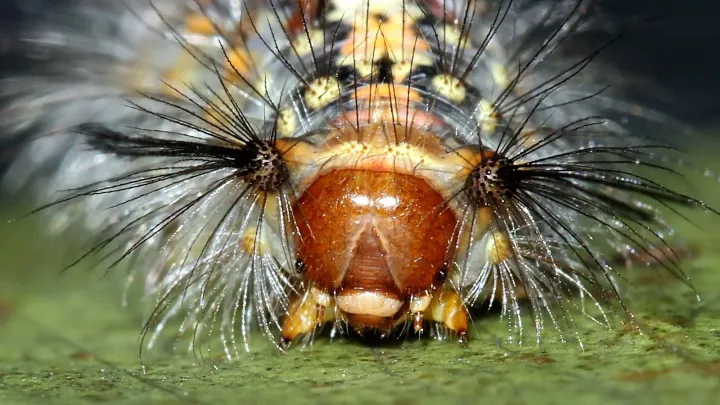
Description
How to identify
Acyphas semiochrea belongs to the order Lepidoptera, family Erebidae, and subfamily Lymantriinae. These moths are typically nocturnal and display a yellowish-brown coloration on their wings.
The larvae, or caterpillars, are recognized by their dense covering of hairs, a classic trait of the tussock moth family. These hairs are often a defense mechanism and can cause irritation if touched.
The life cycle encompasses four stages: egg, larva, pupa, and adult moth. Depending on environmental factors, the duration of each stage varies, affecting the number of generations per year.
Females deposit eggs in clusters, often covering them with scales or hairs from their own bodies to protect the clutch from predators and environmental stress.
Pupation occurs within sturdy cocoons constructed of silk and larval hairs, often attached to the leaves or twigs of the host plant for safety during the transformation process.
What it damages
The primary hosts for Acyphas semiochrea are trees within the Eucalyptus genus. The species has evolved to thrive on the tough, oil-rich leaves of these specific trees.
Damage is exclusively caused by the larval stage. They possess robust mandibles capable of consuming large amounts of leaf tissue, leading to significant defoliation in severe cases.
Young larvae typically skeletonize the leaves by consuming the mesophyll while leaving the tougher veins intact. As they grow, they consume larger portions of the foliage.
Mass infestations can result in extensive canopy thinning. Repeated defoliation events put trees under significant physiological stress, stunting their growth and reducing overall health.
In forest plantations or ornamental landscape settings, the presence of these caterpillars can negatively impact the aesthetic value and long-term viability of Eucalyptus stands.
Control measures
Effective management begins with routine field scouting to identify egg clusters or young larvae before they cause widespread damage to the canopy.
Biological control using microbial insecticides, specifically those containing Bacillus thuringiensis, is highly recommended as it targets the larvae while sparing beneficial predatory insects.
Mechanical removal of larval nests or egg clusters is a viable option for small-scale infestations in nurseries or private gardens, avoiding the need for chemical intervention.
Chemical control should be reserved for outbreaks that exceed economic or aesthetic thresholds. Use targeted applications of registered systemic or contact insecticides when necessary.
Encouraging biodiversity in and around the plantation is crucial. Maintaining habitats for natural predators such as parasitic wasps and insectivorous birds helps keep pest populations under natural suppression.
Taxonomy
- Latin name
- Acyphas semiochrea
- Order
- Lepidoptera (butterflies)
- Family
- Erebidae
- EPPO code
- PORTHO
Discussion
No discussions yet — be the first.