
Achaea mormoides
Achaea mormoides
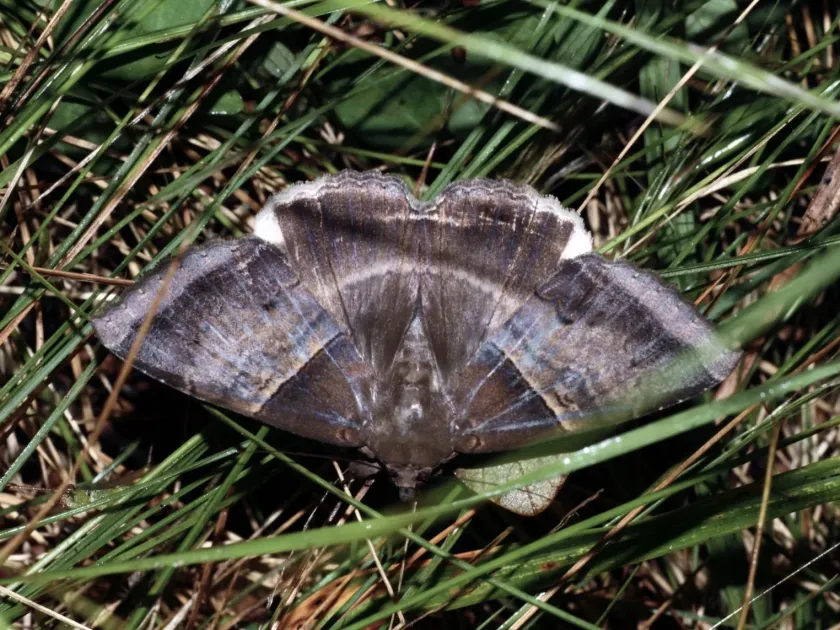
Description
How to identify
Achaea mormoides is a moth species belonging to the Erebidae family. It is recognized as a pest in various tropical and subtropical agricultural systems.
The adult moth is nocturnal, with cryptic coloration that allows it to remain undetected during the day while resting on tree trunks or foliage.
The biological cycle follows a complete metamorphosis, including egg, larval, pupal, and adult stages, each requiring specific environmental conditions for optimal survival.
Larvae are the primary destructive stage, characterized by rapid feeding and significant weight gain as they transition through several instars.
Pupation typically occurs in the soil or among plant debris, which provides the necessary insulation against temperature fluctuations during the transition phase.
What it damages
The larvae feed on the foliage of a wide range of host plants, including various broad-leaved trees and specific agricultural crops.
Feeding activity often results in extensive leaf area reduction, which compromises the host plant's ability to undergo photosynthesis and store energy.
Severe infestations can lead to total defoliation of plants, weakening their overall health and making them susceptible to secondary environmental stresses.
The physical damage caused by the chewing mouthparts of the larvae creates entry points for various pathogens, potentially leading to plant diseases.
Economic loss occurs due to reduced plant growth rates, lower crop yields, and increased expenditure on pest management interventions.
Signs of infestation
The primary sign of infestation is the presence of irregular holes in the leaves or skeletonized leaf veins caused by intensive larval feeding.
Frass (larval excrement) accumulation on leaves or the ground beneath the canopy is a clear indicator of active feeding by the caterpillar population.
Small, clustered egg masses found on the underside of leaves serve as a sign of imminent hatching and potential infestation waves.
The presence of fine silk threads spun by larvae to anchor themselves to foliage is a common diagnostic feature during the early stages of the attack.
Stunted growth or visible wilting of leaves can signify significant damage to the plant's vascular and metabolic systems caused by long-term feeding.
Control measures
Integrated Pest Management (IPM) is essential for effective control, combining cultural, biological, and chemical methodologies.
Chemical applications should be timed to target early-instar larvae when they are most susceptible to contact or systemic insecticides.
Biological control methods, such as the use of Bacillus thuringiensis or parasitic wasps, are highly effective in reducing larval populations in sustainable systems.
Cultural practices, including the removal of weeds and debris where pupae overwinter, can disrupt the pest's life cycle and reduce future infestation pressures.
- Use pheromone traps to monitor adult flight and population density.
- Implement proper crop spacing to reduce larval migration between plants.
- Encourage beneficial predator populations to provide natural biocontrol.
Taxonomy
- Latin name
- Achaea mormoides
- Order
- Lepidoptera (butterflies)
- Family
- Erebidae
- EPPO code
- ACAEMO
Discussion
No discussions yet — be the first.