
Achaea faber
Achaea faber
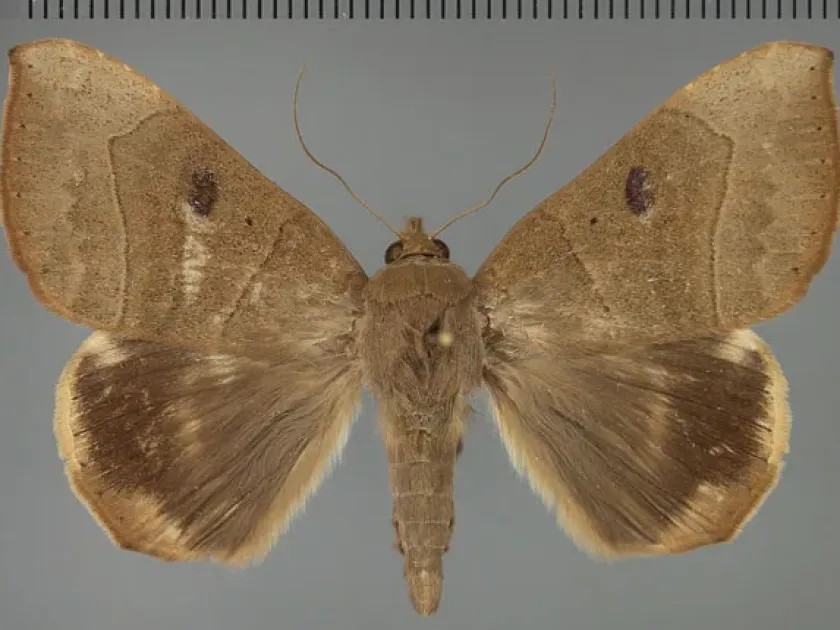
Description
How to identify
Achaea faber is a moth species belonging to the family Erebidae within the order Lepidoptera. The adults exhibit cryptic coloration, which provides excellent camouflage against tree bark and foliage, helping them evade detection during the day.
The larvae, known as caterpillars, are characterized by their high metabolic rates and voracious appetite. They possess well-developed prolegs that allow them to navigate effectively across various plant surfaces while feeding.
Taxonomically, this species is related to several other members of the genus Achaea, many of which are recognized as significant agricultural pests in subtropical and tropical ecosystems globally.
The lifecycle follows a complete metamorphosis pattern: egg, larva, pupa, and adult. This developmental strategy allows the species to adapt to different environmental niches and seasonal fluctuations in temperature.
Adult moths are primarily nocturnal, favoring cover during daylight hours to avoid predation. Conversely, caterpillars are active foragers that focus exclusively on consuming host plant tissues to fuel their growth.
What it damages
Achaea faber is recognized as a polyphagous pest, capable of feeding on a diverse range of botanical hosts. It causes substantial damage to both ornamental trees and various field crops within its distribution area.
The primary damage is caused by the caterpillars feeding on leaves, which often leads to severe defoliation. This reduction in leaf area limits the plant’s ability to photosynthesize, resulting in stunted growth.
Beyond foliar damage, the pest may occasionally target young shoots or developing fruit, depending on the host plant species. These wounds serve as entry points for secondary bacterial and fungal infections.
In cases of large-scale outbreaks, the cumulative effect of larval feeding can significantly diminish the overall health and yield potential of commercial agricultural plantations.
- Defoliation of the canopy or leaf layers.
- Direct injury to young shoots and buds.
- Reduced plant vigor and overall yield losses.
- Increased susceptibility to secondary pathogens.
Signs of infestation
One of the earliest signs of infestation is the presence of frass (caterpillar droppings) on the leaves below feeding sites. This is a common indicator that larvae are present in the foliage above.
Visible inspection of the leaves often reveals irregular feeding patterns, such as jagged edges or holes in the leaf blades. In many cases, caterpillars can be found hiding on the underside of leaves or within rolled foliage.
Nocturnal monitoring using light traps can confirm the presence of adult moths in the area, helping to predict the next generation of larvae that may appear shortly after mating.
The presence of silk webbing, which caterpillars often use to anchor leaves before pupating, is a distinct sign of the late larval stage and upcoming transition to the pupal phase.
Abnormal tree health, including sudden yellowing or premature leaf drop, may serve as an indicator that a caterpillar population is active in the upper canopy, even if the pests are not immediately visible.
Control measures
Managing Achaea faber requires an integrated pest management (IPM) approach that combines regular monitoring with biological and chemical interventions to maintain population levels below economic thresholds.
Biological control strategies often involve the application of Bacillus thuringiensis-based products. These are highly effective against young larvae while remaining safe for non-target beneficial insects.
If population densities exceed threshold levels, the use of selective insecticides is recommended. It is crucial to time these applications carefully to minimize impact on pollinators and beneficial predators.
Cultural control methods, such as clearing leaf litter and tilling the soil around tree bases during the off-season, can effectively disrupt the life cycle by destroying dormant pupae.
Employing pheromone traps serves as an excellent tool for monitoring seasonal activity. This data-driven approach allows for precise timing of interventions, reducing the overall pesticide footprint on the farm.
Taxonomy
- Latin name
- Achaea faber
- Order
- Lepidoptera (butterflies)
- Family
- Erebidae
- EPPO code
- ACAEFA
Discussion
No discussions yet — be the first.