
Bean rust
Uromyces appendiculatus
Bean rust is caused by the fungus Uromyces appendiculatus, an obligate biotroph belonging to the phylum Basidiomycota. This pathogen is highly specialized and relies entirely on living bean tissue to complete its complex biological life cycle.
What the section contains
Bean rust
The fungus produces several types of spores, including urediniospores, which are responsible for the secondary cycles of infection within a crop. These spores are easily disseminated by wind, rain splashes, and human activity in the field.
The disease primarily impacts Phaseolus vulgaris (common bean). While it is most devastating to beans, it can occasionally infect other legumes, posing a threat to both vegetable gardens and agricultural production systems.
The infection attacks foliage, stems, and pods, drastically reducing the photosynthetic capacity of the plant. Severe outbreaks result in leaf drop, stunted plant growth, and significantly lower yields of low-quality, shriveled seeds.
Rust development is strongly dependent on environmental conditions, particularly high humidity and temperatures between 15°C and 25°C. Prolonged periods of dew or frequent rain are essential for spore germination and infection.
In most regions, the disease begins to spread in mid-season as the canopy closes and humidity levels within the foliage increase. Dense plantings that restrict airflow often experience the most severe outbreaks during warm, humid months.
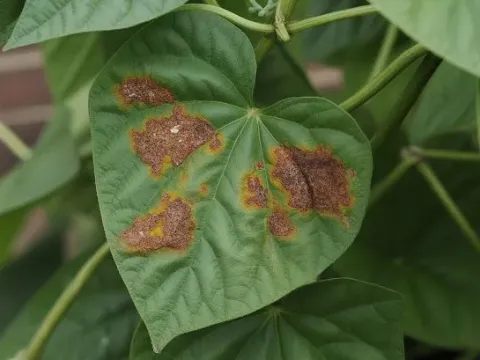
Initial symptoms include small, pale yellow or white spots on the undersides of the leaves. Within days, these spots rupture the leaf surface, forming characteristic reddish-brown, powdery pustules filled with urediniospores.
As the infection progresses, the leaves turn yellow and wither prematurely. If the disease reaches the pods, they may develop similar pustules, leading to significant yield losses and preventing the plant from reaching full maturity.
Effective management requires an integrated approach starting with crop rotation and the selection of resistant bean cultivars. Proper field management is key to reducing the primary inoculum levels in the environment.
- Eliminate crop debris after harvest to reduce overwintering spores.
- Ensure adequate spacing between plants to improve air circulation and reduce leaf wetness.
- Use protective or systemic fungicides at the early onset of disease symptoms.
- Avoid overhead irrigation during periods when weather conditions favor rust development.