
Aphelenchoides
Aphelenchoides
Description
How to identify
Aphelenchoides is a genus of plant-parasitic nematodes belonging to the family Aphelenchoididae. These microscopic worms are known as foliar nematodes because they typically infest the leaves and stems of plants.
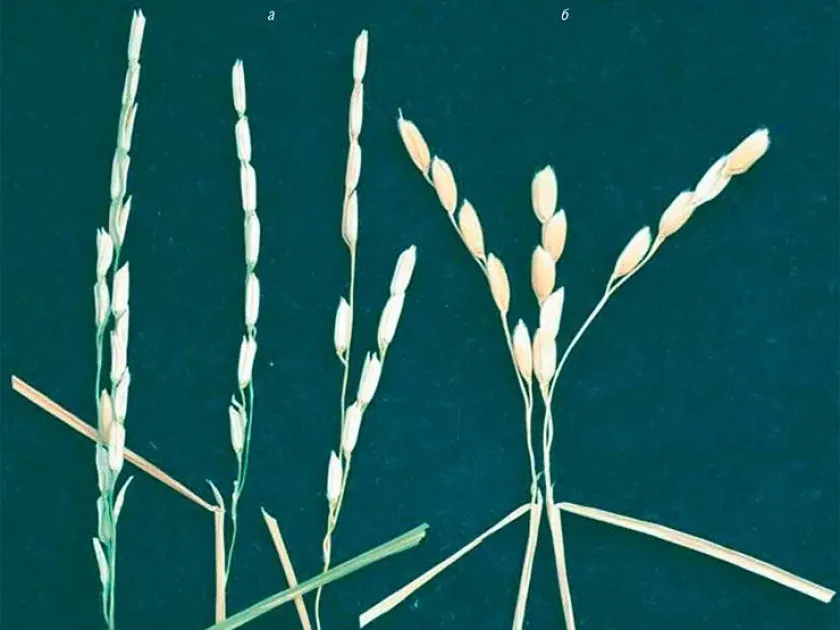
Taxonomically, they are identified as endoparasites, meaning they live inside the plant tissues to feed. Key species include Aphelenchoides ritzemabosi, Aphelenchoides fragariae, and Aphelenchoides besseyi.
They possess a specialized feeding apparatus called a stylet, which they use to pierce cell walls and inject enzymes, liquefying the cell contents for ingestion.
The life cycle of these nematodes is relatively short, usually completing within 10 to 14 days under optimal conditions, allowing for rapid population growth.
They are primarily dispersed through contaminated soil, irrigation water, splashing rain, and by the movement of infected plant material between locations.
What it damages
Aphelenchoides species affect a vast range of hosts, including strawberries, chrysanthemums, ferns, lilies, and numerous tropical ornamental plants grown in greenhouses.
The damage is caused when these nematodes invade leaf tissues, causing localized cell death. This leads to reduced photosynthesis and overall stunted growth of the host plant.
For ornamental crops, the aesthetic value is destroyed due to unsightly necrosis and leaf deformation, resulting in significant commercial losses for growers.
In strawberries, they cause the condition known as 'cauliflower disease', which manifests as thickened, crinkled leaves and stunted plant development, severely reducing berry yields.
If left unmanaged, infestation can lead to the total decline of plant health and the necessity of destroying entire production batches to prevent spread.
When it appears
The activity and spread of these nematodes are heavily dependent on water. They require a thin film of moisture on leaf surfaces to swim and reach host tissue.
They thrive in temperatures between 18°C and 25°C, but they are highly adaptable and can survive in various temperate climates as long as humidity remains high.
During periods of drought or dormancy, they can survive in a state of anhydrobiosis, remaining viable in dry leaves or soil for several months until conditions improve.
Peak outbreaks are most frequent during the late summer and autumn seasons, or in greenhouse environments with consistent overhead watering and high humidity.
Year-round activity is possible in protected greenhouse environments where temperature and moisture are maintained at levels favorable for the nematode's development.
Signs of infestation
The most characteristic symptom of infection is the development of angular, interveinal necrotic spots. These spots are often bounded by leaf veins, creating a mosaic-like pattern.
As the infection progresses, these spots turn from yellow or light brown to dark brown or black, leading to leaf curling, drying, and eventual premature abscission.
Infested buds may fail to open, or flowers may appear deformed and discolored, significantly impacting the decorative quality of floral crops.
Severe infestations cause a 'bunchy top' appearance, where the plant stops elongating and develops a dense cluster of twisted, unhealthy leaves.
Because the nematodes are invisible to the naked eye, diagnosis requires laboratory examination, such as the Baermann funnel technique, to extract them from plant tissue.
Control measures
The primary control strategy is the use of nematode-free planting stock. Starting with certified healthy materials is the most effective way to prevent infestation.
Hot water treatment is a standard industry practice for treating bulbs and cuttings. Immersing them in water at approximately 45–50°C for 10–20 minutes kills the nematodes without harming the plant.
Rigorous sanitation measures are vital, including the removal and destruction of all infested plant debris and regular sterilization of pots, tools, and surfaces.
Chemical control is limited by the fact that the nematodes live inside the leaves, making them difficult to reach with surface-applied pesticides.
- Avoid overhead irrigation to keep foliage dry.
- Implement strict quarantine protocols for new plant materials entering the greenhouse.
- Monitor crops regularly and remove symptomatic plants immediately to prevent spread.
Causes diseases · 2
Discussion
No discussions yet — be the first.