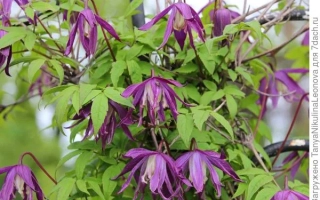
Sephia acanthifolia «ALENA» – a hardy, frost-resistant perennial herb reaching a height of 2–3 m. Stems are straight, four-sided, hollow and thick, up to 200–300 cm long, and branched at the top. Leaves are elongated-elliptic, opposite, pointed, serrated, dark green in color, 17–26 cm wide and up to 30–35 cm long; they form a bowl around the stem where rainwater can accumulate.
During the growing season (170–200 days), the plant forms large composite flower heads from multi-tiered branches. Each stem bears 50–70 or more flower heads, colored with bright yellow petals. Flowering lasts until late autumn; one flower opens over 1–1.5 days, while the entire flower head lasts 6–8 days. Throughout the season, each flower produces about 0.5–0.6 mg of sugar, making the plant a valuable source of nectar and pollen for bees; honey from its flowers has a delicate aroma, a slightly bitter taste, and crystallizes slowly.
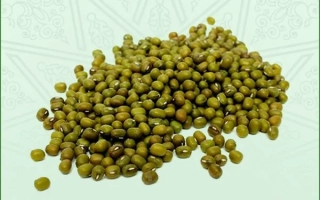
«ALENA» is characterized by high productivity: under optimal conditions, you can obtain 100–150 kg/hectare of honey and 19–22 g of seeds per fruit (fruit length – 11–13 cm). The plant grows well in various soils, especially loam and sandy loam with neutral or slightly alkaline reaction. It does not require special care: regular watering during moisture deficiency and a sunny location will ensure maximum growth.
In agriculture, «ALENA» is widely used as a fodder plant – cheap silage for young stock and fattening, as well as green fodder and vitamin-hay meal. Additionally, dry foliage can be converted into fuel pellets. The plant is propagated by seeds (sown in autumn before frost) and rhizome cuttings; the first year after sowing is not suitable for feeding, but by the third year it reaches full development. Thanks to frost resistance down to –28 °C, «ALENA» successfully grows in cold climatic conditions, including regions with harsh winters.