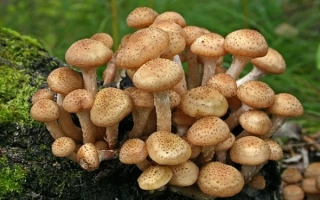
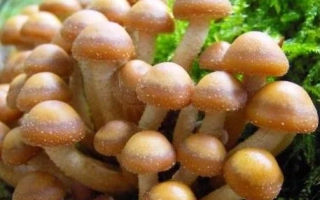
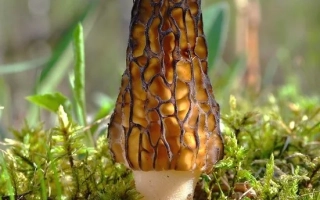
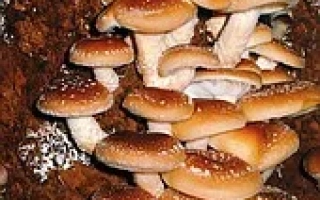
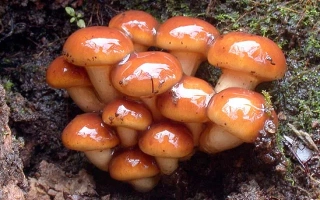
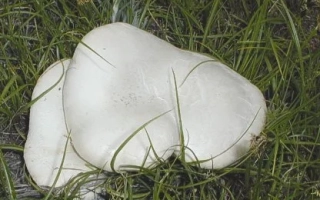
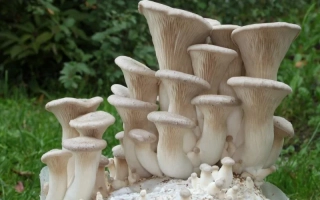
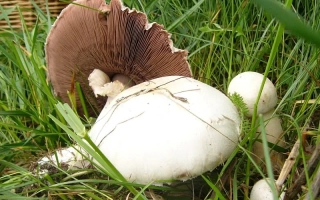
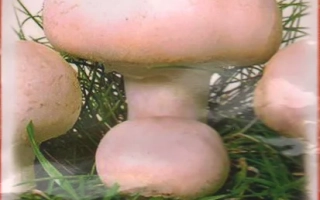
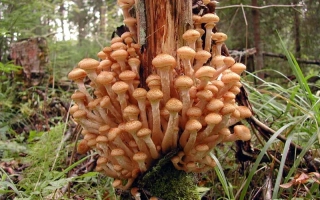
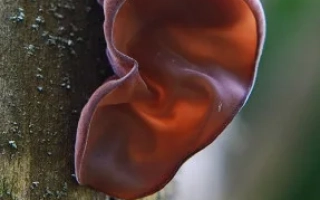
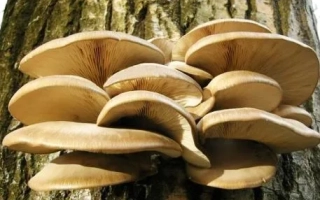
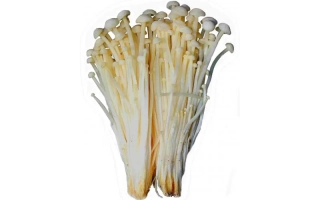
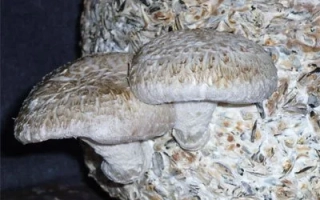
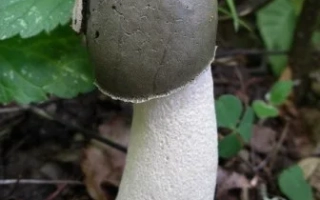
Russula / Russula — genus of agarics in the family Russulaceae. Cap initially spherical, hemispherical, or bell-shaped, later flattened, plane, or funnel-shaped, rarely convex; margin rolled or straight, often zoned or reticulate. Pileus color varies, dry, rarely moist, glossy or matte, sometimes cracked, easily detaching from flesh or adhering. Gills attached, incurved, descending, or free, equal or unequal in length, sometimes forked, usually crowded, occasionally sparse, with blunt or acute margins, often fragile, white or yellowish to ochraceous. Stipe cylindrical, straight, rarely thickened or tapered at base, white or colored, solid or hollow inside. Flesh firm, brittle, or spongy, especially in the stipe, white, does not change color when cut or with age, or turns brown, gray, black, or red, with mild or acrid taste. Latex is always absent.
Cultivation of Russula on a homestead plot: in a shaded area, on an area of 2.5-3 m2, dig 30 cm deep, and fill with nutrient mix.
First layer: (spread on the bottom) fallen leaves, grass, or tree bark (10 cm).
Second layer: forest compost or soil under trees (10 cm). Then evenly sprinkle the dried mycelium previously mixed with 1 liter of dry soil over the entire area.
Third layer: plant residues, like in the first layer, but 3 cm thick.
Fourth layer: garden soil (3-5 cm). After sowing, water by drip method.
First mushrooms appear within 1.5-2 months, then every 1-1.5 weeks.
In indoor settings, cultivate similarly, but plant in trays. The mycelium lives up to 5 years. Cultivation can be done any time of year.