
What determines the sowing time for late-maturing corn
Depending on how much time corn needs for the cobs to fully mature, corn varieties are divided into ultra-early, early-maturing, mid-maturing, and late-maturing.
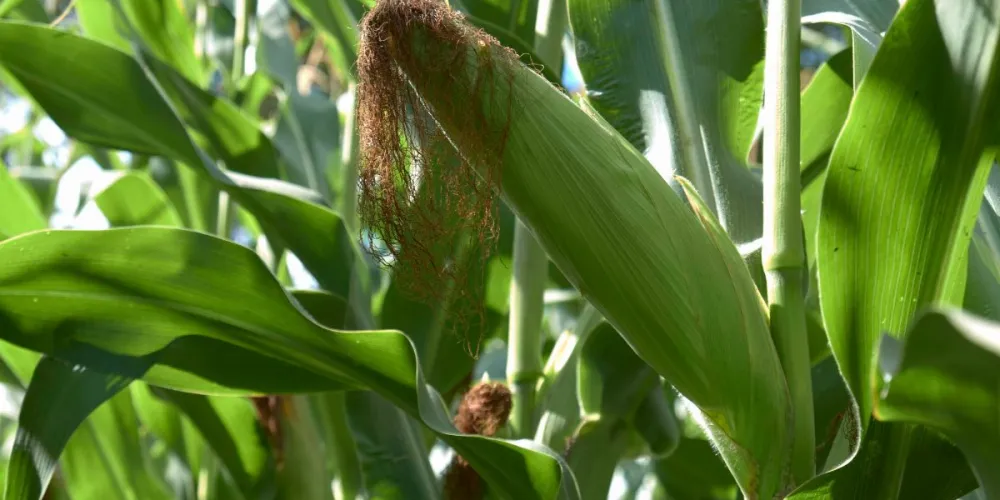
Depending on how much time corn needs for the cobs to fully mature, corn varieties are divided into ultra-early, early-maturing, mid-maturing, and late-maturing.
Unlike early-maturing varieties, late-maturing corn requires a longer growing season to reach physiological maturity - therefore, for its sowing, farmers must consider a number of agronomic, climatic, and production factors to ensure the crop has enough time to complete its development before the onset of unfavorable weather conditions.
Hybrid characteristics
Not all late-maturing corn varieties are equally productive - some hybrids may feature higher early growth activity, improved cold tolerance, or greater flexibility regarding sowing dates. Companies providing corn seeds for sowing generally provide information on maturity periods and agronomic recommendations that help agricultural producers choose suitable sowing times for specific hybrids.
Duration of the local growing season
Late-maturing corn varieties require more growing degree days to reach maturity than hybrids with shorter growing seasons. Farmers must analyze seasonal temperature trends to determine whether the crop will be able to complete its development before the first autumn frosts. Regions where frost-free periods last longer are generally better suited for growing late-maturing corn.
Soil temperature
Corn seeds need sufficient warmth for germination and early growth. In most production systems, the soil temperature should consistently reach approximately 10 °C or higher before sowing begins. Sowing in cold soil can lead to delayed emergence, uneven crops, reduced plant viability, and increased susceptibility to diseases.
Weather forecasts
Although long-term forecasts do not allow for predicting seasonal conditions with certainty, expected spring temperatures, precipitation patterns, and soil moisture levels can help in planning fieldwork. Excessive moisture can delay sowing due to poor field accessibility, while unusually dry conditions can affect seedbed quality and early crop rooting.
Soil moisture conditions
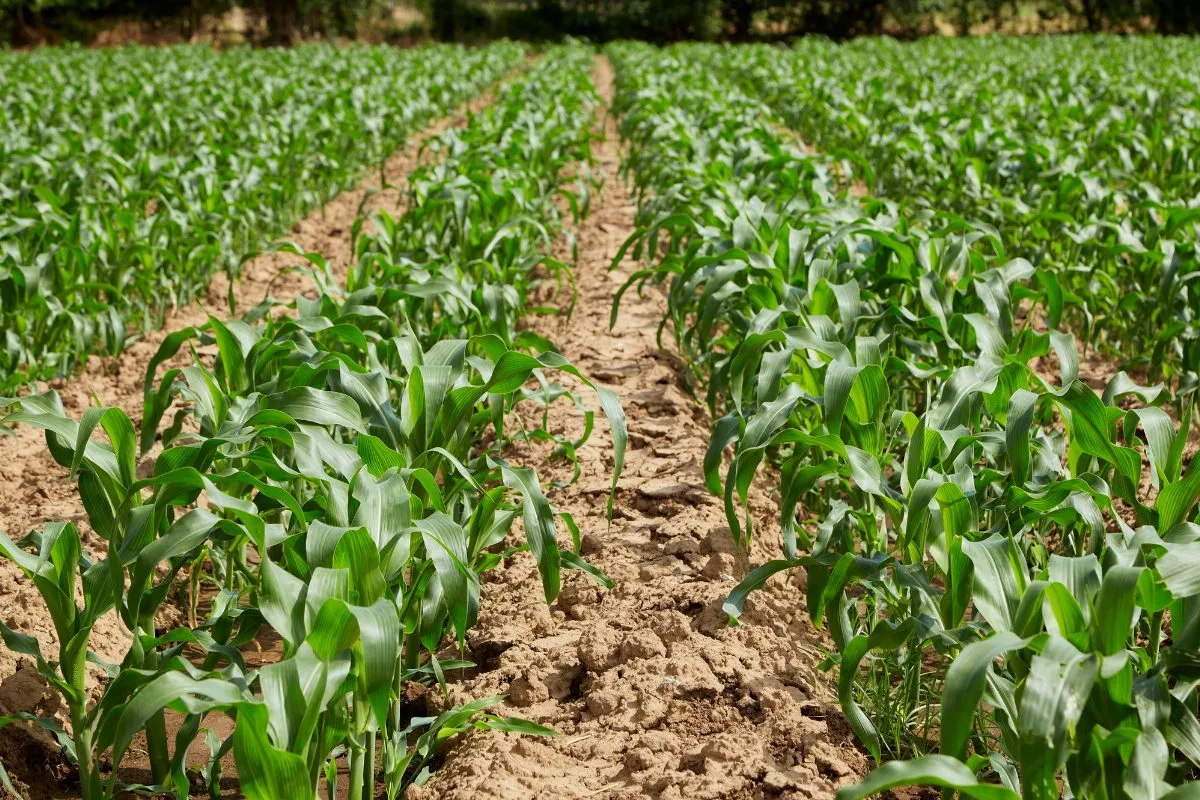
Sowing should be carried out when fields are dry enough to support the weight of machinery without soil compaction. Excessively wet soils can lead to poor root system development and reduced yield potential throughout the growing season. Farmers are often forced to find a balance between the desire for early sowing and the need to protect soil structure and maintain favorable conditions for plant growth.
Crop management
Large agricultural enterprises often sow several corn hybrids with different maturity classes. In many cases, late-maturing hybrids are sown first to maximize the growing season, while varieties with shorter growing seasons are sown later. Sowing priorities can also be influenced by the availability of machinery, labor resources, and crop rotation schedules.
Harvesting conditions
Earlier sowing of late-maturing corn can help ensure grain maturity before the onset of cooler autumn temperatures. This can reduce drying costs, improve grain quality, and contribute to more efficient harvest planning.
Editorial team agronom.info
Materials are prepared by the portal's agronomists and editors. We use only trusted sources: Ukrainian agricultural universities, variety registries, open scientific publications.
Related articles


Not yet comments. Be the first!
Comments