

Биоорганическое нано удобрение "НАГРО" / "NAGRO"
LLC NPO "BIOPLAN"
Fertilizers
43
25
·
11.2K
1 offer
365.08 €per pack
Buy
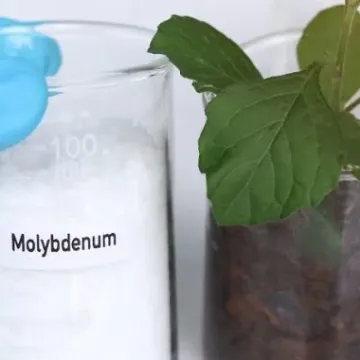
Molybdenum is an essential trace element required for fundamental physiological processes in plants. Its primary role is as a component of the nitrate reductase enzyme, which facilitates the conversion of nitrates into ammonia, a necessary step for protein synthesis.
This element is critical for nitrogen-fixing bacteria living in the root nodules of legumes. Without sufficient molybdenum, the symbiotic process that provides plants with nitrogen is severely hampered, directly limiting growth and yield.
Molybdenum also participates in the synthesis of vital compounds such as vitamin C and various nucleic acids. It ensures efficient metabolic activity at the cellular level, supporting the overall development of the plant structure.
The element acts as a catalyst in several oxidation-reduction reactions, contributing to the healthy distribution of nutrients and energy. It supports the effectiveness of other essential micronutrients within the plant system.
Proper molybdenum levels during the growth cycle improve the efficiency of photosynthesis. This leads to higher sugar accumulation in fruits and tubers, ultimately increasing both the nutritional value and market quality of the harvest.
Legumes, brassicas, and certain cereal crops are particularly susceptible to molybdenum deficiency. This is most common in acidic soils where the element is tightly bound to soil particles and unavailable to roots.
Symptoms of deficiency include interveinal chlorosis, where leaves appear pale green or yellow while the veins remain green. In severe cases, the margins of leaves can curl, turn necrotic, and die back prematurely.
Molybdenum toxicity is rare and typically occurs only on alkaline soils or due to gross over-application of fertilizers. It is generally less harmful to plants than most other micronutrient excesses.
Excess levels may cause stunted growth and yellowing, similar to symptoms of nitrogen deficiency or iron imbalance. It can sometimes interfere with the uptake of copper, causing a secondary nutrient deficiency.
Seed treatment is the most recommended method for molybdenum application. By coating the seeds, growers ensure that the nutrient is available immediately upon germination for early development.
Foliar application is highly effective during the active vegetative stage or just before flowering. This method bypasses soil-related availability issues and provides an immediate supply of the nutrient to the foliage.
Recommended rates typically range from 50 to 200 grams of active molybdenum per hectare. Specific application rates must be adjusted based on soil test results and the specific physiological needs of the crop.
Using chelated forms of molybdenum allows for higher bioavailability and better uptake by the plant tissues. This efficiency often allows for lower application rates compared to traditional inorganic salts.
Regular soil monitoring is necessary to avoid both waste and potential imbalances. On strongly acidic soils, liming should be performed alongside molybdenum application to maximize nutrient uptake.
Soil pH is the most critical limiting factor for molybdenum. In acidic conditions (pH below 5.5), molybdenum becomes locked in the soil, whereas higher pH levels generally increase its solubility and plant uptake.
Care should be taken when mixing molybdenum fertilizers in spray tanks. Mixing with highly acidic or basic products can lead to precipitation, reducing the efficacy and solubility of the mixture.
Crop sensitivity must guide fertilization strategies. Legumes generally have a much higher requirement for molybdenum than grasses or other crops, so rotation planning is essential for sustainable management.
Avoid excessive applications on porous sandy soils where leaching might occur. Frequent, smaller applications are often better for maintaining consistent nutrient levels than a single high-dose application.
Storage of molybdenum-based fertilizers requires a cool, dry environment to prevent degradation. Keeping containers sealed protects the product from moisture, ensuring it remains fully soluble and effective.


