
Cyclospora outbreak changes where Illinois shoppers buy lettuce
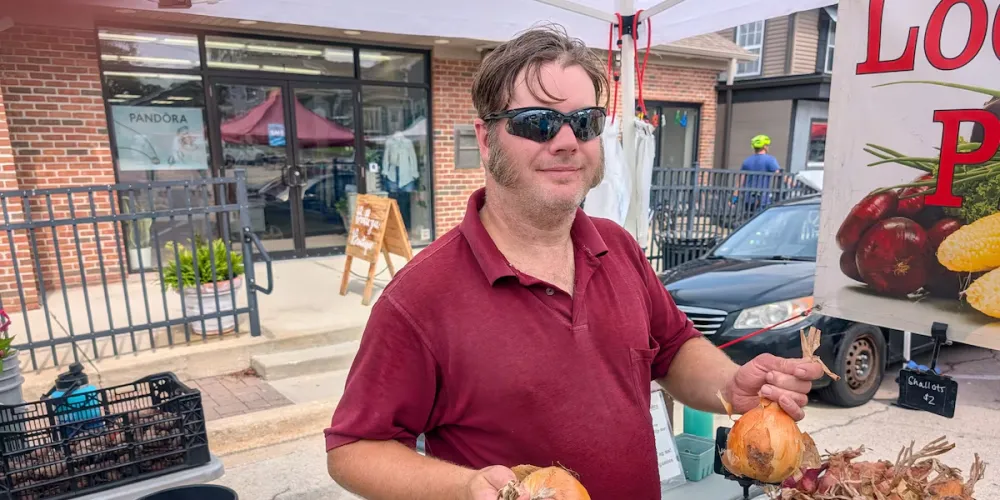
The Cyclospora outbreak has triggered significant shifts in the Illinois food market. Local farms, such as Big Rock Organics, have experienced unprecedented demand for lettuce and other fresh vegetables as consumers look to protect themselves by turning to local sources. Jonathan Lewis, co-owner of the farm, noted that demand for their produce surged immediately after reports linked the outbreak to iceberg lettuce.
As of August 17, 2026, the Illinois Department of Public Health reported 1,437 confirmed and probable cases of Cyclospora infection. Experts suggest the parasite often enters the food chain through contaminated irrigation water. Following these reports, Taylor Farms initiated a recall on July 17 for all iceberg lettuce sourced from central Mexico, which acted as a catalyst for changing consumer behavior across the state.
Local farmers emphasize that their advantage lies in the transparency of the growing process from seed to table. Lewis highlights that utilizing clean water from deep wells and minimizing storage and transportation time significantly reduces contamination risks. Nevertheless, public health officials warn that purchasing locally does not guarantee total safety and continue to urge consumers to maintain strict hygiene protocols when handling fresh produce.
To minimize the risk of cyclosporiasis, experts recommend thoroughly washing all fruits and vegetables under running water, even if they are pre-washed. For firm produce like cucumbers, the use of a clean brush is advised. Since the parasite can be difficult to remove through washing alone, cooking produce to an internal temperature of at least 158°F (70°C) is considered the most effective way to eliminate the parasite. Consumers are also encouraged to keep up to date with official product recall notices.
Beyond traditional farms, the surge in demand has also impacted modern, technology-driven operations like Living Roots Farm in Fox Lake. This facility utilizes aeroponic and hydroponic methods, which avoid the use of soil entirely. Such methods are proving attractive to consumers looking for the most hygienic alternatives during this outbreak. Despite the operational strain of meeting sudden demand, local Illinois growers are working to increase output to ensure the community has access to fresh and safe food options.
Not yet comments. Be the first!
Comments · 0