
US-Iran Trade War: Could Spanish Paella’s Saffron Supply Be at Risk?
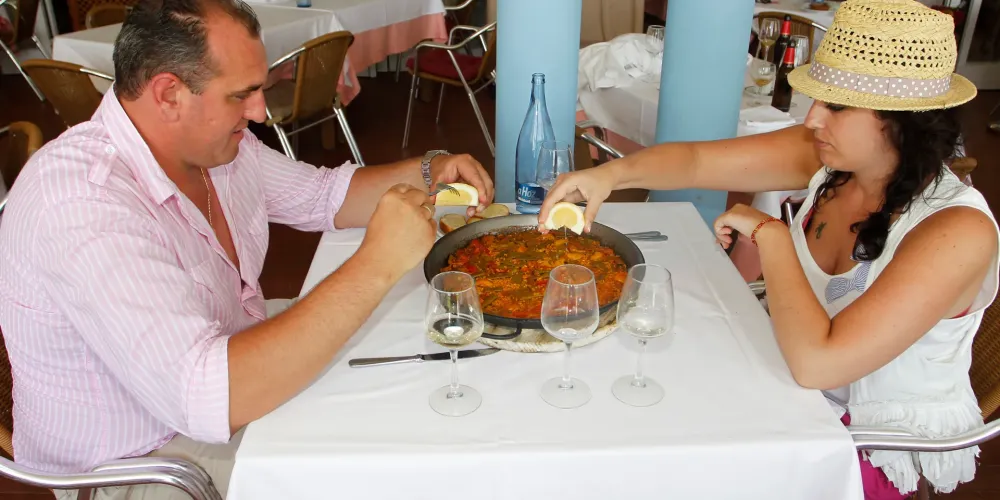
Spain, world-renowned for its signature dish, paella, is facing a potential supply chain crisis concerning one of its most essential ingredients: saffron. The spice provides the dish with its characteristic yellow hue and earthy aroma. While Spain’s own Castilla-La Mancha region produces a local harvest, the country relies heavily on imports from Iran. Under current geopolitical pressures, this dependency has become a point of significant concern for Spanish processors and exporters.
The situation escalated in late August 2026, when the United States announced an aggressive "economic onslaught" against Tehran’s global trading partners to restrict Iran’s financial capacity. This move has already led to targeted sanctions against financial institutions. Jose Luis Guerrero of CEAE, a Spanish firm exporting saffron since 1904, noted that the uncertainty regarding the extent of US actions is creating market volatility, particularly because Iran remains their primary source of the spice.
Maria Naranjo, director for agrifoods at ICEX, Spain’s state trade and investment body, highlighted that Spain serves as a vital gateway for Iranian saffron into the European Union. Two years ago, Spain accounted for approximately three-quarters of the EU's total imports of the spice from Iran. According to Naranjo, the potential disruption would not necessarily create a shortage for Spanish consumers, but it could severely impact companies engaged in importing, processing, packaging, and international distribution.
Economic data underscores the scale of this trade relationship. In 2025, bilateral trade between Spain and Iran reached approximately 245 million euros. Saffron imports accounted for 61 million dollars, representing more than 40 percent of all goods imported from Iran. Consequently, any interruption in trade flows could hit the specialized Spanish agribusiness sector hard, forcing companies to reconsider their procurement strategies.
Despite the economic alarms, the mood among local chefs in Valencia, the ancestral home of paella, remains defiant. They argue that the national pride associated with the dish is beyond political disruption. With domestic production in Castilla-La Mancha providing a buffer, experts suggest the cuisine is well-protected. As local chef Vicente Roja put it, no external force can touch the essence of Spain, and the culinary tradition of paella will remain a staple regardless of shifting international trade policies.
Not yet comments. Be the first!
Comments · 0