
How to Plant Dahlia Tubers in 5 Simple Steps
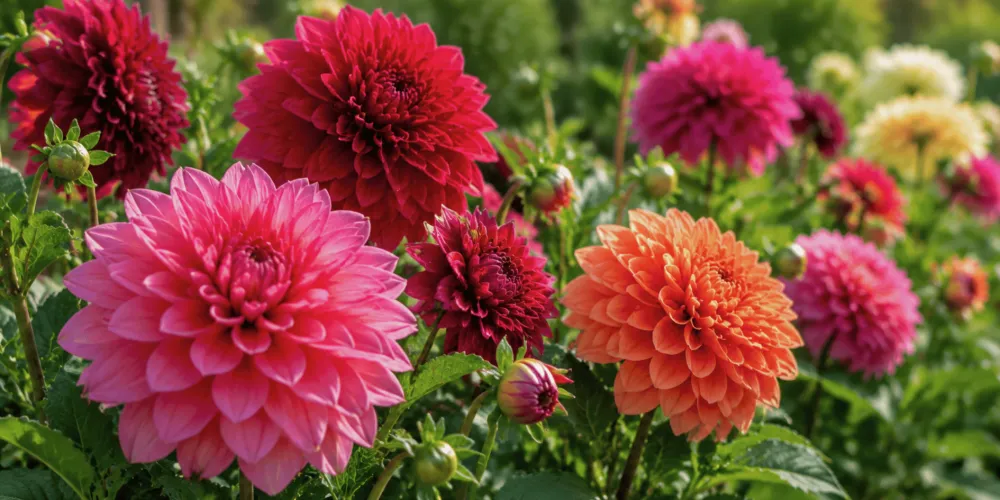
Planting dahlias is a process that requires both careful following of instructions and strategic planning. To achieve healthy, robust plants, gardeners must pay attention to every stage, from inspecting the planting material to choosing the appropriate site. Success starts with preparation: before planting, tubers must have a viable eye (the growing point), an intact neck, and a firm body. Without an eye, the tuber will not sprout, making a thorough inspection before beginning work a mandatory condition for success.
Timing for planting depends entirely on local climatic conditions. The golden rule is to wait until the danger of frost has passed completely, as even a single frost event can destroy a tuber entirely. Furthermore, it is essential to monitor soil temperature; it should consistently stay above 60°F (15°C). Using a soil thermometer helps avoid the risk of rot in cold ground. In regions with shorter growing seasons, it is recommended to start tubers indoors four to six weeks before the last expected frost date.
Selecting the right site is a critical factor for success. Dahlias require at least six hours of direct sunlight daily to facilitate proper bloom formation. The soil must be well-drained to prevent standing moisture, which is the leading cause of tuber rot. For gardens with heavy clay soil, raised beds offer an ideal solution. Additionally, consider wind protection, as tall dahlia stems are prone to breaking; it is best to place stakes at the time of planting to avoid disturbing roots later in the season.
Proper soil preparation involves enriching the ground with organic matter. Incorporating compost improves soil structure, making it looser and more nutrient-dense. The ideal pH level for dahlias ranges between 6.6 and 7.0. In sandy soils, organic amendments help with moisture retention, which ensures the plants have necessary hydration during drier periods throughout the growing season.
The planting process consists of five logical steps, starting with bed preparation. You must clear the area of weeds, rocks, and debris, followed by loosening the soil. Tubers should be planted at a depth of 4 to 6 inches: larger tubers sit closer to 6 inches, while smaller ones are fine at 4 inches. Maintaining adequate spacing between plants ensures proper airflow, which significantly lowers the risk of fungal disease and makes routine maintenance much easier throughout the peak growing months.
Not yet comments. Be the first!
Comments · 0