
How to Plant Sweet Potatoes for Better Growth?
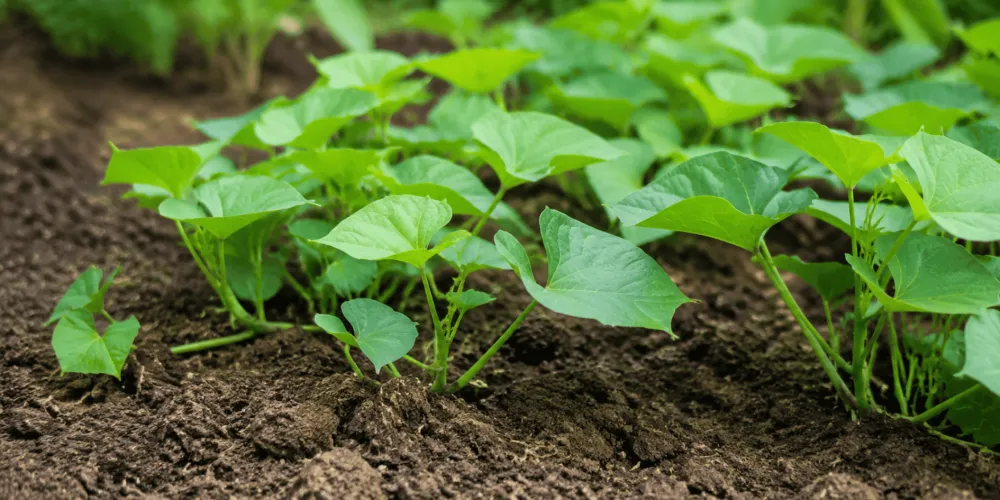
Sweet potatoes may seem like a simple crop, but successful cultivation requires strategic planning. The timing of planting, soil preparation, and environmental conditions significantly impact the development of vines and roots throughout the season. Agronomists note that while this crop becomes relatively easy to manage once established, the early stages set the foundation for the entire harvest.
The critical factor for success is temperature. Sweet potatoes are heat-loving plants that require a long frost-free season to mature. Planting slips outdoors should not occur until at least two to three weeks after the last spring frost, once the soil temperature has reached a minimum of 65°F (18°C). Most varieties need between 90 and 120 days to fully mature, making it essential to select early-maturing hybrids in regions with shorter summers to ensure harvesting before the cold returns.
You do not need extensive equipment for this project, but having your tools ready will save time. You will need healthy planting slips, loose soil with excellent drainage (sandy loam is ideal), high-phosphorus fertilizers to stimulate root development, and mulch (straw or plastic) for weed control. Using a soil thermometer is a recommended practice to ensure the ground is sufficiently warmed before transplanting.
The process begins by starting slips indoors approximately eight weeks before the planned outdoor planting date. Slips are separated from the parent tuber when they reach 5–6 inches in length and are placed in water to develop a robust root system. When transplanting into the ground, choose a sunny location and maintain spacing of 12–18 inches between plants to allow roots to expand freely in loose soil.
Care for the growing vines involves consistent irrigation and management of vine growth. Young plants require dependable moisture to establish, but as they mature, irrigation should shift to deep, less frequent watering to encourage root penetration. Avoid waterlogging the soil, as this increases the risk of root rot. Additionally, it is advisable to keep vines from re-rooting in the soil away from the main plant, which helps focus the plant's energy on developing marketable tubers.
Not yet comments. Be the first!
Comments · 0