
Japan’s “Phantom” Melon: Why This Premium Fruit Sells Out in 12 Hours
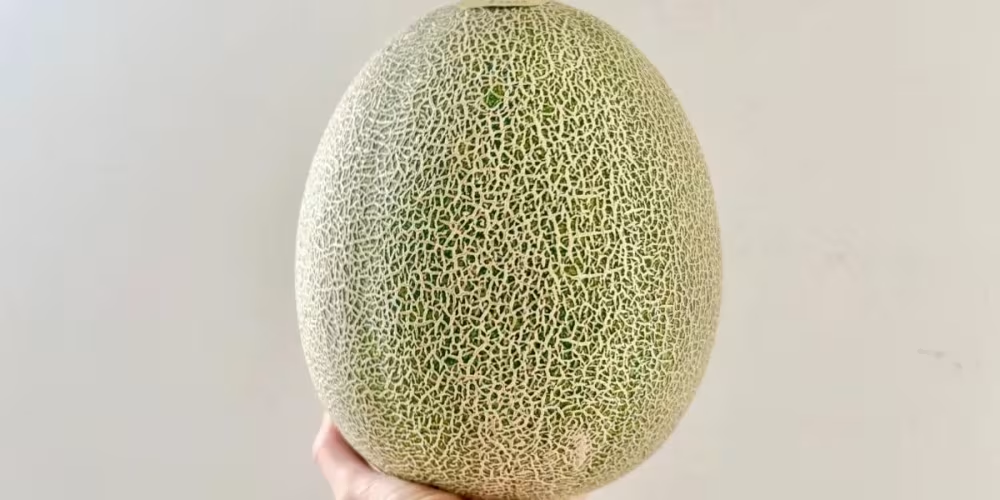
Japan’s melon season is typically marked by high demand for premium varieties, but one specific fruit stands out from the rest. The melon, grown by Yokoe Farm in Kusatsu City, Shiga Prefecture, is known as a “phantom” fruit because it is so rare and highly coveted that the entire annual harvest sells out in just 12 hours. This elite status is earned through specialized agricultural practices rather than mere branding.
A key factor in the farm’s success is its use of electrolyzed hydrogen water. By filtering tap water and passing it through an electrolyser, Yokoe Farm creates a mildly alkaline solution enriched with hydrogen. This process results in extraordinary quality: while the highest “Tokushu” (Special Selection) grade requires a sugar content of at least 14.6 degrees Brix, Yokoe Farm’s melons consistently hit 17–18 degrees Brix, with an average size reaching the 6L classification.
The fruit’s physical appearance also reflects its premium status, characterized by a perfect oval shape, a beautiful netted skin pattern, and a satisfying weight. Upon unboxing, the fruit emits a rich, sweet aroma. Experts at the farm advise against cutting into the melon immediately; instead, they recommend letting it ripen at room temperature for about a week to ensure the flavor profile is fully developed and perfectly balanced.
When sliced, the melon reveals a vibrant, juicy green flesh. Tasting it confirms its superior quality, with the flesh near the seeds offering a deep, robust sweetness that is often described as divine. Despite the high price tag, which starts at 4,500 yen (approximately US$30.50) plus shipping, the demand significantly outstrips the farm's annual supply.
The current year’s crop is already fully sold out. Yokoe Farm ships its melons only once they have reached the perfect peak of ripeness, between late June and early July, which means customers cannot select their own delivery dates. For those interested in securing this rare delicacy in the future, the farm suggests monitoring their official website or Instagram account for announcements regarding next year’s release, which typically begins around mid-to-late June.
Not yet comments. Be the first!
Comments · 0