
Floodplain harvesting dispute in Australia adds pressure on downstream farmers
Farmers in western New South Wales say licensed floodplain harvesting is altering natural water flows and leaving some properties short of pasture and stock water. The ABC report ties the conflict to storage expansion, weak metering coverage and long-running policy tensions in the Murray-Darling Basin.
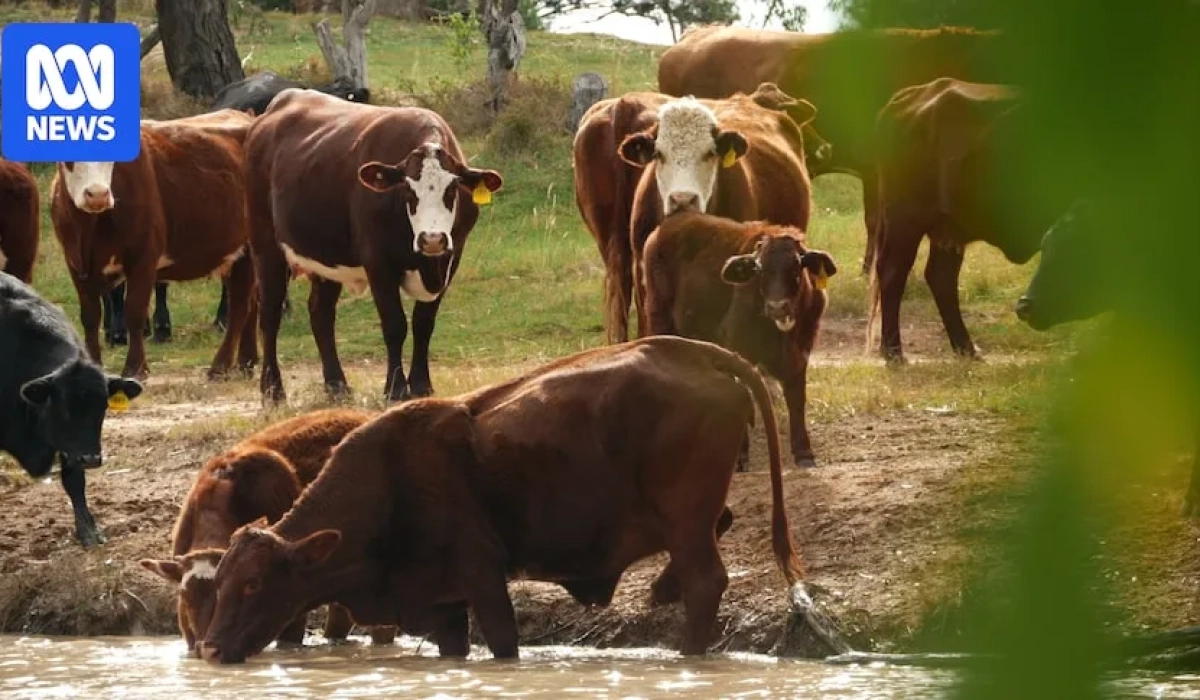
A long running argument over floodplain harvesting has intensified again in western New South Wales, where farmers say licensed capture of rain and floodwater is changing natural flows across the landscape. ABC reported from Trangie, where farmer Paul Cameron has been taking cattle to a public waterhole on the edge of town for more than a year because his own property no longer has enough water in its system.
Cameron says the problem is not a conventional drought. He argues that water which once moved onto his farm after rain is now being trapped in storages on a neighbouring property under a floodplain harvesting licence. In his view, the licensing system has effectively turned a natural flow problem into a permanent policy driven water shortage for dryland producers downstream.
The report explains that dryland farming depends on rainfall and broad river system movement, while irrigated operations such as cotton farms need much larger volumes held in dams and channels. Until 2000, this kind of water capture was occurring without formal legality, and from 2016 the New South Wales government began issuing floodplain harvesting licences across five of the seven northern Murray-Darling Basin water management zones.
Critics say the rollout has favoured larger storage development. NSW Farmers Association president Xavier Martin told ABC that members are seeing poor transparency and cases where very old or even unregistered dams were effectively legitimised through the licensing process. He said some storages expanded dramatically, citing an example of a dam moving from 3 megalitres to 3 gigalitres, while downstream users lost beneficial flows and in some cases had to cut cattle numbers sharply.
Oversight remains a central issue. The Natural Resources Access Regulator monitors compliance with satellites and meters, but the latest figures show incomplete coverage. In the Macquarie zone, where Cameron farms, 67 percent of storage is still unmetered. Barwon Darling sits at 71 percent unmetered, and the Namoi zone had not yet been inspected at the time of the report. Officials say the framework is still bedding down, but critics argue the enforcement culture remains too weak.
Rainwater exemptions add another layer to the dispute. Because regulators restrict discharge of water that may contain pesticides, rainfall captured in storages is treated differently, even though rain is often what fills those storages between rare flood events. Former Murray-Darling Basin Authority director Bill Johnson said this loophole makes it impossible to know how much water is really being taken. The conflict shows how water policy settings can reshape farm viability, livestock carrying capacity and confidence across rural districts.